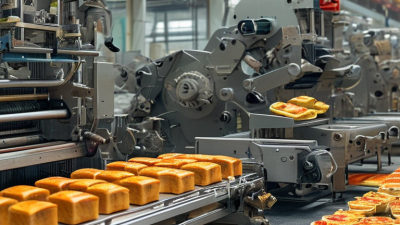
The Duravant family of operating companies serve the food processing, packaging and material handling segments.

Choosing packaging equipment systems starts with the product, the people who run the line, and the workday’s real constraints. Manufacturing quality expert W. Edwards Deming observed, “A bad system will beat a good person every time.” His point matters here: a fast filler cannot fix poor product flow, awkward changeovers, or unclear operator controls. Fit comes first.
Picture a bottle line where caps arrive unevenly and labels wrinkle at the applicator. Those small failures can slow every machine downstream. Before comparing equipment, document package sizes, target output, changeover frequency, available floor space, and cleaning needs. Then ask suppliers to demonstrate the proposed line using your actual containers and closures. Watch the handoffs. Check access to sensors, guards, and routine service points. Ask what happens when one machine stops. A system that runs well only under ideal conditions may not be the right system.
The best choice balances reliable throughput with flexibility, support, and a realistic budget. Request references from facilities with similar products and operating patterns. Review maintenance requirements and confirm which performance assumptions are written into the proposal. A spreadsheet helps, but it cannot show every awkward reach or jam-prone transfer. I would question any recommendation made without seeing the product and process. That takes time. Yet skipping that step can leave teams with equipment that looks impressive on paper and feels frustrating on the floor.
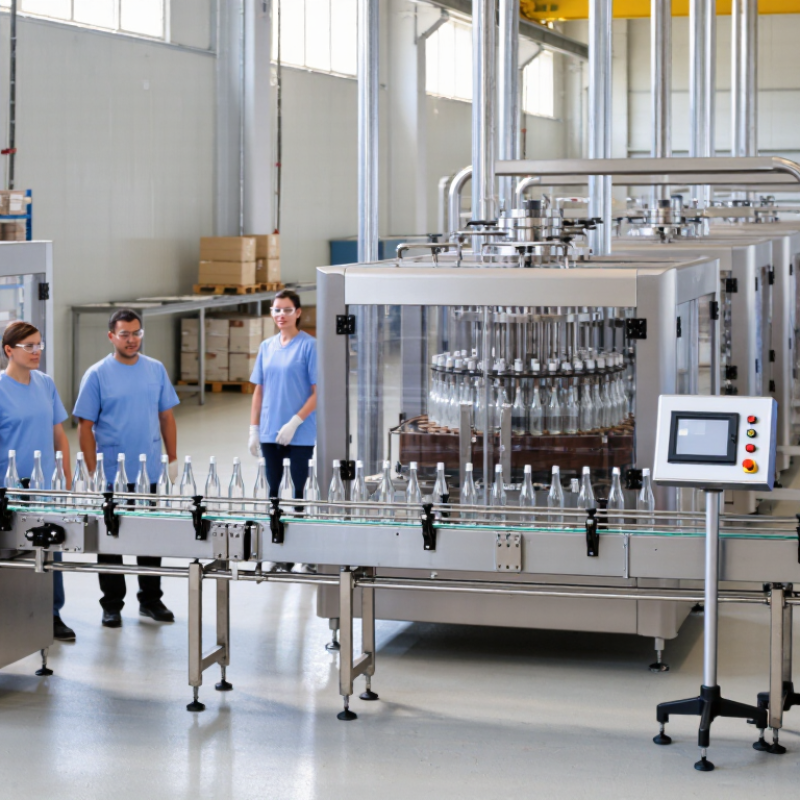
Before comparing packaging equipment systems, define what production must achieve. Estimate average and peak units per minute, not just today’s output. Include planned growth, shift length, staffing, and acceptable downtime. A line that suits one product may struggle with frequent changeovers. Be specific. Record each product’s dimensions, fill weight, container shape, closure, label, and packaging material. Note whether products arrive warm, dusty, fragile, or prone to spilling. These details affect feeding, filling, sealing, inspection, and conveying.
Tips: Collect production data across several shifts. Track jams, rejected packs, changeover time, and operator adjustments. Set measurable targets, such as maximum changeover time and acceptable reject rate. Keep product samples and package drawings ready. Small details matter.
Then match requirements to the work area. Measure floor space, ceiling height, utilities, washdown needs, and maintenance access. Check how the system handles the smallest and largest packages. Ask what happens after a sensor fault or material shortage. Where practical, request a trial with your actual products and packaging. Be cautious with headline speed figures; they may not reflect routine production. Some targets may conflict. Faster output can require more labor or tighter material tolerances. Initial estimates may be off, so revise them after a production trial.
Packaging equipment should fit the product’s behavior, not just its advertised speed. A free-flowing grain may suit a gravity filler, while sticky paste can cling to pipes and produce uneven portions. Fragile biscuits need gentle transfer; dense pieces may need wider chutes. Check particle size, temperature, and flow using real product samples. Small differences matter.
The package brings its own constraints. Film thickness affects forming and sealing, while a narrow bottle opening can limit filling speed. Match the machine’s contact parts and adjustment range to the product and container. Also consider how quickly operators can change formats and clean product-contact areas. A trial with actual packages often reveals issues a specification sheet misses. Even so, one successful test may not represent every shift or batch.
Tips: Bring several product batches and package samples to equipment trials. Watch for leaks, crushed pieces, residue, and awkward changeovers. Record settings and results; a neat demonstration can hide a fussy setup. Recheck performance at your expected production rate.
Match equipment to product and package characteristics
Typical throughput ranges vary with product size, package format, material, filling accuracy, and line configuration. Match the system to product fragility, flowability, and shape, then confirm package dimensions and required output with equipment specifications.
When choosing packaging equipment systems, compare their usable capacity, not just the maximum speed listed on a specification sheet. Estimate your normal hourly output, peak demand, and changeover frequency. A machine rated for 120 packs per minute may deliver less when operators reload film or clear minor jams. For example, record actual line output during a representative shift, including pauses and product changes. Leave some capacity for growth, but avoid paying for speed your upstream equipment cannot supply. Small details matter.
Automation can reduce repetitive handling, yet it also adds sensors, controls, and maintenance needs. Match the level of automation to staff skills and the cost of downtime. A simple automatic case sealer may suit steady production, while frequent package changes may call for adjustable guides and tool-free settings. Flexibility is practical when it covers real products: check pack-size ranges, material compatibility, and how long changeovers take. Ask suppliers to demonstrate these tasks using your product, then document the results. A tidy spreadsheet can miss awkward film rolls or cramped access around a conveyor. I would revisit the assumptions after a trial; the first estimate is rarely perfect.
| System type | Indicative capacity | Automation level | Flexibility | Typical changeover | Best suited for |
|---|---|---|---|---|---|
| Manual or bench-top | About 1–10 packages/min | Low; operators perform most loading, handling, and inspection | High for product variety and small batches | Usually quick; often requires few or no tooling changes | Start-ups, pilot runs, and low-volume production |
| Semi-automatic equipment | About 5–30 packages/min | Low to medium; the machine performs a process while operators feed or transfer products | Medium to high, depending on adjustment range and change parts | Typically requires manual adjustment or part replacement | Growing businesses and varied, moderate-volume production |
| Standalone automatic machine | About 20–120 packages/min | Medium to high; automated operation for a specific packaging step | Medium; supports a defined range of sizes or formats | Often uses recipes, adjustments, and format-specific parts | Established production with a consistent primary package format |
| Integrated packaging line | About 60–300 packages/min | High; multiple machines coordinate through line controls and product transfer | Medium; depends on compatible equipment, buffer capacity, and format parts | Can take longer because several machines and material feeds may need adjustment | High-volume operations seeking coordinated production and reduced manual handling |
| Modular or scalable line | Configured for the required rate; capacity can increase as modules are added | Medium to high; automation can be introduced in stages | High when modules and interfaces are designed for multiple products or future expansion | Varies by module; standardized recipes and quick-change tooling can reduce adjustment work | Businesses planning product launches, capacity growth, or phased investment |
Capacity figures are broad planning estimates, not guaranteed machine ratings. Actual throughput depends on product characteristics, package size and material, process requirements, operator input, and line configuration. Compare equipment using the same product, package format, and operating conditions.
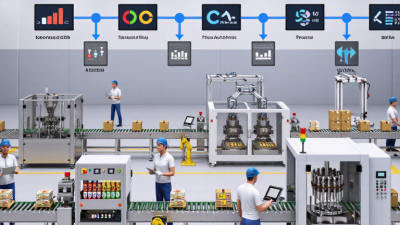
Packaging equipment should fit the production line, not merely meet its rated speed. Map each handoff: product infeed, filling, sealing, inspection, coding, and case packing. Check whether controls exchange clear signals and whether operators can reach changeover parts without awkward tool searches. Deloitte’s 2024 Smart Manufacturing and Operations Survey found that 86% of surveyed manufacturers viewed smart manufacturing as a key competitiveness driver over the next five years. That is a useful signal, not a guarantee: integration still depends on your line, data quality, and team skills. Test the connection with real products.
Compliance belongs in the design review. Confirm that equipment materials, guarding, cleaning access, records, and inspection functions match your product and operating requirements. Ask suppliers for documentation and sample records before purchase. Then calculate total cost of ownership across the expected service life: installation, training, utilities, spare parts, planned maintenance, changeover time, and lost output during stoppages. Compare those costs with usable throughput, not brochure speed. A low purchase price can hide expensive downtime. A spreadsheet can miss things, too—especially the minutes lost when an operator hunts for a tool or clears a recurring jam. Include those observations from the floor.
Before choosing a packaging equipment supplier, check how well its proposed system fits your products, line speed, and available floor space. Ask for references from customers with similar operating conditions, then verify details such as changeover time, service response, and parts availability. Request a written scope covering equipment, controls, safety features, and performance assumptions. A demonstration using your actual containers and materials can reveal jams or awkward adjustments that a brochure may not show. Ask for evidence.
Plan installation before the equipment arrives. Confirm doorway widths, floor loading, power, compressed air, network connections, and clearance for maintenance. Assign one person to coordinate the supplier, facilities team, and production staff. Agree on delivery access, installation dates, utility shutdowns, and who handles unexpected site changes. These details can feel tedious. They prevent avoidable delays. Keep a list of open questions; it may be imperfect, but it makes assumptions visible.
Training should include operators, maintenance technicians, and supervisors, not just the project lead. Have trainees practice loading materials, changing formats, clearing routine faults, and completing daily checks on the installed machine. Ask the supplier to provide readable procedures and a record of training. Before final acceptance, run representative products through the line and document speed, rejects, changeovers, and unresolved issues. Leave time for a second practice session; one demonstration rarely makes every operator confident.