

The Duravant family of operating companies serve the food processing, packaging and material handling segments.





What Are the Top Types of Packaging Automation in 2026?
Packaging automation in 2026 is not one machine at the end of a line. It is a connected set of decisions: how products are filled, sealed, inspected, labeled, packed, and palletized. The best choice depends on package size, product variation, labor availability, and changeover frequency. A fast cartoner may look impressive, but it can become a bottleneck when upstream filling slows.
The International Federation of Robotics’ World Robotics 2024 report counted 4.28 million industrial robots operating worldwide in 2023, a 10% increase from the previous year. That figure covers manufacturing broadly, not packaging alone, but it shows the scale of automation’s expansion. PMMI’s 2024 report, Automation in Food and Beverage, also examines how manufacturers are adopting automation amid workforce and integration challenges. These reports offer useful context, not a guarantee that every plant needs robotics.
For a packaging-industry perspective, IFR President Marina Bill said, “The number of industrial robots in operation around the world is at an all-time high.” The trend matters on real factory floors: a robot may load cartons while vision systems check seals, and a palletizer stacks cases for shipment. Small details count. In 2026, leading options will include robotic case packing, automated filling and sealing, labeling and inspection systems, and end-of-line palletizing. Yet automation is not a cure-all. Poorly chosen equipment can add complexity, and older lines may need careful integration. Sometimes a simpler upgrade is wiser. This outline explores the main types, their strengths, and the practical questions buyers should ask before investing in packaging automation.
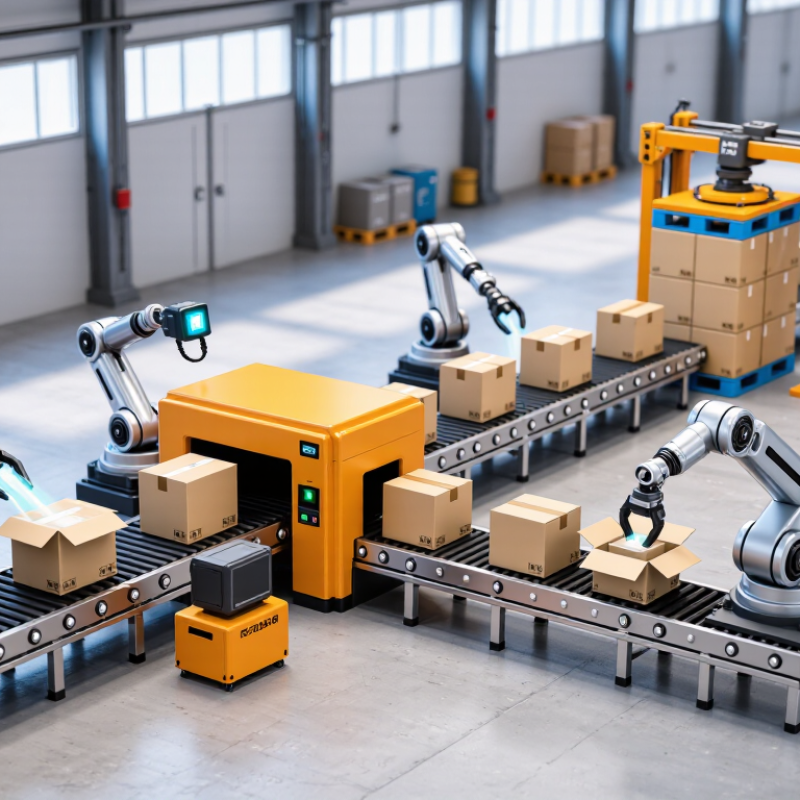
Table of Contents
[Hide]
What Packaging Automation Means in 2026
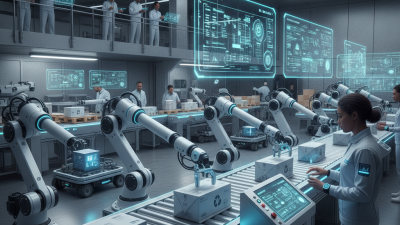
In 2026, packaging automation means more than a fast filling or sealing machine. It is the coordinated use of equipment, sensors, software, and people to move a product from preparation to palletizing. A line might weigh each pouch, reject an underfilled pack, print a batch code, and send production data to a shared dashboard. The aim is dependable flow, not simply fewer workers. Real lines still need people to clear jams and check unusual results.
The International Federation of Robotics reported 4,281,585 industrial robots in operation worldwide in 2023, up 10% from the previous year. This is a manufacturing-wide figure, not a packaging-only count, but it shows the scale of industrial automation around packaging operations. Deloitte’s 2024 Smart Manufacturing and Operations Survey also found that 92% of surveyed manufacturers viewed smart manufacturing as a driver of competitiveness over the next three years. The figures point toward connected systems, yet connection alone does not guarantee better output. A sensor can flag a drifting seal temperature; someone still needs to judge whether the product is safe to release. That gap matters. Automation in 2026 is best understood as a flexible, monitored process, with humans responsible for exceptions and continuous improvement. It is not magic. Teams may still discover that a simple changeover takes longer than the dashboard suggests.
What Are the Top Types of Packaging Automation in 2026? — What Packaging Automation Means in 2026
| Type | What It Automates | Common Equipment | Typical Applications | Practical Consideration |
|---|---|---|---|---|
| Filling and dosing | Measures and dispenses a product into containers or packages. | Volumetric, piston, gravimetric, or flow-meter filling systems; pumps and dosing controls. | Bottles, jars, pouches, cans, and trays containing liquids, pastes, powders, or granules. | Equipment selection depends on product characteristics, required fill accuracy, container type, and sanitation requirements. |
| Form-fill-seal (FFS) | Forms a package from rollstock, fills it, and seals it in a continuous or indexed process. | Vertical or horizontal FFS machines, film handling systems, fillers, and sealers. | Flexible bags, sachets, pouches, and pillow packs for food, household, and personal-care products. | Film properties, package format, product handling, and seal integrity affect machine setup and performance. |
| Cartoning and case packing | Forms or opens cartons and cases, loads products, and closes the package. | Cartoners, case erectors, robotic or mechanical loaders, and case sealers. | Consumer goods packed into cartons, or individual products grouped into shipping cases. | Product orientation, package dimensions, and changeover needs influence the level of automation required. |
| Labeling and coding | Applies labels and prints variable information such as dates, lot codes, or barcodes. | Pressure-sensitive labelers, print-and-apply systems, inkjet or laser coders, and barcode readers. | Bottles, cartons, cases, flexible packs, and shipping labels. | Print quality and code readability should be checked against packaging materials, line speed, and traceability requirements. |
| Inspection and verification | Checks products or packages for specified defects and confirms selected package details. | Machine-vision cameras, checkweighers, metal detectors, X-ray inspection systems, and code readers. | Product and package checks on production lines, including weight, presence, code, seal, or foreign-object checks. | Each inspection method detects different conditions; system choice should match the risks and product being inspected. |
| Palletizing and depalletizing | Stacks cases or other unit loads onto pallets and can also remove them from pallets. | Robotic palletizers, conventional layer palletizers, depalletizers, and pallet-handling conveyors. | End-of-line handling of cases, trays, bags, and other stable unit loads. | Load pattern, case strength, pallet type, and downstream handling affect stack stability and system design. |
| Robotic picking and packing | Moves, sorts, or places products into packaging using programmed robotic motion. | Industrial or collaborative robots, grippers, vision systems, and pick-and-place tooling. | Product loading, sorting, kitting, and handling items with varied shapes or positions. | Gripper design, product variability, cycle time, and the need for guarding or other safety measures are important factors. |
| Conveying and line integration | Transfers products and packages between machines and coordinates movement along a packaging line. | Belt, roller, or chain conveyors; accumulation systems; sensors; and programmable controllers. | Connecting filling, labeling, inspection, case packing, and palletizing operations. | Line balance, accumulation space, product spacing, and coordinated controls help prevent one machine from disrupting the line. |
| Packaging-line control and monitoring | Coordinates machine operation and provides information about line status, faults, and production activity. | Programmable logic controllers, human-machine interfaces, sensors, and manufacturing data systems. | Packaging lines that need coordinated starts and stops, fault visibility, or production monitoring. | Useful monitoring depends on reliable machine signals and clear procedures for responding to alarms and downtime. |
Related Posts
-
How to Find China Top Packaging Automation Suppliers?
-
2025 Top Trends in Packaging Automation Equipment: Efficiency & Innovation Insights
-
How to Choose the Right Packaging Equipment for Your Business Needs?
-
What is Packaging Automation and How Will It Evolve by 2026?
-
How to Choose the Best Food Packaging Equipment for Your Business?
-
2026 Top Types of Packaging Systems for Global Buyers