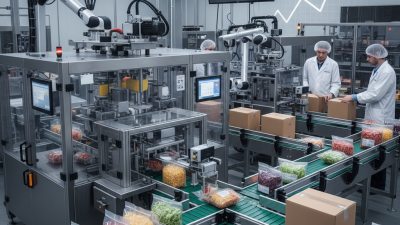
China Best Food Packaging Machine Solutions for Global Buyers?
As the global market for food packaging continues to expand, the demand for efficient and reliable food packaging machines is more critical than ever. China has emerged as a leader in producing high-quality food packaging machines that cater to a diverse range of industries. These machines not only enhance productivity but also ensure food safety and compliance with international standards.
Exploring the various solutions offered by Chinese manufacturers reveals innovative designs tailored for specific needs. The emphasis on technology and expertise allows them to provide customizable machines that suit different packaging requirements. However, potential buyers must navigate the vast landscape of options available, which can be overwhelming. It’s crucial to partner with reputable suppliers who prioritize quality and after-sales support.
In this complex market, buyers should critically evaluate their choices. Not all food packaging machines are created equal, and some may not deliver the promised efficiency or durability. The key is to research thoroughly, compare specifications, and seek advice from industry experts. By doing so, global buyers can make informed decisions that will enhance their packaging processes and ultimately contribute to their success in the competitive food industry.
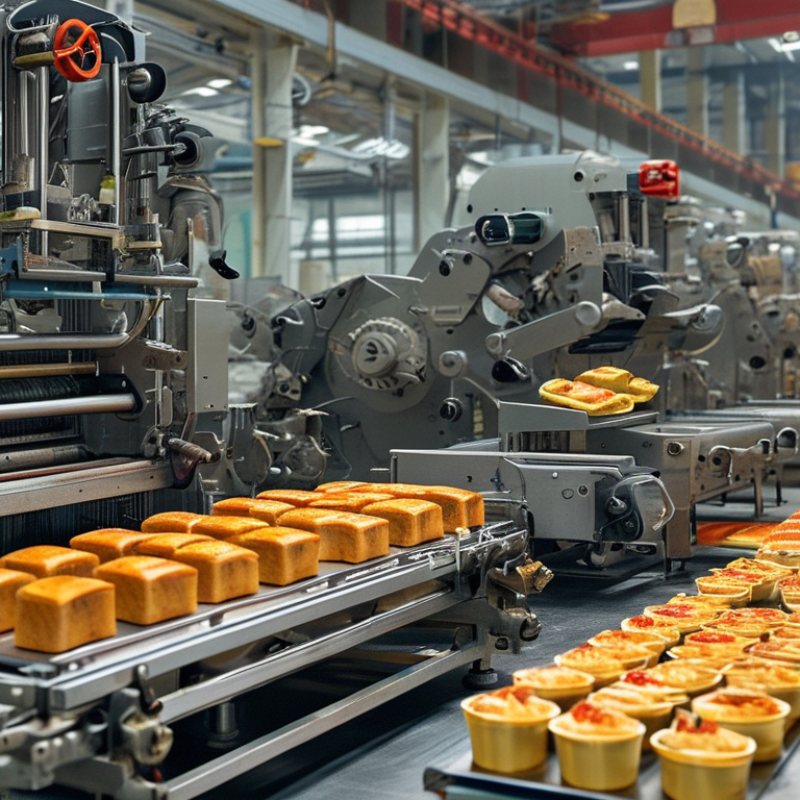
Overview of Food Packaging Machines in China
China's food packaging machine industry plays a vital role in the global market. Recent data indicates that the country's food packaging machinery exports reached over $3 billion in 2023. This figure reflects a steady growth rate of around 7% annually. The advanced technology utilized in these machines enhances efficiency and reduces operational costs for manufacturers worldwide.
The diversity of food packaging machines in China accommodates various sectors. For example, vacuum packaging, filling, and sealing machines are prevalent, catering to different food types. Studies show that 60% of food producers seek machines that ensure longer shelf life and better product safety. As global demands shift, many manufacturers are exploring automated solutions to optimize their production lines. However, some companies face challenges in adapting to new technologies and require ongoing support and expert guidance.
Moreover, while many machines meet international standards, discrepancies in quality can occur. Not all manufacturers possess the same expertise. Buyers should conduct thorough research to ensure they partner with reputable suppliers. Understanding the local market landscape and establishing clear communication can help mitigate risks. Investing time in these aspects can lead to successful outcomes.
Types of Food Packaging Machines Available in China
China offers a diverse range of food packaging machines tailored for global markets. These machines include vertical form-fill-seal machines, which efficiently package various products like snacks and grains. They operate by automatically filling and sealing bags with minimal human intervention. Then, there are horizontal flow wrappers that are ideal for solid items such as chocolate bars or bakery products. Their design ensures a tight seal, preserving freshness while enhancing product visibility.
Another category is the labeling machines, essential for compliance and branding. These machines apply labels precisely and quickly, allowing for high-speed production. Vacuum packaging machines are also notable, extending shelf life by removing air. They are crucial for meat, cheese, and more. However, users may encounter challenges like adjusting machine settings or dealing with maintenance, which requires ongoing attention.
While China leads in technology and innovation, one must remember that not all machines are made equal. Buyers need to assess the quality and suitability for their specific needs. Importing machinery also involves understanding local regulations, which can be complex. A well-informed approach is key to making the right choice. It is a journey of continuous learning and adjustment.
Types of Food Packaging Machines Available in China
Key Features of Chinese Food Packaging Machines
Chinese food packaging machines have gained global attention for their advanced features and reliability. Recent industry reports indicate that the food packaging market is projected to reach over $500 billion by 2027, with China playing a pivotal role. One key feature is automation. Automated machines enhance efficiency, reducing labor costs by up to 30%. This technology streamlines production processes and minimizes human error.
Another notable aspect is versatility. Chinese manufacturers design machines that accommodate various food types and packaging formats. This adaptability is crucial for businesses aiming to cater to diverse customer preferences. According to market studies, nearly 65% of food producers seek multipurpose equipment to meet varying demands. Furthermore, an emphasis on sustainability is evident in the latest models. Many machines now utilize eco-friendly materials and energy-efficient operations to minimize environmental impact.
Chinese packaging solutions also focus heavily on precision. The latest models include advanced sensors and control systems for accuracy in filling and sealing. However, some buyers express concerns about after-sales service and machine maintenance. Addressing these challenges could further solidify China’s position as a leader in food packaging technology. Investing in reliable support systems is essential for maintaining the effectiveness of these advanced machines in the long run.
Benefits of Importing Packaging Machines from China
When considering food packaging machines, importing from China offers significant advantages. One major benefit is cost efficiency. Chinese manufacturers often provide equipment at lower prices due to their advanced technology and competitive labor costs. This affordability allows global buyers to access high-quality machinery without straining their budgets.
Another key advantage is the variety of options available. Chinese companies specialize in various packaging solutions, from automated systems to semi-automatic machines. This broad selection means you can find the perfect fit for your specific needs. Customization is also common, allowing you to tailor machines to your production requirements.
It's important to conduct thorough research before making a purchase. Evaluate potential suppliers by checking their certifications and customer reviews. Understanding the warranty and service options they offer is crucial too. Not all manufacturers provide the same level of support. Establishing a good relationship with your supplier can lead to better assistance later.
Investing time in the selection process can dramatically affect your overall satisfaction and success with the machinery. Keep in mind that not every supplier will meet your expectations. Being mindful of these factors can help you make informed choices for your business.
Factors to Consider When Buying Food Packaging Machines in China
When considering food packaging machines in China, it's essential to evaluate multiple factors for informed decisions. One crucial aspect is the technology used in the machinery. Advanced equipment usually enhances efficiency and reduces waste, which can be a game-changer in production lines. According to recent industry data, companies that employ high-tech packaging solutions can improve production speed by up to 30%. This can lead to significant cost savings over the course of a project.
Another key factor is after-sales support. Reliable service and maintenance ensure that machines operate smoothly. A lack of support can result in costly downtimes. Research indicates that businesses with strong after-sales relationships retain nearly 90% of their customers. Furthermore, consider the machine's adaptability to various packaging materials. Flexibility is crucial as markets shift and consumer preferences change. Using versatile machines allows businesses to respond quickly, maintaining competitiveness.
Quality assurance practices are also important. Look for manufacturers that comply with international standards such as ISO certifications. It reflects their commitment to reliability and product safety. Trends show that companies with robust quality control see a 40% decrease in product returns. This not only builds trust but also solidifies market presence.