Top Automated Packaging Equipment in China for Your Business Needs?
The rise of automated packaging equipment in China has transformed the landscape of manufacturing and supply chains. According to recent industry reports, the market for automated packaging solutions is projected to grow at a CAGR of 12.5% through 2027. This surge reflects a growing demand for efficiency and accuracy across various sectors, including food and beverage, pharmaceuticals, and consumer goods.
China's advancements in technology have enabled businesses to adopt automated systems that not only streamline operations but also enhance product safety. Automated packaging equipment reduces human error, ensuring consistent packaging quality. However, companies must carefully consider their specific needs, as investing in such technologies can lead to significant upfront costs. Flexibility and adaptability in these systems are crucial to accommodate diverse product lines.
Despite the benefits, some businesses overlook the importance of training employees to operate and maintain automated packaging equipment. Neglecting this aspect can lead to underutilization of these systems. As companies navigate these challenges, understanding the balance between automation and human oversight is vital for long-term success. Choices made today will shape the efficiency of operations tomorrow.
Overview of Automated Packaging Equipment in China
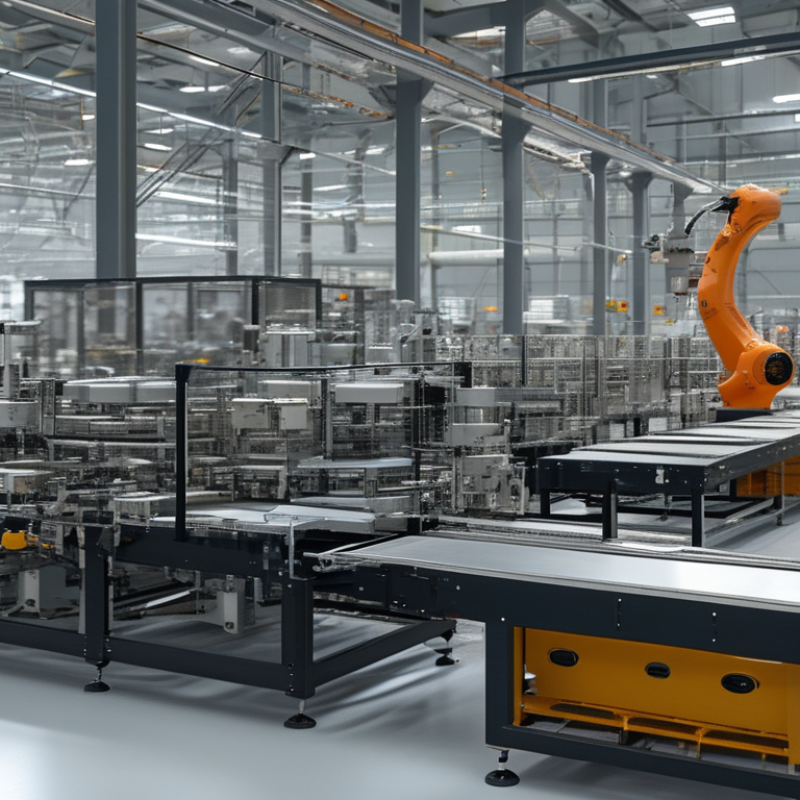
Automated packaging equipment in China plays a vital role in various industries. With the growing demand for efficiency and precision, these machines streamline packaging processes significantly. According to a recent industry report, the automated packaging market in China is expected to reach $8.3 billion by 2025, reflecting a compound annual growth rate (CAGR) of 7.2%. This growth is fueled by advancements in technology, enhancing productivity while reducing labor costs.
The range of automated packaging solutions includes packing machines, labeling systems, and filling equipment. These devices help to not only maintain consistency but also improve product shelf life. For example, vacuum packaging machines can extend shelf life by 3-5 times compared to traditional methods. However, companies face challenges in selecting the optimal equipment that fits their specific needs. Sometimes, the initial investment can be daunting, and compatibility with existing workflows is crucial.
Despite these hurdles, China's automated packaging sector continues to evolve. The integration of smart technology and data analytics offers promising potential. Industry experts emphasize the importance of ongoing research and development. Understanding these dynamics can help businesses make informed decisions. Balancing innovation with practical implementation is key to leveraging the full benefits of automated packaging solutions.
Top Automated Packaging Equipment in China for Your Business Needs
| Equipment Type |
Function |
Production Rate (units/hour) |
Energy Consumption (kW) |
Approx. Cost (USD) |
| Vertical Form Fill Seal |
Packaging dry products |
50-100 |
2.5 |
$10,000 - $15,000 |
| Horizontal Flow Wrapper |
Wraps products in plastic |
30-70 |
3.0 |
$15,000 - $20,000 |
| Shrink Wrapper |
Secures products in shrink film |
40-80 |
4.5 |
$12,000 - $18,000 |
| Carton Sealer |
Seals cartons for shipping |
60-120 |
1.5 |
$8,000 - $12,000 |
| Palletizer |
Stacks products onto pallets |
20-50 |
5.0 |
$20,000 - $30,000 |
Key Benefits of Investing in Automated Packaging Solutions
Investing in automated packaging solutions brings several advantages to businesses. A recent report from the Packaging Machinery Manufacturers Institute indicated that the global market for automated packaging is expected to grow at a CAGR of 7.7% from 2020 to 2025. This growth reflects increased efficiency and productivity that automation can offer.
One key benefit is cost reduction. Automated systems minimize labor costs and reduce material waste. For example, automated packaging can cut down errors by up to 20%, as reported in industry studies. Furthermore, automation allows businesses to scale operations without compromising on speed or quality. As consumer demand rises, flexibility in packaging operations becomes critical.
Consider integrating automated solutions gradually. Assess your current packaging processes to identify potential bottlenecks. Sometimes, partial automation can yield significant results. Analyze your needs to avoid overspending on unnecessary technology. Implementing effective change management can ease the transition. Automation also requires training staff to work alongside new systems effectively, which is vital for long-term success.
Top Manufacturers of Automated Packaging Equipment in China
China has emerged as a key player in automated packaging equipment manufacturing. Companies in this sector offer a wide range of solutions.
These solutions encompass everything from filling machines to labeling systems. Moreover, automation enhances efficiency and reduces labor costs.
However, navigating this industry can be challenging for newcomers. It's essential to identify the right partners for your specific needs.
The Chinese market features several notable manufacturers. Many focus on innovation and technology integration. Some specialize in high-speed packaging systems, catering to large-scale production.
Others emphasize flexibility and adaptability for various product types. When assessing manufacturers, consider their experience and customer feedback.
This can help you gauge their reliability. Quality standards are vital, and not all products meet international benchmarks.
While exploring options, be prepared for potential pitfalls. Some manufacturers may overpromise but underdeliver. Research is crucial.
It's wise to verify certifications and request product samples. Engage in conversations with industry peers for firsthand insights.
This approach will help you make informed decisions and avoid costly mistakes in your packaging operations.
Popular Types of Automated Packaging Machines and Their Uses
Automated packaging machines come in various types, each designed for specific functions. One common type is the filling machine, which is crucial for industries dealing with liquids, powders, or granules. These machines accurately dispense the right amount of product into containers, enhancing consistency and minimizing waste. Furthermore, they streamline the packing process, saving both time and labor costs.
Another popular type is the labeling machine. This equipment ensures that products are correctly labeled for branding and regulatory compliance. The machine applies labels to different surfaces, enhancing the visual appeal of products. However, businesses must choose the right labeling solution to address diverse packaging shapes and sizes. It's worth noting that while automation significantly boosts efficiency, it requires regular maintenance to prevent breakdowns.
Case packaging machines also play a vital role. They group products into cases, ready for shipping and distribution. This type of machine reduces manual labor and can adapt to various carton sizes. Often, businesses find that these machines can experience operational hiccups, especially when switching between product lines. It's essential to evaluate the flexibility and performance of the chosen equipment.
Top Automated Packaging Equipment in China for Your Business Needs
Factors to Consider When Choosing Packaging Equipment for Your Business
When selecting automated packaging equipment for your business, several factors deserve attention. Understanding your specific needs is crucial. Start by evaluating the volume of products you handle. Different machines offer varying speeds and capacities. Ensure that the chosen equipment aligns with your daily production requirements.
Material compatibility is another critical aspect. The equipment must handle the types of materials you use. This includes the various types of packaging, such as plastic, paper, or glass. Incompatibility may lead to inefficiencies or equipment damage. Consider the automation level that fits your facility. A fully automated line might not be necessary for smaller operations.
Pay attention to the equipment's size and footprint. It needs to fit within your production line without disrupting workflow. Maintenance and support services should also be assessed. Reliable customer service is important for troubleshooting and regular upkeep. It's advisable to reflect on your long-term goals. Your choice should be adaptable to future changes in production needs. Consider these elements carefully to enhance your packaging process.