The Duravant family of operating companies serve the food processing, packaging and material handling segments.

Choosing the best packer machine in 2026 starts with the product, not the brochure. A machine that neatly packs dry snacks may struggle with sticky foods, fragile parts, or changing bag sizes. The right choice should match product dimensions, packaging material, target speed, and the space available on your line. Small details matter. Watch how bags feed, seals form, and finished packs leave the conveyor.
Packaging researcher Dr. R. Andrew Hurley of Clemson University offers a useful systems-focused principle: evaluate the complete packaging operation, not the machine’s headline speed alone. That distinction can save buyers from an expensive mismatch. A fast unit may still create bottlenecks if changeovers take too long or operators need constant adjustments. Ask for a product trial using your own materials. Measure rejected packs, seal consistency, and cleaning time. Then check whether local service and spare parts are realistically available.
There is no universal winner. Not even close. A compact vertical packer may suit a small team with limited floor space, while a larger automated line may fit steady, high-volume production. The less glamorous questions deserve attention, too: Can staff clear a jam safely? Are settings easy to repeat? Will the machine handle next year’s product range? This guide compares practical options and trade-offs, so buyers can identify a packer machine that fits real production needs—not just impressive specifications.
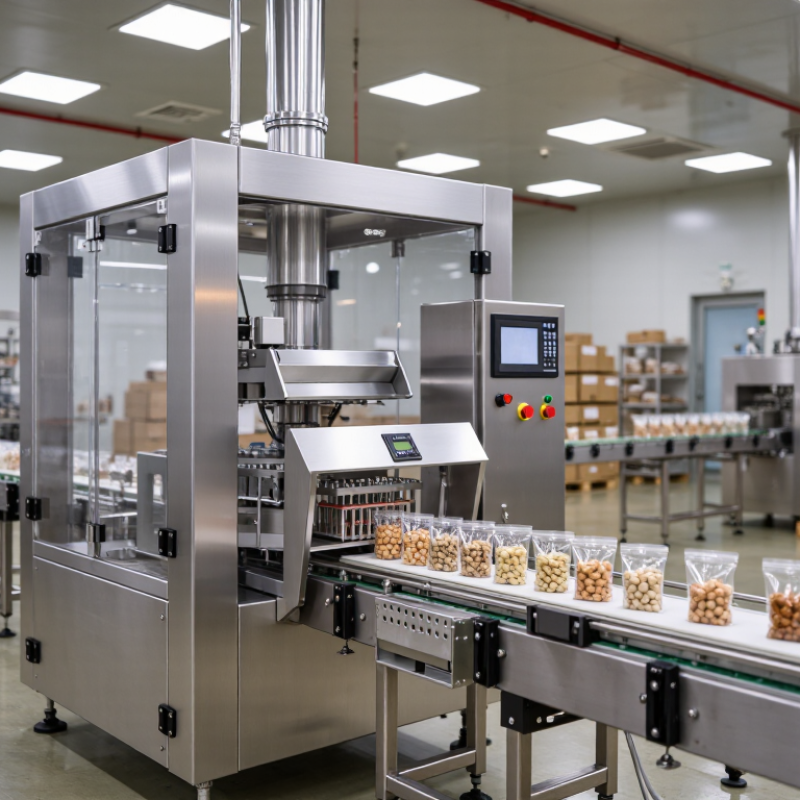
A packer machine prepares products for sale or shipment by placing them into suitable containers. Depending on its design, it may count items, fill bags or cartons, close cases, and apply labels. Some systems handle loose goods; others move bottles, trays, or preformed pouches along a conveyor. The aim is consistent packaging, not simply higher speed. Small details matter. A slight change in product size can affect feeding, alignment, and sealing.
Food plants may use packers to bag grains, seal snack pouches, or load jars into cartons. Beverage and personal-care facilities often pair filling equipment with bottle capping. Warehouses use case packers to group finished units before palletizing. Pharmaceutical and medical-product sites may require controlled handling, traceability, and checks suited to their processes. A machine’s role depends on product shape, fragility, output needs, and packaging material. Glass containers need different guides and protection than flexible pouches. Not every line needs automation. Changeovers, cleaning access, and rejected-pack detection can matter as much as rated speed. Jams still happen. Damp cartons or awkward product sizes can slow a shift, even when a machine’s specifications look impressive.
Packer machines range from compact baggers to automated case-loading systems. Vertical form-fill-seal machines form bags from film, then fill and seal them. They suit powders, snacks, and other free-flowing products. Horizontal systems wrap solid items, such as bars or trays. Pre-made pouch machines handle products that need a shaped package, but changeovers can take time.
Filling machines dose liquids, granules, or powders into containers. Auger fillers suit fine powders; piston fillers handle thicker liquids. Case packers group products into cartons, while robotic systems can manage changing case patterns. The International Federation of Robotics’ World Robotics 2024 report counted 4.28 million industrial robots operating worldwide in 2023, up 10% year over year. This is not a packer-specific figure, but it shows the scale of industrial automation supporting robotic packing.
Vacuum packers remove air before sealing, helping protect products sensitive to oxidation. A suitable machine depends on product flow, package format, target speed, and cleaning needs. PMMI’s 2024 State of the Industry report discusses labor and automation pressures in packaging operations. Buyers should also check changeover time, spare-part access, and operator training. Fast on paper is not always fast on the line. A small trial with real product can reveal jams, leaks, or awkward loading before installation.
Choosing a packer starts with the product and pack, not the machine’s advertised speed. Compare rated output with your real production mix, including product size, weight, and changeover frequency. Ask for a trial using your own materials. Watch for crushed corners, inconsistent seals, and jams—not just the best run. Check the details. Also compare footprint, operator access, cleaning time, and the availability of spare parts. A compact machine can still create awkward maintenance access.
Automation matters, but its value depends on reliable integration. The International Federation of Robotics’ World Robotics 2024 report recorded 541,302 industrial robots installed worldwide in 2023, with operational stock reaching 4.28 million. That figure is not specific to packers, but it reflects the wider move toward automated production. Compare control-system compatibility, safety features, and how easily the machine connects with upstream and downstream equipment. Request measured changeover time, sustained output, and downtime records under comparable conditions. Claims need context. A supplier’s ideal-speed figure may not match a mixed-shift factory. I would also ask operators to review the interface; a screen that looks simple in a demo may feel less clear during a rushed changeover.
| Machine Type | Best Suited For | Common Package Format | Typical Throughput | Changeover Considerations | Key Advantages | Points to Check Before Buying |
|---|---|---|---|---|---|---|
| Vertical Form-Fill-Seal (VFFS) | Free-flowing products such as grains, snacks, powders, and small pieces | Pillow bags, gusseted bags, and selected block-bottom bags formed from a film roll | Often around 30–120 bags per minute, depending on product, bag size, and dosing system | Film, forming tube, bag dimensions, and product-contact parts may need adjustment or replacement | Forms, fills, and seals packages in one compact, continuous process | Confirm dosing accuracy, film compatibility, dust or product spillage controls, and sealing performance |
| Horizontal Flow Wrapper (HFFS) | Discrete products such as bars, bakery items, soap, and multipacks | Three-side-sealed pillow packs made from a continuous film roll | Often around 30–200 packs per minute; product feeding and spacing can limit speed | Product dimensions, film width, sealing settings, and feeding arrangements affect changeover time | Well suited to regularly shaped items and high-volume, continuous wrapping | Check product infeed, package length range, seal quality, and whether the product is fragile or sticky |
| Premade Pouch Filling and Sealing Machine | Products needing stand-up, zipper, or specialty pouches, including liquids, powders, and snacks | Premade flat or stand-up pouches, with optional zipper or spout features | Often around 20–60 pouches per minute, depending on pouch design, filling method, and number of stations | Pouch dimensions and opening style must match the machine; format changes may require gripper or setting adjustments | Supports pouch styles and features that are difficult to produce on a basic roll-film system | Verify pouch material and dimensions, opening reliability, fill accuracy, and compatibility with zipper or spout options |
| Case Packer | Products already packed in primary packages that need grouping into shipping cases | Corrugated cases or trays, loaded by pick-and-place, drop loading, or robotic handling | Often around 5–30 cases per minute, depending on case pattern, product handling, and automation level | New product sizes or case patterns may require guides, tooling, recipe settings, or robot-program changes | Automates secondary packaging and can reduce manual case-loading work | Check case-size range, loading pattern flexibility, product orientation needs, and integration with upstream equipment |
| Carton Packer | Products requiring retail cartons, such as bottles, tubes, sachets, or small consumer goods | Folding cartons, including tuck-end or other compatible carton styles | Often around 10–60 cartons per minute, depending on carton design, product loading, and machine configuration | Carton dimensions, blank quality, and product-loading format influence setup and changeover | Creates a finished retail-ready package and can support product inserts or grouped items | Confirm carton-board specifications, blank feeding reliability, closure method, and required insert handling |
| Comparison note: Throughput figures are indicative ranges, not guaranteed ratings. Actual performance varies with product characteristics, package dimensions, materials, operator setup, and line integration. Compare machines using a production trial with your own product and packaging materials. | ||||||
What Is the Best Packer Machine in 2026?
How to Match a Packer Machine to Your Product and Production Needs
The best packer is the one that handles your actual product reliably, not the one with the highest advertised speed. PMMI’s 2023 State of the Industry report estimated U.S. packaging machinery shipments at $10.5 billion in 2022 and projected growth to $13.2 billion by 2027. That expansion reflects ongoing investment, but it does not mean every operation needs a faster line. Start with the product: free-flowing granules, sticky powders, and fragile pieces behave differently in a hopper and filling head.
Match the machine to the package, too. A vertical form-fill-seal system may suit loose products and compact floor plans; a premade-pouch filler may fit operations with several bag styles. Check target weight, seal quality, changeover time, cleaning access, and the space available around the line. Ask suppliers to run trials using your product and packaging film. Watch for dust, crushed pieces, inconsistent fills, and awkward operator steps. Small details matter.
Then compare the demonstrated output with your real production schedule, including breaks and changeovers. A machine that reaches its rated speed only under ideal conditions may disappoint on a busy shift. Request test results, maintenance requirements, and references from similar applications. I would not trust a perfect demonstration alone. Product variation can expose weak points later. And yes, a slower machine may be the better fit.
The best packer machine depends on the product, package, and working environment. A food producer filling fine flour may need an auger filler with dust control and easy-to-clean contact parts. For grains or snack pieces, a multihead weigher can handle varied shapes while helping maintain consistent portions. Liquids often call for piston or flow-meter filling, depending on thickness and target accuracy. Small details matter. A sticky product can cling to a hopper wall and slow the line.
Packaging format also shapes the choice. Vertical form-fill-seal equipment suits many bagged powders and granules, while premade-pouch systems can support products that need a stand-up display. In chemical or building-material operations, durable components and controlled dust are practical priorities. A machine should also fit the available floor space, operator skills, and cleaning routine—not just the desired speed. Fast is not always better.
Before selecting equipment, test it with the actual product and packaging materials. Observe fill accuracy, changeover time, seal quality, and how much product remains inside after a run. Ask operators to assess routine access and cleaning; their feedback can reveal awkward points that a specification sheet misses. There may be trade-offs. A setup that handles many package sizes can require slower changeovers, and no test perfectly predicts every production day.