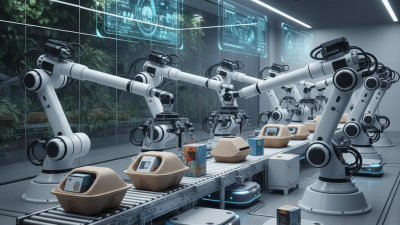
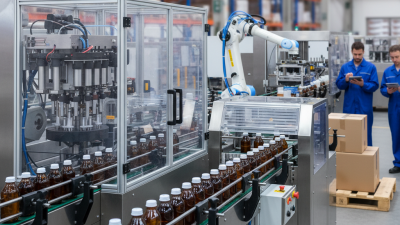
The Duravant family of operating companies serve the food processing, packaging and material handling segments.

Choosing the right packaging machine begins with the product, not the machine catalog. A fragile glass jar needs different handling from a powder, pouch, or frozen meal. Product shape, weight, moisture, temperature, and filling accuracy all influence the decision.
Walter Soroka, author of Fundamentals of Packaging Technology, defines packaging as “a coordinated system of preparing goods for transport, distribution, storage, retailing, and end use.” His observation remains valuable because a packaging machine must support the entire product journey. A fast machine may look impressive, yet it can create damaged seals, excessive waste, or difficult maintenance. Speed alone is not success.
Start with clear production facts. Record the required output per minute, package dimensions, material type, changeover frequency, and available floor space. Consider cleaning routines and operator access. A machine that runs well during a demonstration may perform differently beside dust, vibration, or uneven product flow. That possibility deserves attention.
The right choice should also match future plans. Will the product range expand? Will packaging materials change? Can the controls connect with existing production systems? These questions can prevent an expensive replacement later. Still, predictions are imperfect. A flexible machine may cost more today and remain unused tomorrow. A cheaper model may become a bottleneck within one year.
Ask suppliers for test runs using your actual product and packaging materials. Request data on reject rates, energy use, maintenance intervals, and spare-part availability. Inspect the machine closely. Listen to the operators. Their practical concerns may reveal more than a polished specification sheet.
How to Choose the Right Packaging Machine?
Understanding Packaging Machine Types and Their Applications
Choosing a packaging machine starts with the product, not the machine’s appearance. Powder, liquid, granules, and fragile goods each require different handling methods. Vertical form-fill-seal machines suit snacks, grains, and other free-flowing products. Horizontal machines often protect bars, trays, and irregular items with neat film wrapping. Premade pouch systems can improve presentation, but they usually need more accurate pouch feeding.
For bottles and jars, filling and capping machines are common choices. They support products such as beverages, sauces, cosmetics, and household liquids. A labeling machine may be added when containers need batch codes or clear instructions. Cartoning equipment works well for boxed products and can connect with weighing, sealing, or inspection units. Application matters. A machine designed for dry granules may struggle with sticky material.
Production speed is only one part of the decision. Check dose accuracy, sealing temperature, changeover time, cleaning access, and available floor space. A small producer may benefit from a flexible semi-automatic system. A high-volume facility may need synchronized automatic equipment and continuous quality checks. Ask for sample trials using the actual product and packaging film. Small details matter.
Do not ignore operator feedback. It often reveals problems that brochures miss. A machine can be technically suitable yet difficult to clean or adjust. I have seen specifications look convincing, while real material flow exposed unexpected waste. The right choice should balance output, safety, maintenance, training, and future product changes. A perfect machine match is rare. Careful testing is better than confident guessing.
Understanding packaging machine types and their applications helps match production speed, product format, and packaging material. The chart shows indicative operating throughput ranges commonly used in industrial packaging.
Actual output depends on product characteristics, package size, sealing method, automation level, and changeover requirements. Use these ranges as a planning reference rather than a guaranteed machine specification.
Choosing a packaging machine starts with the product, not the equipment catalog. Record its size, weight, shape, moisture, temperature, and surface behavior. A powder flows differently from a sticky paste. Fragile items may need gentle handling and controlled drop heights. Small details matter. Product tests should use real samples, not only laboratory substitutes. Packaging material also affects performance. Film thickness, seal temperature, pouch dimensions, and print registration must be checked together.
Production requirements need equal attention. Define the target output per minute, operating hours, changeover frequency, and available floor space. Include acceptable waste levels and the number of operators required. A machine running quickly during a trial may perform poorly during a full shift. Ask for evidence from similar product conditions. Request test records, maintenance schedules, safety documentation, and training plans. Reliable suppliers should explain limitations clearly, not promise perfect results.
Budget planning should include installation, utilities, spare parts, cleaning time, and future adjustments. An inexpensive machine may become costly if format changes require lengthy repairs. I have seen teams focus on speed and overlook access for cleaning. That mistake is easy to repeat. Leave room for uncertainty. Products change, materials vary, and operators need time to learn. A practical specification should describe both ideal performance and acceptable imperfections. Then machine selection becomes a controlled engineering decision, rather than a guess based on appearance.
How to Choose the Right Packaging Machine?
Comparing Machine Features, Speeds, and Compatibility
Choosing a packaging machine starts with the product, not the advertised speed. Powder, liquid, fragile items, and irregular shapes need different handling systems. During production trials, operators should test real materials under normal conditions. Sample packaging can reveal sticking, leakage, uneven filling, or seal damage.
Speed figures need careful interpretation. A machine rated at 100 packs per minute may run slower with heavier products. Changeovers, cleaning, film replacement, and minor stoppages also affect output. Ask for sustained production data, not only the maximum setting. Small delays matter. A ten-second adjustment repeated throughout the day can reduce actual capacity.
Features should support daily work. Servo-driven controls can improve accuracy, while tool-free adjustments may shorten changeovers. Sensors should detect missing products, open seals, or misplaced film. Compatibility is equally important. Check package dimensions, material thickness, filling temperature, electrical supply, and available floor space. Confirm whether the machine connects with existing conveyors and inspection equipment. A technically impressive machine may still be a poor fit. In one evaluation, the fastest option required frequent manual alignment, so its practical output was lower than expected. That mistake is easy to repeat when specifications receive more attention than workflow. Test several package sizes before approval, and ask operators to judge access, noise, cleaning, and fault recovery.
| Machine Type | Typical Applications | Typical Speed Range | Compatible Packaging Formats | Product Compatibility | Key Features | Automation Level | Recommended Production Scale | Important Selection Factors |
|---|---|---|---|---|---|---|---|---|
| Vertical Form-Fill-Seal Machine | Powders, granules, snacks, seeds, frozen foods, and small solid products | Approximately 20–100 bags per minute, depending on product, bag size, and filling system | Pillow bags, gusseted bags, block-bottom bags, and some stick packs | Best for free-flowing products; suitable for liquids or difficult products only with specialized dosing systems | Compact footprint, continuous film forming, integrated filling and sealing, quick film changeover | Automatic | Medium to high-volume production | Product flow characteristics, dosing accuracy, film width, seal type, and bag dimensions |
| Horizontal Form-Fill-Seal Machine | Bars, biscuits, bakery products, medical items, hardware, and individually wrapped products | Approximately 30–200 packs per minute, depending on pack length and product handling | Three-side-seal and fin-seal pillow packs | Best for products that can be conveyed and placed horizontally; works well with rigid or semi-rigid items | Good presentation, adjustable sealing jaws, product infeed options, and multi-lane configurations | Automatic | Medium to high-volume production | Product dimensions, infeed stability, film properties, sealing temperature, and required pack appearance |
| Premade Pouch Packing Machine | Stand-up pouches, flat pouches, spouted pouches, and resealable bags | Approximately 20–80 pouches per minute, depending on pouch size and machine configuration | Zipper pouches, spouted pouches, flat pouches, and specialty preformed bags | Suitable for powders, granules, liquids, sauces, and larger solid products with the correct filler | High-quality pouch appearance, zipper handling, optional gas flushing, and multiple filling stations | Automatic | Medium-volume production and products requiring premium packaging | Pouch material, pouch dimensions, opening method, product viscosity, and filling accuracy |
| Stick Pack Machine | Sugar, salt, instant beverages, pharmaceutical powders, nutritional products, and liquid shots | Approximately 30–300 sticks per minute, often using multiple lanes | Narrow three-side-seal stick packs | Suitable for free-flowing powders, liquids, granules, and selected viscous products | Multi-lane operation, precise dosing, low material usage, and convenient single-use format | Automatic | High-volume production of single-serve products | Number of lanes, product density, fill weight, viscosity, film width, and tear-open requirements |
| Sachet Packing Machine | Condiments, sauces, creams, powders, samples, wet wipes, and small-dose products | Approximately 30–250 sachets per minute, depending on the number of lanes and product type | Flat sachets, three-side-seal sachets, four-side-seal sachets, and shaped sachets | Can handle powders, liquids, pastes, granules, and some piece products with dedicated dosing equipment | Small package sizes, multi-lane production, tear notches, date coding, and easy portion control | Automatic | Medium to high-volume single-dose production | Product viscosity, target dose, sachet dimensions, seal integrity, and lane configuration |
| Auger Filler | Flour, spices, coffee, milk powder, chemical powders, and other dry powder products | Approximately 15–120 fills per minute, depending on product characteristics and dose size | Bags, pouches, jars, bottles, cans, and other containers | Best for powders and fine particulate products; less suitable for large or irregular solids | Volumetric screw dosing, adjustable fill volume, dust-control options, and good repeatability | Semi-automatic to automatic | Small to high-volume powder filling | Powder density, flowability, dust level, target weight, screw design, and container opening |
| Multihead Weigher | Snacks, confectionery, frozen foods, fresh produce, hardware, and mixed solid products | Approximately 30–120 weighments per minute, depending on product and number of weigh heads | Usually integrated with vertical bagging systems, trays, jars, or containers | Best for free-flowing, discrete, and non-sticky products with relatively consistent piece size | High weighing accuracy, combination calculation, gentle product handling, and recipe storage | Automatic | Medium to high-volume solid-product production | Product stickiness, fragility, piece size, target weight, hopper volume, and cleaning requirements |
| Liquid Filling Machine | Beverages, oils, detergents, cosmetics, sauces, and pharmaceutical liquids | Approximately 10–200 containers per minute, depending on filling method and container size | Bottles, jars, cans, tubes, pouches, and other liquid containers | Suitable for free-flowing liquids, viscous liquids, foamy products, and products containing small particles with the correct pump | Volumetric or mass filling, anti-drip nozzles, clean-in-place options, and adjustable filling volume | Semi-automatic to automatic | Small to high-volume liquid production | Viscosity, foaming behavior, temperature, hygienic design, container shape, and cleaning method |
| Cartoning Machine | Food cartons, pharmaceutical packages, cosmetics, household products, and retail multipacks | Approximately 30–300 cartons per minute, depending on carton style and product loading method | Horizontal or vertical cartons with tuck-in or glued closures | Suitable for products with stable dimensions that can be grouped and inserted consistently | Carton erection, product insertion, leaflet insertion, coding, and automatic closure | Semi-automatic to automatic | Medium to high-volume secondary packaging | Carton dimensions, product orientation, leaflet requirements, glue or tuck closure, and changeover time |
| Case Packer | Bottles, cans, cartons, bags, trays, and shrink-wrapped multipacks | Approximately 5–40 cases per minute, depending on case pattern and product size | Regular slotted cases, wraparound cases, trays, and other corrugated formats | Suitable for products that can be grouped into repeatable case patterns | Automatic product collation, case forming, loading, sealing, and pattern management | Semi-automatic to automatic | Medium to high-volume end-of-line packaging | Case dimensions, product stability, loading pattern, sealing method, floor space, and line integration |
| Labeling Machine | Bottles, jars, cans, cartons, bags, and specialty containers | Approximately 20–500 containers per minute, depending on label type and application accuracy | Wraparound, front-and-back, top, bottom, tamper-evident, and pressure-sensitive labels | Compatible with rigid or semi-rigid containers that can be positioned consistently | High-speed label dispensing, registration sensors, automatic adjustment, and print-and-apply integration | Semi-automatic to automatic | Low to high-volume labeling operations | Container geometry, label material, label roll size, application position, line speed, and sensor requirements |
Note: Speed ranges are typical planning references rather than guaranteed outputs. Actual performance depends on product characteristics, package dimensions, material properties, filling accuracy, operator skill, and the selected machine configuration.
How to Choose the Right Packaging Machine?
The purchase price rarely shows the full cost. Include tooling, utilities, training, spare parts, and changeover time. The U.S. Department of Energy reports that compressed-air leaks can waste 20% to 30% of compressor output. A poorly designed pneumatic system may quietly raise operating costs. Costs hide elsewhere. Request energy data under real production loads, not only showroom conditions.
Maintenance deserves practical testing. Ask operators to access belts, sensors, and sealing elements without unsafe shortcuts. McKinsey’s Maintenance 4.0 research indicates that predictive maintenance can reduce machine downtime by 30% to 50%. However, sensors do not replace skilled technicians. They create better warnings. Check local service capability, spare-part lead times, diagnostic access, and cleaning procedures. A machine that needs rare expertise may become expensive during a weekend failure.
Safety must guide automation decisions. ISO 12100 recommends systematic risk assessment and risk reduction during machine design. Verify guarding, emergency stops, interlocks, and safe restart behavior with qualified personnel. The International Federation of Robotics recorded 541,302 industrial robot installations worldwide in 2023, showing continued automation investment. Yet automation should match the task, product variation, and workforce skills. Over-automation can increase training demands and repair complexity. I would test a full changeover before signing. The brochure may be accurate, but the factory floor is less forgiving.
Choosing a packaging machine for long-term operations requires more than checking speed and purchase price. Grand View Research valued the global packaging machinery market at USD 52.83 billion in 2023. This growth reflects rising demand for flexible, reliable production systems. However, a fast machine can become expensive if changeovers are slow or spare parts are difficult to obtain.
Evaluate total ownership cost over five to ten years. Measure energy use, maintenance hours, film waste, and operator training needs. Ask for documented uptime from comparable production environments.
The machine should handle your current products and reasonable future changes. It should also support traceable performance data. Deloitte’s 2024 Smart Manufacturing survey reported that 86% of manufacturers expect smart manufacturing to improve competitiveness within five years. That makes remote monitoring and fault diagnostics practical investments, not decorative features.
Tips: Test real materials, not only sample films. Time a complete changeover. Check cleaning access around seals, sensors, and conveyors. Request local service response times and spare-part availability in writing. Confirm software support costs before signing. A useful test may expose weaknesses. That is valuable. In my experience, teams often overestimate speed and underestimate maintenance access. Leave space around the machine, even when the factory floor feels crowded. A few extra minutes during maintenance can prevent repeated production delays.