What is a Wrapping Machine and How Does It Work?
A wrapping machine is an essential tool in various industries, streamlining packaging processes. Designed to securely wrap products, these machines enhance efficiency and reduce labor costs. The technology behind a wrapping machine can vary, but its primary function remains consistent—protecting items and preparing them for shipping or storage.
In today's fast-paced market, businesses rely on wrapping machines to maintain product integrity during transit. They can handle different materials such as plastic, paper, and film, catering to a diverse range of products. A well-functioning wrapping machine can significantly minimize packaging time and waste. However, not all machines are created equal; the choice of a wrapping machine should be based on specific needs and operational requirements.
Choosing an appropriate wrapping machine is crucial. Investing in the right technology can lead to better productivity and reduced costs. Companies must also consider the training required for their staff. A poorly understood machine can lead to inefficiencies. As industries evolve, the need for reliable wrapping solutions only grows.
What is a Wrapping Machine?
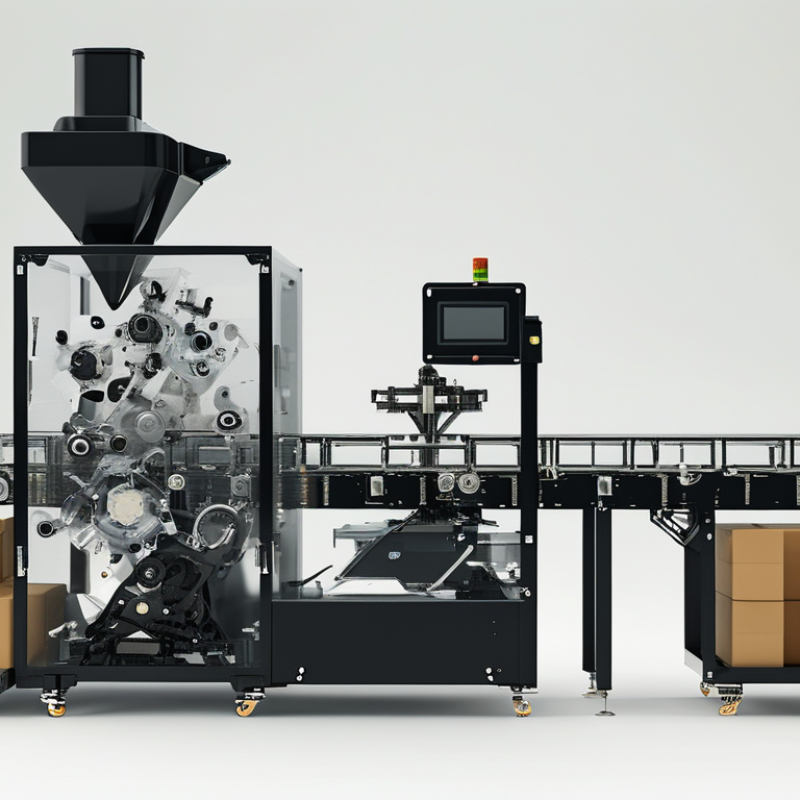
A wrapping machine is a device designed to apply protective materials around products. It serves various industries, including food, pharmaceuticals, and logistics. The machine can wrap items using stretch film, plastic, or paper, depending on the needs of the product. This automation enhances efficiency and reduces labor costs. Overall, wrapping machines improve product presentation and protection.
Different types of wrapping machines exist. Some employ horizontal wrapping, which is excellent for bulk items, while others use vertical wrapping for bags and boxes. An essential feature is the ability to adjust wrap tension and speed. However, not all wrapping machines are suited for every product. A mismatch can lead to damage or inefficient wrapping. Regular maintenance is crucial to ensure their reliability.
While wrapping machines offer many advantages, they aren't flawless. Occasionally, improper settings may cause defects in the wrap. Operators must remain vigilant and knowledgeable about the machine's operation. Understanding the workflow is essential to minimizing errors. Investing time in training can lead to better results and fewer issues over time.
Wrapping Machine Usage Statistics
Types of Wrapping Machines and Their Uses
Wrapping machines play a vital role in packaging. There are several types, each designed for specific applications. Automatic wrapping machines are prevalent in factories. They handle high volumes, reducing labor costs. These machines wrap products quickly and efficiently. They are perfect for bulk items like bottles or boxes.
Semi-automatic machines offer flexibility. They require manual operation for setting up the products. This kind of wrapping is common in small to medium-sized businesses. It allows operators to adjust for different product sizes easily. Shrink wrapping machines use heat to secure the plastic around items. This method enhances presentation and protects the product.
There are challenges with each type. Automatic machines may require extensive maintenance. Unexpected downtime can disrupt production schedules. Hand-wrapping can lead to inconsistencies. Workers may not achieve uniformity when wrapping by hand. Choosing the right machine is crucial. It depends on product type and packaging needs. Understanding these factors helps businesses make informed decisions.
What is a Wrapping Machine and How Does It Work? - Types of Wrapping Machines and Their Uses
| Type of Wrapping Machine |
Description |
Common Uses |
| Shrink Wrapping Machine |
Uses heat to shrink plastic film around products, providing a tight seal. |
Packaging food items, electronics, and retail products. |
| Flow Wrapping Machine |
Wraps products in a continuous flow with a film, sealing them on both ends. |
Wrapping snacks, confectionery, and consumer goods. |
| Stretch Wrapping Machine |
Uses elastic film to wrap around pallets or products, securing them tightly. |
Palletizing products for storage and shipment. |
| Carton Sealing Machine |
Seals the tops and bottoms of boxes with tape or adhesive. |
Shipping boxes, bulk packaging. |
| Vacuum Wrapping Machine |
Removes air from plastic bags to extend product shelf life. |
Food preservation, medical supplies packaging. |
Key Components of a Wrapping Machine
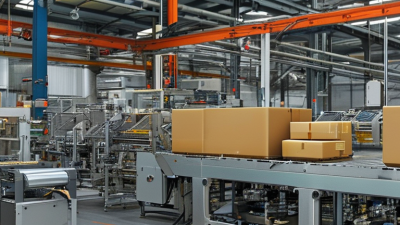
A wrapping machine is essential for efficient packaging in various industries. Understanding its key components can help improve your production line. The main parts include the conveyor system, wrapping mechanism, control panel, and cutting unit. Each plays a crucial role in the packaging process.
The conveyor system moves products through the machine. It ensures a smooth transition from one stage to the next. The wrapping mechanism typically uses film or paper, depending on the product type. The control panel allows operators to adjust settings such as speed and wrap tightness. Lastly, the cutting unit finishes the process by neatly slicing the wrapping material.
When using a wrapping machine, monitoring its components is vital. A small malfunction can lead to production delays. Ensure regular maintenance on all parts. This practice helps in prolonging the machine's life and efficiency. Consider documenting any anomalies during operation. It can provide insights for future improvements.
How a Wrapping Machine Operates Step by Step
A wrapping machine is designed to create secure packages. It automates the wrapping process, ensuring efficiency and consistency. Understanding its operation step by step can enhance productivity and reduce errors.
The machine begins its operation by feeding the product into the wrapping area. It often uses an adjustable conveyor belt to accommodate various sizes. Once the product is in place, the wrapping material is drawn from a roll. The material wraps around the product tightly, ensuring protection. After the product is covered, the machine seals the wrap using heat or adhesive. This sealing process can sometimes be problematic, leading to imperfect seals. Regular calibration of the equipment can address this.
If you want to optimize your wrapping machine's performance, it's crucial to maintain it regularly. Check for worn-out components that might affect its efficiency. Also, ensure proper alignment of the wrapping material to avoid skewed packages. A misalignment may lead to wasted materials and extra labor. Being attentive to these details can save time and reduce frustration.
Advantages of Using Wrapping Machines in Packaging
Wrapping machines are essential in modern packaging processes, offering numerous advantages that enhance efficiency and reduce costs. According to a report by the Packaging Machinery Manufacturers Institute (PMMI), around 45% of manufacturers leverage automated wrapping systems to streamline their operations. These machines not only save time but also minimize errors associated with manual wrapping.
Increased productivity is a critical benefit of using wrapping machines. Studies reveal that automated systems can wrap up to 200 packages per hour, a significant improvement compared to manual packing. This efficiency is especially vital during peak manufacturing periods. Furthermore, wrapping machines often result in decreased material waste, ensuring that products are securely packed while utilizing materials effectively.
However, the initial investment in wrapping machinery can be a hurdle for some businesses. It requires careful consideration of long-term benefits versus upfront costs. Companies must analyze their production needs and evaluate the return on investment. Transitioning to automated solutions may sometimes seem daunting, but the potential for improved consistency and quality in packaging is a compelling reason to consider these machines.