2026 Top Industrial Packaging Trends You Should Know?
In the evolving world of industrial packaging, staying ahead of trends is crucial for success. James Thornton, an industry expert, emphasizes, “Adaptability is key in the industrial packaging sector.” His insights reflect a growing need for innovation and sustainability.
The industrial packaging landscape is rapidly changing. With new materials and technologies, companies face both challenges and opportunities. For instance, companies are now focusing on sustainable options that reduce their carbon footprint. This focus aligns with consumer demands for eco-friendly practices. However, not all businesses have embraced these changes. Some still rely on traditional methods, risking obsolescence.
As we delve into the top trends of 2026, it’s vital to recognize the implications of these shifts. From automation to smart packaging solutions, the implications are profound. Yet, not every innovation suits every business model. Each company must assess its unique needs and adapt thoughtfully. Understanding these trends can help organizations thrive in an increasingly competitive environment.
Key Innovations in Sustainable Packaging Materials for 2026
The rise of sustainable packaging materials is reshaping the industrial packaging landscape in 2026. Recent data highlights that 63% of consumers prefer products with eco-friendly packaging. Packaging manufacturers are innovating to meet these demands. Biodegradable plastics and recycled materials are now mainstream. These materials reduce environmental impact significantly.
New technologies are enabling the creation of sustainable packaging solutions. For instance, innovations in plant-based materials are gaining traction. Reports suggest that these alternatives could reduce carbon footprints by up to 70%. However, adoption remains uneven across industries, with some sectors lagging in implementation. The transition poses challenges, particularly in performance and cost.
Additionally, the market for sustainable packaging is projected to exceed $400 billion by 2026. Companies are under pressure to rethink their packaging strategies. Notably, the inconsistency in material sourcing and recycling options creates confusion for consumers. Leading experts recommend improving transparency in packaging materials to foster trust. Balancing sustainability with functionality will remain a growing area of focus. The push for greener solutions is essential, but the journey is fraught with obstacles.
The Rise of Smart Packaging Technologies in Industrial Applications
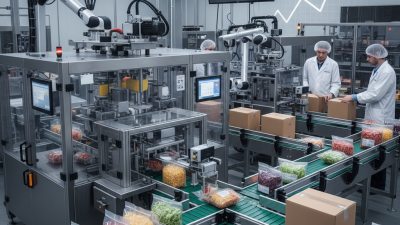
The packaging industry is rapidly evolving, driven by technological advancements. Smart packaging technologies are enhancing industrial applications across various sectors. These solutions utilize sensors, RFID tags, and data analytics to optimize the supply chain. According to a report by ResearchAndMarkets, the smart packaging market is expected to reach $40 billion by 2026, reflecting a compound annual growth rate (CAGR) of over 10%.
One significant trend is the use of IoT-enabled packaging. This innovation allows real-time monitoring of products during transportation. For example, sensors track temperature and humidity, ensuring optimal conditions for sensitive items. A report by Smithers Pira highlights that IoT features can reduce spoilage by 30%, which directly impacts operational efficiency. However, integrating these technologies poses challenges. There are concerns about data security and interoperability among devices.
Another noteworthy advancement is active packaging, designed to extend product shelf life. This includes oxygen scavengers and moisture absorbers. A study by the European Institute of Innovation and Technology states that active packaging can enhance freshness by up to 50%. Despite the benefits, the high cost of materials and production remains a barrier for many companies. As the market matures, stakeholders must find balance between innovation and affordability.
2026 Top Industrial Packaging Trends
Impact of E-commerce on Industrial Packaging Design Trends
The rise of e-commerce is greatly influencing industrial packaging design trends. As online shopping grows, packaging must adapt to ensure products arrive safely. This shift emphasizes durability and protection. Customers expect their purchases in perfect condition, which challenges manufacturers to innovate.
E-commerce also requires more efficient packaging. Products need to fit more snugly within boxes to reduce shipping costs. Using minimalistic designs helps streamline the process. However, this approach can sometimes lead to compromises on aesthetics. Finding the balance between functionality and visual appeal is essential.
Sustainability remains a crucial topic in industrial packaging. Consumers are increasingly aware of environmental impacts. Brands face pressure to use recyclable and biodegradable materials. While this pushes for innovation, it can also create challenges. Not all sustainable options provide the same level of protection. Companies must carefully consider the trade-offs when selecting materials. Addressing these complexities can lead to better strategies in packaging design for the e-commerce market.
A Focus on Supply Chain Efficiency and Packaging Optimization Techniques
In 2026, the industrial packaging sector continues to evolve, with a strong emphasis on supply chain efficiency. Companies are increasingly adopting automation. This not only speeds up operations but also reduces human error. Smart technologies are becoming essential. They enhance decision-making by providing real-time data insights. Efficient packaging design is vital for minimizing waste and optimizing costs.
Sustainability plays an important role in packaging optimization techniques. Many businesses are shifting towards recyclable materials. This helps create a circular economy. Streamlined packaging can reduce transportation costs significantly. However, companies must balance functionality with environmental impact. Transitioning to greener solutions often involves trial and error.
The need for better supply chain visibility cannot be ignored. Businesses are investing in advanced tracking systems. Transparent processes help in identifying inefficiencies. A focus on end-to-end supply chain integration is necessary. Even the best designs may face challenges during implementation. Continuous improvement is key to mastering packaging optimization. Companies should remain open to feedback and innovation.
Regulatory Changes and Their Influence on Industrial Packaging Standards
Regulatory changes are reshaping industrial packaging standards. New laws focus on sustainability, safety, and waste reduction. For instance, the European Union has set ambitious targets to cut plastic waste by 50% by 2025. This move forces companies to rethink their packaging strategies.
In 2022, nearly 75% of global companies reported adjusting their packaging to meet new regulations. Many turned to eco-friendly materials. These changes aim to reduce environmental impact while still ensuring product safety. Adhering to updated guidelines can lower liability risks and enhance brand reputation. However, navigating these regulations can be complex and requires thorough understanding.
Tips: Stay informed about regulatory updates. Join industry forums and subscribe to relevant newsletters. Consider investing in compliance training for your team to ensure your packaging meets the latest requirements. Remember, adapting to regulations is not just about compliance; it can be an opportunity for innovation.