Top Industrial Food Packaging Machines in China for Global Buyers?
The global demand for industrial food packaging machines is on the rise. According to a report by MarketsandMarkets, the food packaging market is projected to reach $500 billion by 2025. This growth is driven by increasing consumer preferences for convenience and longer shelf-life products. In China, companies are responding to this demand with innovative solutions.
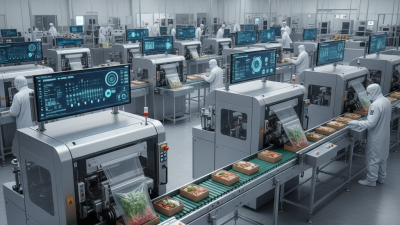
Chinese manufacturers are at the forefront of this industry. They offer a diverse range of food packaging machines tailored to various sectors. These machines feature advanced technology, enhancing efficiency and consistency in food processing. Despite the impressive progress, challenges exist. Many manufacturers face quality control issues, which can affect reliability. Understanding these complexities is essential for global buyers.
As the market evolves, industry players must prioritize sustainability. The push for eco-friendly packaging solutions is gaining traction. However, some manufacturers may not be fully equipped to meet these new standards. Addressing these aspects will be crucial for long-term success in the industrial food packaging machines sector.
Overview of Industrial Food Packaging Machines in China
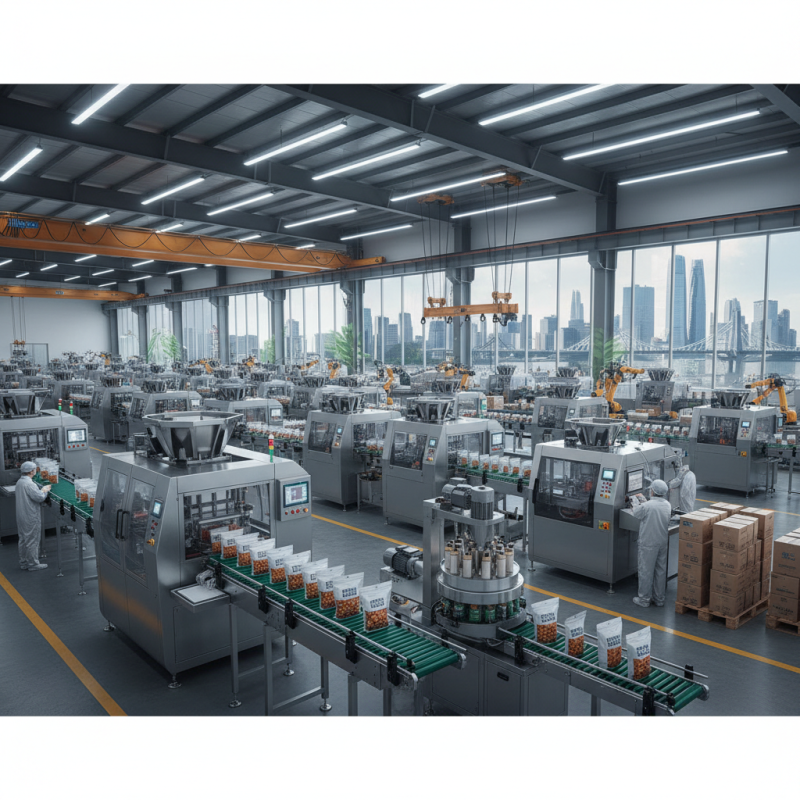
China has become a global hub for industrial food packaging machines. The country's manufacturing capabilities have significantly advanced in recent years. This progress is driven by an increasing demand for efficient and reliable packaging solutions. Buyers from various industries are seeking high-quality machines that meet international standards.
In the food sector, packaging machines play a critical role. They enhance shelf life and maintain product quality. Various types of machines are available, including vacuum sealers, filling machines, and labeling equipment. These machines can handle diverse food products, from liquids to solids. Furthermore, they help streamline production processes, resulting in cost savings.
Despite advancements, challenges remain. Some machines may lack user-friendliness, which can hinder productivity. Additionally, quality control may vary among manufacturers. Therefore, global buyers must perform due diligence when selecting suppliers. A thorough evaluation of a manufacturer’s capacity and reliability is essential for making informed decisions.
Key Features of Leading Food Packaging Machines
When it comes to food packaging machines, several key features stand out. Quality and efficiency are paramount. Many machines offer high-speed operations, significantly reducing production time. They are designed to maintain product integrity while ensuring a tight seal. This is crucial for freshness and shelf life. Features like adjustable settings allow for various product sizes and packaging types. Flexibility is a game changer for factories that handle multiple products.
Another vital aspect is user-friendliness. Simple interfaces aid operators in managing the machines seamlessly. Many models come with advanced technology, enabling remote monitoring. This feature helps detect issues before they escalate. However, the learning curve for new operators can be steep. Training is essential to fully utilize the machinery's capabilities.
Sustainability is becoming increasingly relevant. Many machines now support eco-friendly materials. The push for biodegradable packaging influences purchasing decisions. Even so, the transition can be costly and complex. Companies must assess their current processes before switching to sustainable options. Balancing innovation with practicality remains a challenge in the industry.
Top Industrial Food Packaging Machines in China for Global Buyers
| Machine Type |
Key Features |
Production Speed (units/hour) |
Power Consumption (kW) |
Price Range (USD) |
| Vertical Form Fill Seal Machine |
Automatic feeding, precise filling, adjustable sealing width |
30-120 |
2.5 |
$10,000 - $25,000 |
| Heat Shrink Wrapping Machine |
High-speed operation, adjustable tunnel temperature, easy maintenance |
40-100 |
4.0 |
$8,000 - $15,000 |
| Pillow Packaging Machine |
Compact design, durable structure, user-friendly interface |
50-150 |
2.0 |
$15,000 - $30,000 |
| Multi-Head Weighing Packaging Machine |
High accuracy, customizable settings, touch screen control |
25-80 |
3.5 |
$20,000 - $40,000 |
| Automatic Cartoning Machine |
Versatile applications, cardboard forming, sealing options |
20-60 |
5.5 |
$30,000 - $50,000 |
Top Manufacturers of Food Packaging Equipment in China
China stands as a global leader in the food packaging machinery industry. Recent data from industry reports show that the market is expected to surpass $5 billion by 2023. This growth is driven by increasing demand for packaged food, fueled by urbanization and changing lifestyles.
Key manufacturers in China are continuously innovating in the field of food packaging equipment. Their focus on automation and sustainability is noteworthy. Advanced technologies, such as smart production lines and eco-friendly materials, are being adopted widely. These enhancements improve efficiency and reduce waste drastically. However, the challenge remains that not all manufacturers meet international standards. This inconsistency affects buyer confidence and overall market reliability.
Furthermore, quality assurance processes vary significantly across different manufacturers. While some maintain rigorous quality checks, others may overlook these vital steps. This disparity can lead to variability in machinery performance. Buyers are advised to conduct thorough due diligence before making purchases. Engaging with suppliers who have proven track records can mitigate risks and enhance overall satisfaction. This sector continues to evolve, reflecting both opportunities and challenges for global stakeholders.
Comparison of Automation Levels in Packaging Machinery
In the competitive landscape of food packaging, automation plays a crucial role. Automation levels vary significantly across different machinery types in China. Some machines offer basic automation, requiring significant human intervention. Others are highly advanced, enabling seamless operations with minimal human oversight. This disparity can impact production efficiency and consistency.
Maximizing automation can lead to higher productivity. Machines with integrated sensors and AI capabilities enable real-time monitoring. This technology allows for immediate adjustments based on production needs. Yet, not all manufacturers invest equally in such technologies. While some prioritize automation, others lag behind, reflecting different business strategies.
Choosing the right level of automation depends on multiple factors, including production scale and product type. A more automated line may involve higher initial costs but could save money in the long run. Businesses must weigh these considerations carefully. Ensuring the correct balance is essential for optimizing operational costs and maintaining quality standards.
Top Industrial Food Packaging Machines - Automation Levels Comparison
Trends in Food Packaging Technology and Innovations
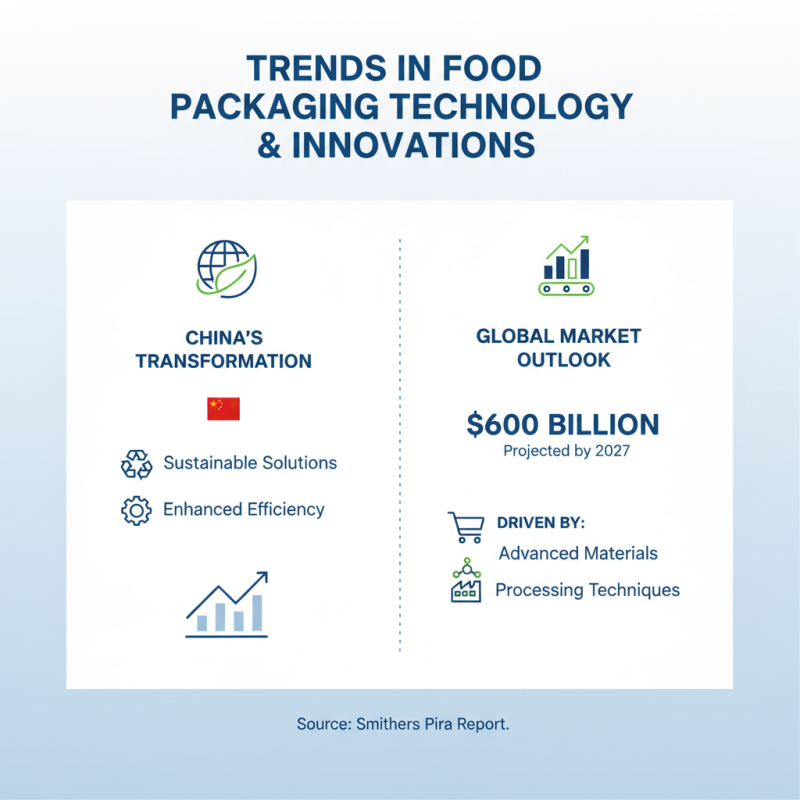
The food packaging sector in China is witnessing significant transformations. Innovations in technology enhance sustainability and efficiency. According to a recent report by Smithers Pira, the global food packaging market is projected to reach $600 billion by 2027, driven largely by advancements in materials and processing techniques.
Recyclable materials are at the forefront of these changes. Companies are exploring biodegradable films and smart packaging solutions. For example, self-heating and cool-to-touch packages emerge as consumer favorites. However, the adoption of these technologies can be slow. Many manufacturers are still cautious about the costs and feasibility of implementation.
Furthermore, automation plays a crucial role in modern food packaging. Automated machines improve speed and reduce human error. Research suggests that fully automated packaging lines can increase production rates by up to 30%. Yet, integrating new systems requires significant investment. The challenge lies in balancing innovation with cost-effectiveness while ensuring product safety.