The Duravant family of operating companies serve the food processing, packaging and material handling segments.

A packer machine turns a product and its packaging into a repeatable, controlled process. It may fill bottles, wrap bars, seal pouches, or place cartons into cases. The right choice depends on the product, package, output target, and available floor space. A small bakery may need a compact flow wrapper. A beverage line may rely on filling and capping equipment linked to conveyors. Different jobs require different machines.
Packaging machinery consultant John Henry, co-author of Packaging Machinery Handbook, is a relevant industry expert. The guiding line below is an editorial paraphrase, not a verified verbatim quotation: “Choose a packer machine to suit the product and the line, not the sales brochure.” That distinction matters. A machine rated for high speed may still struggle with fragile items, dusty products, or frequent package changes. Operators can see the mismatch in crushed corners, uneven seals, or repeated stops.
This guide explains what a packer machine does and how common types differ. It will cover filling, wrapping, pouching, cartoning, and case packing, with attention to typical uses and trade-offs. Some equipment handles one format exceptionally well. Other systems offer more flexibility but require careful setup. There is no universal winner. Even a well-chosen machine can disappoint when feeding, changeover, or maintenance needs are overlooked. A close look at those details makes comparison more useful—and a little less tidy than a brochure suggests.
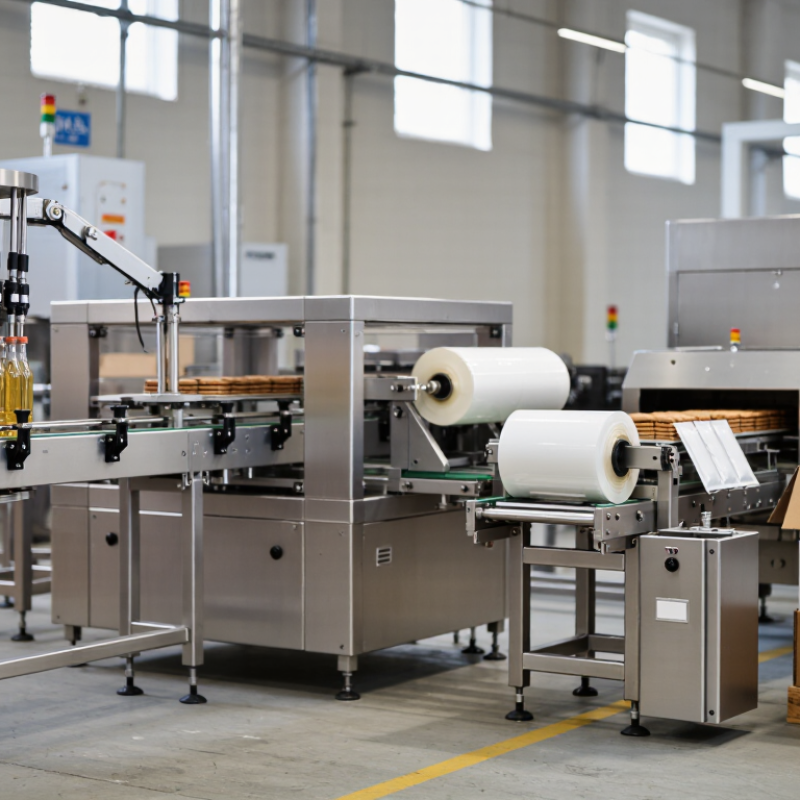
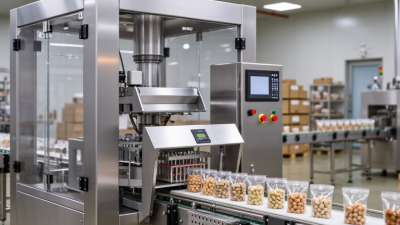
A packer machine prepares products for storage, transport, or sale by placing them into suitable packaging. Depending on its design, it may fill bags, load cartons, wrap items, or close containers. Some machines handle one task, while integrated systems combine several steps. The term is broad, so buyers should check what each model actually does.
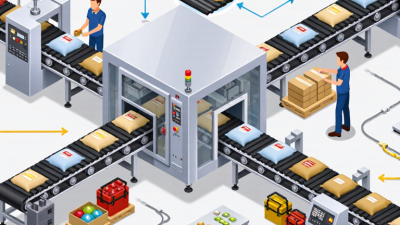
A typical machine uses a product feed, a packaging-material supply, and controls that coordinate movement and timing. Sensors can detect misaligned items or packaging, helping reduce jams and waste. For example, a line packing small bottles may guide them into groups before placing them in a box. The right setup depends on product size, fragility, package format, and required output. Real production is less tidy than a diagram. Dust, uneven product flow, or frequent package changes can affect performance. Operators should review safety features, cleaning access, changeover time, and service needs before installation. No machine suits every line, and early estimates can be wrong. A practical assessment with actual products and packaging gives a more reliable basis for selection.
A packer machine turns loose or bulk product into measured, contained packages. Its exact motion depends on the material and package style. A typical system includes a product hopper, a dosing mechanism, a filling area, and a sealing unit. Small details matter.
The product drops from the hopper into a feeder. An auger may move powder, while a scale can portion granules by weight. Liquids often pass through a controlled pump and nozzle. The machine then opens or forms a bag, guides the measured amount inside, and closes the package with heat or another suitable seal. Then comes the seal. Sensors check positions and timing, while an operator adjusts settings such as fill weight, speed, and sealing temperature.
The sequence sounds tidy, but real production can be less predictable. Humidity may make powder cling; oddly shaped pieces may feed unevenly. A faster setting is not always better, since it can cause spills or weak seals. Not quite. Operators usually test samples and inspect seals before relying on a setting. Different packer designs handle different products, so choosing one means matching the feeder, dose, and package to the material—not just chasing output speed.
A packer machine can handle powders, granules, liquids, pastes, and individual solid items. Common examples include flour, rice, coffee, sauces, creams, hardware pieces, and snack foods. The right machine depends on how a product behaves, not just what it is called. Moisture matters. A fine powder may spill or create dust, while sticky paste can cling to filling nozzles.
Free-flowing grains often suit volumetric or weigh-based filling systems. Powders may need auger fillers that feed material steadily into bags or containers. Liquids and thin sauces typically use pumps or timed filling, while thicker products need equipment that tolerates greater resistance. Small tablets, components, or wrapped goods can be counted or placed into packs. Product size and shape affect accuracy; irregular pieces may not feed consistently.
Packaging material matters too. Machines may fill pouches, bottles, jars, cartons, or larger sacks, but each format needs suitable seals and handling parts. A detail people sometimes miss is product change over: a machine that works well for dry rice may need extensive cleaning before handling a different ingredient. Trials with the actual product can reveal bridging, foaming, leakage, or damaged pieces. Specifications help, but real samples tell a fuller story.
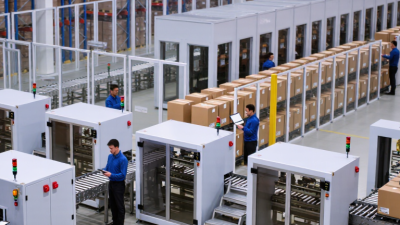
Packer machines place products into bags, cartons, cases, or protective wraps. Their main types are best distinguished by package format and handling task. Bagging machines form or open a pouch, dose the product, and seal it. They suit grains, powders, and small parts. Case packers arrange finished units inside corrugated boxes, using mechanical lanes or pick-and-place systems. Filling-packers meter liquids or pastes into bottles or pouches before capping or sealing. Vacuum packers remove air before sealing, while shrink packers wrap products in heat-shrunk film. Details matter. A dusty production floor may need different sealing arrangements from a clean, temperature-controlled room.
These machines serve a broad and growing sector. Grand View Research estimated the global packaging machinery market at USD 45.87 billion in 2023, with a projected compound annual growth rate of 4.5% from 2024 to 2030, in its Packaging Machinery Market Size, Share & Trends Analysis Report. The estimate covers packaging machinery overall, not packers alone. In practical selection, throughput, product fragility, pack-size changes, and cleaning requirements all matter. A fast case packer can still damage loosely stacked products. Test the actual product. Operators may find setup time matters as much as rated speed, a factor that is easy to overlook.
Typical throughput ranges for common bagging machine types (bags per minute)
Vertical form-fill-seal machines form bags from roll stock, while premade-pouch machines fill ready-made bags. Open-mouth baggers and vacuum bagging machines serve different product and packaging needs. These are indicative commercial ranges, not guaranteed speeds; actual output depends on the product, bag size, equipment configuration, and operating conditions.
Choosing a packer machine starts with the product, not the catalog speed. Is it a powder that spills, a liquid that foams, or a fragile part that can scratch? Product shape, weight, temperature, and flow behavior affect filling accuracy and handling. Then match the package: bags, cartons, trays, or cases need different forming and closing equipment. Bring real samples to a supplier trial. A machine that runs neatly with ideal test material may struggle with dusty product or slippery film.
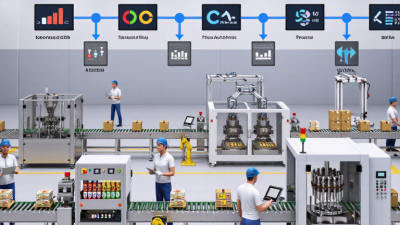
Throughput matters, but measure the rate you need during normal production, including changeovers and cleaning. The International Federation of Robotics reported 4,281,585 industrial robots operating worldwide in 2023, a 10 percent rise from 2022, in its World Robotics 2024 report. That growth signals expanding automation, not a reason to automate every step. Check whether a packer can connect to existing conveyors, scales, and inspection systems, and whether operators can clear jams safely.
Look closely at changeover time, available floor space, washdown needs, spare parts, and local service support. Ask for performance data using your actual package and product. Also compare total ownership cost, including film waste, maintenance, training, and downtime. Not speed alone. A spreadsheet can miss awkward access or a noisy handoff between machines; those details deserve a plant-floor review before purchase.