What Are Automated Packaging Solutions and How Do They Work?

Automated packaging solutions use machinery, sensors, and control software to prepare products for storage or shipment. Depending on the line, they may form cartons, fill containers, seal bags, apply labels, and move finished goods. A typical process begins when products arrive on a conveyor. Sensors detect their position and signal equipment to start each step. A programmable logic controller coordinates timing, speed, and machine actions. Cameras or checkweighers can inspect packages before they leave the line.

Small details matter. A crooked label or loose seal can interrupt production and create rework. Understanding how the equipment works helps businesses choose a system suited to their products, packaging materials, and output goals. Some lines automate only filling or sealing; others connect several stages with shared controls and data. Operators still load materials, monitor alerts, and perform routine cleaning and maintenance. Automation does not remove human judgment.

The right setup depends on package size, changeover frequency, available floor space, and the skills of the maintenance team. A fast machine may be a poor fit if product formats change often. Careful trials and clear performance records can reveal such mismatches before a full installation. Even then, results need review. This guide explains the main equipment, how products move through a packaging line, and what to consider when assessing its benefits and limitations.
What Are Automated Packaging Solutions and How Do They Work?

What Automated Packaging Solutions Are and What They Include

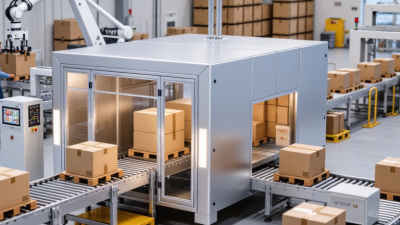
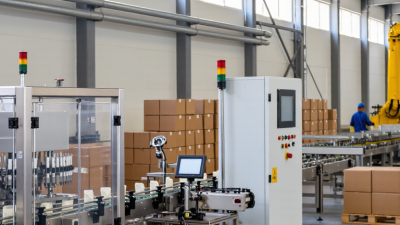
Automated packaging solutions are connected machines and controls that prepare, fill, seal, label, inspect, and move products with less manual handling. A complete line can include conveyors, product feeders, filling or wrapping equipment, case packers, palletizers, sensors, safety guards, and control software. Vision systems can check label position; checkweighers can flag packs outside set limits. The exact combination depends on product shape, material, speed, and changeover needs.

The International Federation of Robotics reported 553,052 industrial robots installed worldwide in 2022, a 5% increase from 2021. This figure covers all industries, not packaging alone, but it shows the wider growth of industrial automation. In packaging, robots commonly handle pick-and-place tasks, case packing, and palletizing. A programmable logic controller coordinates machine actions, while an operator interface displays settings, alarms, and production data. Integration matters: a fast wrapper cannot improve output if an upstream feeder keeps stopping.

Tips: Map product flow before choosing equipment. Test real packages, including awkward sizes and slippery surfaces. No line is fully hands-off; changeovers can reveal weak assumptions, and maintenance still needs planning. Start with measurable goals, such as fewer damaged packs or shorter changeovers, then verify results during production.

The Main Machines, Sensors, and Control Systems

Automated packaging solutions rely on machines that move, fill, close, label, and inspect products. A conveyor carries items between workstations at a controlled pace. A filling machine measures liquid or dry ingredients, while a sealer closes each package with heat or pressure. Case packers then group finished units for shipping. The machines must work together, but their timing is not always perfect.

Sensors provide the line with useful information. Photoelectric sensors detect packages on a belt, and weight sensors can flag an underfilled container. Temperature sensors monitor sealing conditions, where small changes may affect package integrity. Cameras can check labels or spot visible defects. These devices send signals to a programmable controller, which adjusts machine actions or stops the line when readings fall outside set limits. Stops happen.

Operators use a control panel to view alarms, change approved settings, and restart equipment after checks. A well-designed system makes faults easier to trace: a blocked sensor, for example, may appear as a missing package rather than a machine failure. Routine cleaning and sensor calibration matter, too. In practice, dusty surfaces or shifting package sizes can confuse detection. Automation reduces repetitive handling, but it still needs careful setup and human judgment. No line is perfectly predictable.

How Products Move Through an Automated Packaging Line

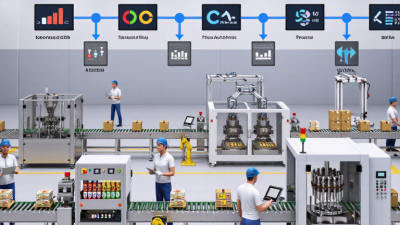
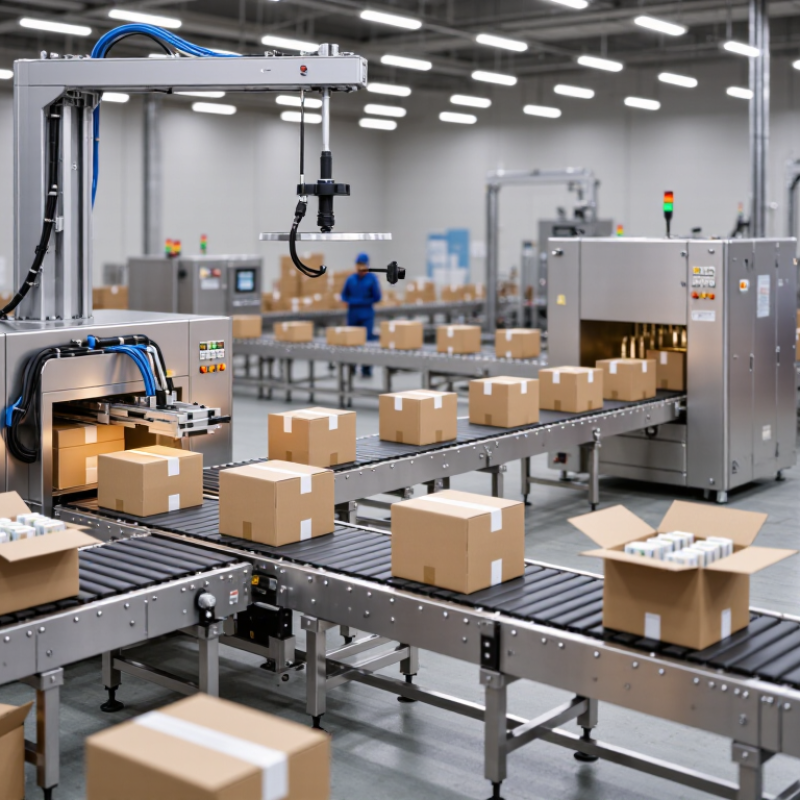
Products enter an automated packaging line on a conveyor, often spaced by guides or timing belts. Sensors detect each item and help keep it aligned as it moves toward the packaging station. A bottle may pass upright beneath a filler, while a flat carton travels through folding guides. Small pauses matter.

At the packaging station, machines form or open the package, place the product inside, and close it with a seal, label, or other approved closure. Conveyors carry finished units to printers and inspection equipment. Cameras can check label position, while sensors may detect missing items or poorly formed seals. Units that fail a set check can be diverted for review instead of continuing down the line.

Accepted packages move toward case packing, where equipment groups them into cartons for storage or shipping. Operators monitor the line, replenish materials, clear minor jams, and verify that settings match the product. Changeovers take time. A small shift in package size or product spacing can disrupt a smooth flow, and automated equipment does not remove the need for careful checks. During startup, teams often watch the first packages closely and adjust guides or sensor positions before running at full speed.

How Packages Are Filled, Sealed, Labeled, and Inspected

What Are Automated Packaging Solutions and How Do They Work?
How Packages Are Filled, Sealed, Labeled, and Inspected

Automated packaging moves products through coordinated stations, each set for a particular package size and production speed. At the filling station, sensors detect an arriving container and trigger a measured dose. Liquids may flow through nozzles; powders often use augers, while solid items may be counted or weighed. A checkweigher can flag packages outside the target range. Operators still need to verify settings when products, temperatures, or container shapes change. Small differences matter.

Next, machines seal packs with heat, pressure, adhesive, or fitted closures. Labelers apply product details, while cameras read barcodes, dates, and label position. A reject gate diverts packs with missing caps, unreadable codes, or poor seals. PMMI’s 2023 State of the Industry report estimated U.S. packaging machinery shipments at $10.9 billion in 2022. That signals significant investment, not guaranteed accuracy. Automation is not self-correcting. Sensors need cleaning and calibration, and teams should inspect sample packs during changeovers. Even a well-tuned line can drift. A seal may look sound but leak under handling, so periodic physical checks remain useful.

Automated Packaging: Packages Completed at Each Stage

Illustrative example of a 1,000-package production batch.

Automated lines move products through filling, sealing, labeling, and inspection. This example tracks how many packages have completed each stage; inspection checks may include verifying label presence, seal integrity, and package appearance.

Where Automated Packaging Solutions Are Used and Their Key Benefits

What Are Automated Packaging Solutions and How Do They Work?

Automated packaging solutions are used in food plants, cosmetics facilities, pharmacies, and online order centers. They fill, seal, label, inspect, or carton products with limited manual handling. A sensor can detect a pouch’s position, while a controller adjusts timing before sealing jaws close. That small pause matters. It helps keep packages consistent and reduces repetitive work.

In beverage plants, conveyors move bottles past filling and capping stations; cameras can flag crooked caps before case packing. A bakery may use case erectors and weight checks to keep cartons moving steadily. Warehouses use wrappers and label applicators to prepare mixed orders for dispatch. Equipment is configured for package size, line speed, and product fragility. Details matter.

Key benefits include more predictable output, fewer handling errors, and clearer traceability through printed batch codes. Workers can spend less time lifting and sealing, though they still need training to clear jams and verify checks. Automation is not a magic fix. A poorly tuned line can create waste, especially when package formats change often. Teams should assess maintenance needs, changeover time, and inspection results during a production trial.

What Are Automated Packaging Solutions and How Do They Work? - Where Automated Packaging Solutions Are Used and Their Key Benefits

Packaging Solution or Stage How It Works Typical Uses Key Benefits
Automated packaging line A connected system moves products through operations such as filling, closing, labeling, inspection, and case packing with limited manual handling. Food and beverage, personal care, household goods, and other high-volume production. Supports consistent workflows, reduces repetitive tasks, and can increase throughput when properly configured.
Filling and dosing Sensors and metering mechanisms dispense a set quantity of liquid, powder, granules, or other product into a container. Bottled drinks, sauces, detergents, dry foods, and pharmaceutical products. Improves fill consistency and can reduce spills and product giveaway.
Forming, sealing, and closing Machines shape packaging or apply closures, heat seals, or other seals according to the package format and material. Pouches, cartons, trays, bottles, jars, and flexible-film packs. Produces repeatable closures and helps protect products during handling and distribution.
Labeling and coding Applicators place labels, while coding equipment prints information such as lot codes, dates, and barcodes onto packs. Retail products, foods, cosmetics, medical supplies, and shipments requiring traceability. Supports legibility, product identification, inventory handling, and traceability requirements.
Inspection and quality control Vision systems, checkweighers, or other sensors examine packages and can flag or reject items that do not meet configured checks. Production lines where fill weight, label placement, package integrity, or printed codes need verification. Helps identify defects earlier and reduces reliance on visual checks alone.
Case packing and palletizing Products are grouped into cases, and cases may be arranged on pallets by automated handling equipment or robotic systems. Warehousing, distribution, beverage production, and manufacturers shipping products in bulk. Reduces repetitive lifting and helps create consistent unit loads for storage and transport.
System controls and sensors Controllers coordinate machine timing, while sensors monitor product position, package presence, and operating conditions. Across automated lines, especially where several machines must operate in sequence. Enables coordinated operation, helps detect interruptions, and supports repeatable settings.
Implementation considerations Equipment is selected and configured around product characteristics, package materials, production volume, changeovers, and available floor space. Any facility evaluating new equipment or upgrading an existing packaging process. Planning for integration, operator training, maintenance, and product changeovers helps ensure the system fits the operation.