What Types of Automated Packaging Equipment Are There?
Automated packaging equipment is no longer limited to high-speed factory lines. It can fill, seal, label, inspect, carton, case-pack, and palletize products. The choice depends on the package, production volume, available floor space, and how smoothly the machine connects with existing equipment. A pouch filler may suit a small food producer; a robotic palletizer can reduce repetitive lifting at the end of a busy line. The fit matters.
Industry data gives useful context. The International Federation of Robotics’ World Robotics 2024 report counted 4,281,585 industrial robots operating in factories worldwide in 2023, a 10% rise from 2022. That figure covers many industries, not packaging alone, so it should not be read as a packaging-equipment sales estimate. PMMI’s State of the Industry reporting also tracks changing investment and operational pressures across packaging machinery. These reports help frame the trend, but they cannot decide which machine suits a particular plant.
This guide compares common equipment types, from filling and form-fill-seal systems to case packers and palletizers. It also considers where automation can ease bottlenecks—and where it may add complexity. A caution about sourcing: no articles or verifiable expert quotation were supplied, so I cannot responsibly invent a quote or attribute one to an industry specialist. That gap matters. Real production conditions can be messier than a clean equipment diagram suggests.
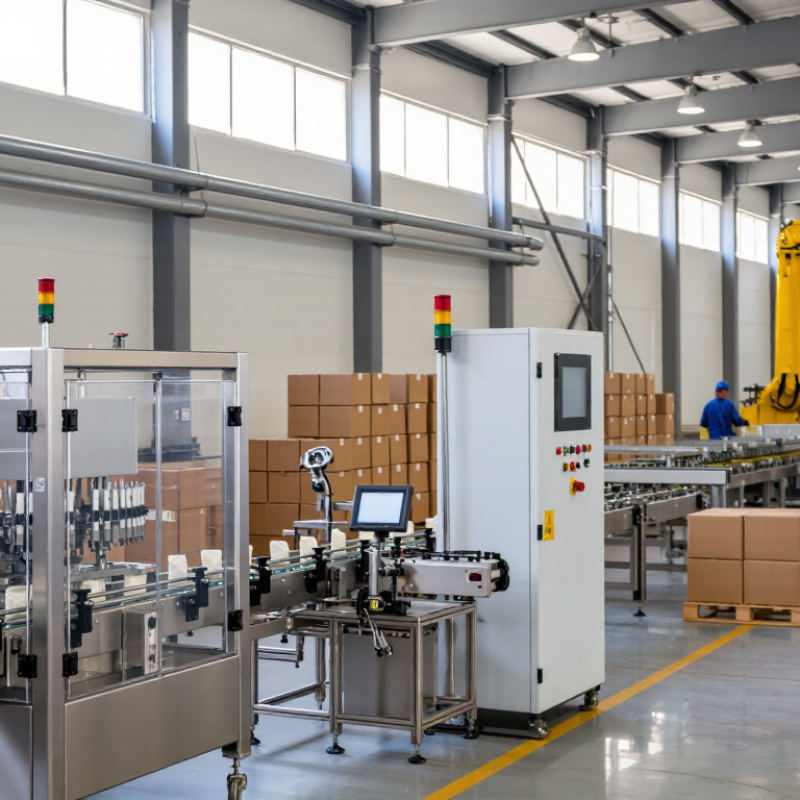
How Automated Packaging Equipment Is Classified
Automated packaging equipment is classified by its task, package format, and degree of automation. Filling and dosing machines place measured product into bottles, pouches, or trays. Cartoners and case erectors form cartons and cases, while cappers and sealers close them. Labeling and coding machines mark packages; case packers and palletizers handle finished goods. That task-based view helps teams locate a bottleneck, such as a slow capper after a fast filler.
Equipment can also be grouped by the packaging material it handles, including flexible film, rigid containers, or corrugated cases. A third distinction is operating mode: standalone machines, connected lines, or robotic cells. The International Federation of Robotics reported 541,302 industrial robot installations worldwide in 2023 in its World Robotics 2024 report. That figure covers many industries, not packaging alone, so it signals wider adoption rather than guaranteed packaging-line savings. A tidy classification can still miss awkward changeovers and operator workload.
Tips: Classify by the product’s path through the line. Note container size, changeover frequency, and the point where packages queue. Then compare machine capacity with actual line speed.
Automated Filling and Dosing Equipment
Automated filling and dosing equipment delivers measured quantities of liquid, powder, paste, or granules into containers. The right system depends on how a product behaves, not just its target dose. A piston filler handles thick sauces and creams, while a flow-meter system can suit free-flowing liquids. Auger fillers move powders into jars or pouches, and weigh-based dosers measure ingredients by mass. Small details matter. A powder that clumps may need a different hopper and feed mechanism than a dry, free-flowing blend.
Good equipment also supports consistent operation. Operators can set a fill amount, monitor output, and adjust the line for different container sizes. Sensors may detect missing bottles, while drip trays help keep work surfaces clean. Still, automation is not magic. Product temperature, foam, particle size, and container movement can all affect accuracy. A setup that works during a short trial may behave differently after hours of production. That trade-off deserves attention. Teams should test real product, check filled weights regularly, and plan cleaning and changeovers before selecting equipment. Calibration takes time, and skipped checks can quietly create variation. A practical system is one operators can inspect, clean, and understand.
The chart compares representative dosing-error ranges for common filling and dosing technologies; lower values indicate tighter dosing. Actual performance depends on the product, machine configuration, container, and testing method. Confirm requirements with equipment specifications and product trials.
Wrapping, Sealing, and Bagging Machines
Automated packaging equipment is often grouped by how it contains a product: wrapping, sealing, and bagging machines. Wrapping machines apply film or paper around individual items, trays, or bundles. A flow wrapper feeds products through a forming area, then seals the film along and across each pack. Film tension matters. Too much can deform soft goods; too little may leave loose, untidy packaging.
Sealing machines close pre-formed containers, pouches, or trays. Heat sealers press compatible material together at a controlled temperature and dwell time. Induction or band-sealing systems may suit different container formats. Small details matter. Seal quality depends on clean contact surfaces, consistent product placement, and settings matched to the packaging material. A seal that looks closed may still need routine checks.
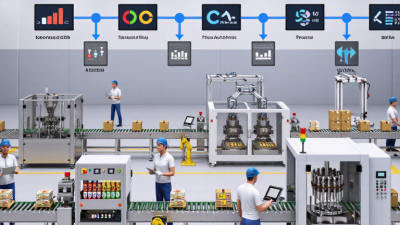
Bagging machines form bags from a film roll or fill bags supplied on a reel or stack. Depending on the model, they can weigh, fill, and seal products in one cycle. They are used for items such as produce, hardware, and granular foods. Product shape and flow affect filling accuracy. A line diagram can make integration look simple, but real products vary, and small changes in moisture or size may disrupt feeding. Trials with the intended product and packaging help reveal those weak points.
Case Packing and Palletizing Equipment
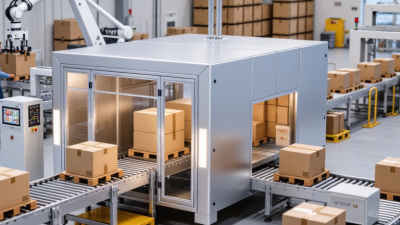
Case packing and palletizing equipment handles two connected steps at the end of a packaging line. A case packer groups products and places them into cartons or cases. Depending on the product, it may load items individually, in layers, or through robotic picking. The case is then closed and sent toward palletizing. Palletizers stack cases onto a pallet using a preset pattern. Conventional systems suit steady, high-volume lines, while robotic systems can handle changing case sizes and stack layouts. The right setup depends on product weight, case dimensions, available floor space, and how often the line changes over.
Tips: Check case stability before choosing a stacking pattern. Keep the pallet infeed clear, and confirm that cases arrive in a consistent orientation. Small alignment problems can build up across a full pallet. That matters.
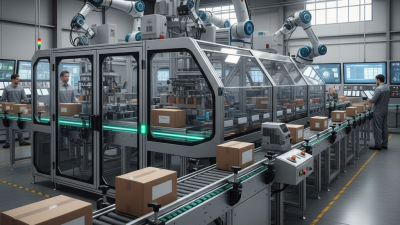
In a working facility, operators should be able to reach routine adjustment points without crossing active conveyor paths. Sensors can detect missing or skewed cases, but they still need sensible placement and regular checks. A carefully planned layout can reduce manual lifting and keep product flow predictable. Still, the first layout rarely proves perfect; observe changeovers and record where jams occur before making adjustments.