Top Industrial Food Packaging Machines in China for Global Buyers?
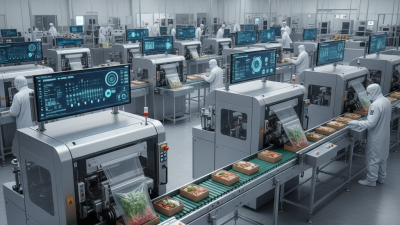
In recent years, the demand for industrial food packaging machines has surged. This growth is driven by the need for efficiency and safety in food processing. China has become a major hub for manufacturing these machines. Buyers worldwide are increasingly turning to Chinese suppliers for their innovative solutions.
The industrial food packaging machines produced in China offer a variety of features. They cater to diverse industries, from snacks to dairy products. These machines can enhance productivity while ensuring product quality. However, navigating the market can be challenging for global buyers. It's essential to assess the reliability of manufacturers and the technology they use.
Choosing the right packaging machine is crucial. Buyers should consider specific needs and potential future demands. Not all machines will fit every requirement. It's important to approach this investment with care. This report delves into the top industrial food packaging machines available in China. We aim to guide buyers in making informed decisions in a complex market.
Overview of Industrial Food Packaging Machines in China
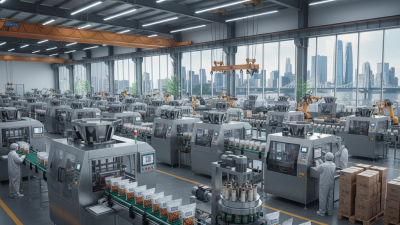
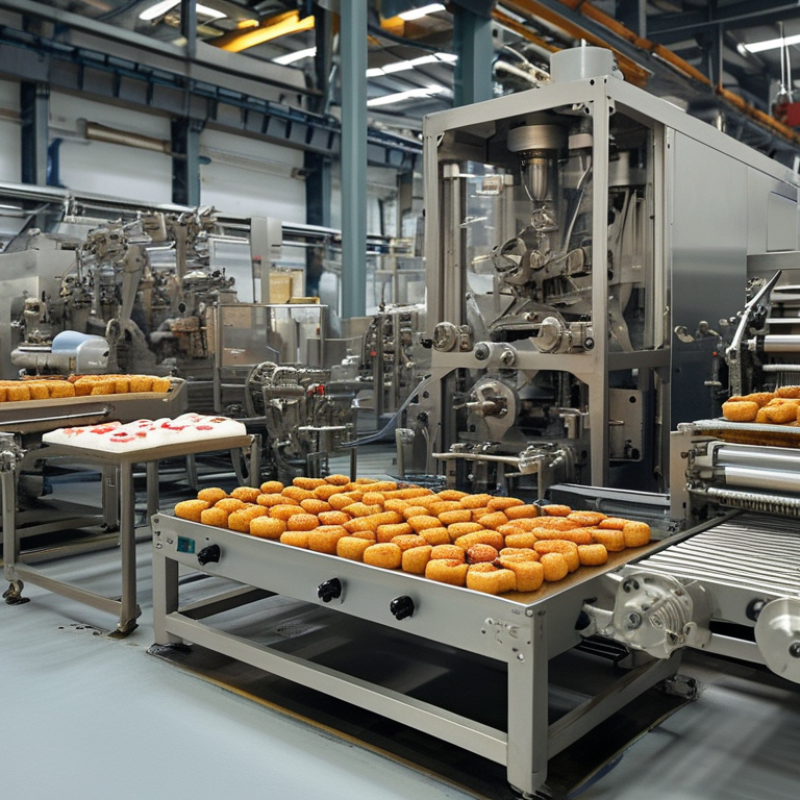
China has become a leading player in the industrial food packaging machine sector. With a vast landscape of manufacturers, it offers a range of innovative solutions. Companies focus on automation and efficiency, aiming to meet global standards. The production lines are advanced, ensuring the machinery is reliable and versatile. Many machines can handle various packaging formats, catering to diverse food products.
The market is competitive, yet it presents opportunities for international buyers. Chinese manufacturers invest in research and development, enhancing their products continuously. Some machines are equipped with advanced tech, such as AI and IoT, improving monitoring and operation. However, not all manufacturers maintain the same level of quality. It is crucial for buyers to conduct thorough evaluations before making decisions. Look for certifications and reviews to ensure the machines meet your needs.
While the appeal of lower costs in China is significant, quality should never be compromised. Experiences vary between suppliers, and some may falter in service and support. Effective communication is key to avoid misunderstandings. Inspecting equipment before purchase remains essential to find what really suits your production line. The right commitment can lead to fruitful partnerships.
Key Features of Top Food Packaging Machines
In the booming Chinese market, food packaging machines have evolved significantly. These machines prioritize efficiency and sustainability. Many designs now feature advanced automation. This reduces human error and increases output. Sensors monitor the packaging process, ensuring consistent quality.
Key features include versatility and adaptability. Machines can handle various food types, from dry goods to liquids. This flexibility appeals to manufacturers facing diverse product demands. Additionally, energy efficiency has become essential. Many models reduce power consumption while maintaining performance levels.
Durability is another critical factor. Machines are built with high-quality materials, ensuring long-lasting operation. Regular maintenance checks can uncover potential issues before they escalate. Despite advancements, the need for operator training remains. Complex features can be daunting for new users. Continuous learning is essential in optimizing machine performance.
Leading Manufacturers in China and Their Offerings
In China, the industrial food packaging sector is thriving. Various manufacturers are stepping up with innovative machines designed for global markets.
These manufacturers focus on efficiency and sustainability, addressing the diverse needs of buyers.
When selecting packaging machines, consider the specific needs of your product. Every item has unique requirements for packaging.
Understanding these needs can save time and resources. Machines typically vary in versatility, speed, and energy efficiency.
Reach out to manufacturers to discuss your criteria.
Tip: Always ask for samples. Obtaining a trial sample can help determine if the machine meets your expectations.
One should also reflect on the after-sales service provided.
Support and maintenance can be crucial for long-term investment. Evaluate the responsiveness of the manufacturer’s customer service.
A reliable partner will provide assistance and resolve issues quickly.
Tip: Document your experience. Keeping a record of machine performance can guide future purchases.
It is easy to overlook details, but they matter greatly.
Emerging Trends in Food Packaging Technology
The food packaging industry is witnessing rapid advancements. Emerging trends in technology are reshaping how food products are preserved and presented. Key innovations include sustainable materials, smart packaging, and automation. These advancements address the growing demand for eco-friendly options and efficient production processes.
Sustainable materials, like biodegradable plastics, are gaining traction. Such materials reduce environmental impact and appeal to eco-conscious consumers. Companies are now investing in research to create packaging that is both functional and environmentally friendly. This trend reflects a broader commitment to sustainability in the industry.
Smart packaging is another exciting trend. It incorporates technology to monitor freshness and quality. For example, sensors can alert consumers if food is nearing spoilage. This not only improves food safety but also enhances customer experience. However, integrating this technology poses challenges, like higher costs and the need for standardized systems.
Tips: Consider the lifecycle of packaging. Evaluate its environmental impact thoroughly. Embrace innovations, but remember their practical implications. Assess how these technologies fit your food products. Taking small steps toward incorporating these trends can create significant long-term benefits.
Top Industrial Food Packaging Machines in China for Global Buyers - Emerging Trends in Food Packaging Technology
| Machine Type |
Functionality |
Material |
Output (units/hour) |
Technological Trend |
| Vertical Form Fill Seal |
Packaging of powders and granules |
Plastic, Aluminum |
150-200 |
Automation and User-Friendly Interfaces |
| Horizontal Flow Wrapping |
Wrapping solid products |
Film, Paper |
200-300 |
Sustainability and Biodegradable Packaging |
| Case Packing Machines |
Cartoning and case packing |
Cardboard, Plastic |
100-150 |
Integration with Robotics |
| Labeling Machines |
Labeling bottles and containers |
Self-Adhesive Labels |
250-350 |
Smart Technology Integration |
| Shrink Wrapping Machines |
Securing grouped products |
Shrink Film |
120-180 |
Energy Efficiency and Reduced Waste |
Insights for Global Buyers on Choosing the Right Equipment
When selecting industrial food packaging machines, global buyers should prioritize efficiency and reliability. According to a recent market report, the food packaging machinery industry is forecasted to grow at a CAGR of 5.3% from 2021 to 2028. This growth reflects an increasing demand for innovative packaging solutions.
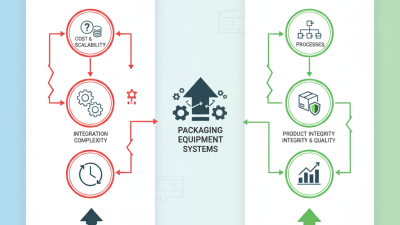
Buyers must evaluate the technology used in machines. Advanced automation is essential for enhancing productivity. Many machines now incorporate AI and IoT to streamline operations. However, this tech integration can complicate maintenance and user training.
Therefore, buyers should consider the availability of support services.
Quality materials in machine construction are crucial for durability. Stainless steel and high-grade plastics are preferred due to their resistance to corrosion. Cost should not be the only factor. Investing in high-quality machinery can reduce long-term operational costs.
It is vital to analyze a machine's lifespan and warranty. This approach ensures a more informed purchasing decision, ultimately benefiting global operations.