The Duravant family of operating companies serve the food processing, packaging and material handling segments.

China’s packaging market is moving from low-cost volume toward measurable performance. Buyers now compare barrier strength, recyclability, automation, food-contact safety, and total ownership cost. The right packaging solutions must survive humid warehouses, long-distance transport, and demanding retail shelves. A glossy sample is not enough.
Smithers forecasts that the global packaging market could exceed US$1.2 trillion by 2028. Its analysis also highlights strong growth in flexible packaging, paper-based formats, and sustainable materials. China remains central to this shift, supported by extensive converting capacity and advanced manufacturing networks. However, buyers should verify supplier claims carefully. “Green” is not a technical specification.
The OECD’s Global Plastics Outlook reports that global plastic waste reached 353 million tonnes in 2019. Packaging represented about 40% of that total. These figures make material reduction and recovery important purchasing criteria, not marketing decorations. Ellen MacArthur, a leading circular-economy expert, stated: “We need to rethink the way we design, use, and reuse plastics.” Her point applies directly to China packaging procurement.
Practical evaluation starts with evidence. Request migration tests, compression results, recycled-content documentation, and production samples. Check whether a pouch opens cleanly, whether a carton survives stacking, and whether seals remain intact after temperature changes. Small failures become expensive quickly.
There is no perfect option. A lighter package may reduce material use but weaken protection. A recyclable format may require new filling equipment. Buyers must accept this tension, test assumptions, and compare real performance. The best packaging solutions balance cost, protection, compliance, and credible environmental progress.
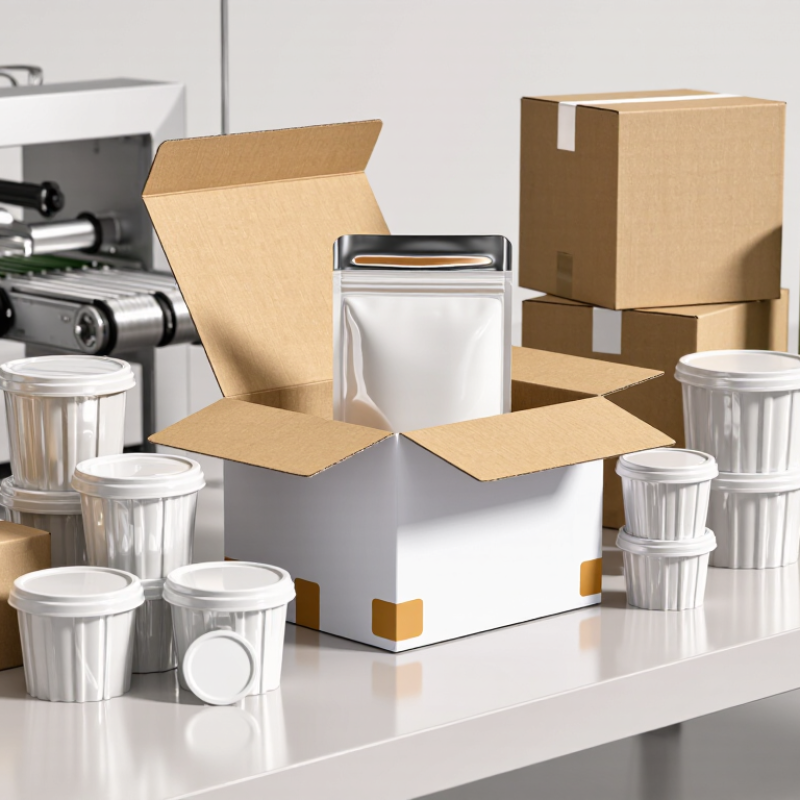
China’s packaging market is closely connected to its enormous delivery network. In 2023, China handled 132.07 billion parcels, creating steady demand for cartons, mailers, protective inserts, and flexible packaging. This figure shows scale. It does not show every packaging purchase.
For buyers, the practical map begins with product risk. Corrugated cartons suit many household and industrial goods. Air-cushion films and molded inserts help protect fragile items. Flexible pouches reduce weight for selected dry products. A carton that fits tightly can lower void fill and transport costs. Measure the product, not only the outer box.
Small details matter.
Ask suppliers for material grades, load limits, moisture resistance, and production tolerances. A buyer can request drop tests, compression tests, and sample approval before larger production. Check print color under consistent lighting. Inspect seams, adhesive strength, and carton dimensions during factory visits or third-party quality checks. In humid coastal warehouses, ordinary board may soften sooner than expected.
The 132.07 billion parcel figure is useful, but it can encourage oversimplification. High parcel volume does not guarantee that one packaging format fits every region or product. Buyers should compare packaging performance, unit cost, storage space, and recycling requirements together. I have found that the cheapest sample often becomes expensive after damage, returns, or repacking. A careful specification is not glamorous. It prevents avoidable surprises.
China’s express delivery volume increased from 63.52 billion parcels in 2019 to 132.07 billion in 2023. This expansion supports growing demand for lightweight, right-sized, recyclable, and protective packaging solutions.
Unit: billion parcels. Source: China State Post Bureau annual express delivery statistics.
Packaging choice should follow the product, shipping route, and selling environment. Corrugated packaging suits boxed goods, appliances, and export cartons. Its fluted layers absorb shocks and support stack loads. In warehouse testing, measure compression strength after humidity exposure. A dry carton can perform very differently near a coastal port.
Flexible packaging works well for snacks, powders, clothing, and refill products. It uses less material and saves storage space. Strong seals matter more than attractive printing. Ask suppliers to test puncture resistance, seal strength, and barrier performance. Thin film is not automatically a better option.
Rigid packaging protects cosmetics, electronics, and delicate components. Plastic, glass, and metal formats offer shape stability and a premium handling experience. However, they can increase shipping weight and storage costs. Review drop-test results before choosing a heavier structure. It may still crack.
Biodegradable packaging fits selected food-service items, mailers, and short-use applications. Its value depends on verified material composition and suitable disposal facilities. “Biodegradable” is not a complete performance specification. Request clear test reports, shelf-life data, and disposal guidance. Local infrastructure can limit the real environmental benefit. I have seen promising samples fail after moisture exposure, so small pilot orders deserve serious attention. A practical comparison should include unit cost, minimum order quantity, lead time, defect controls, and documentation. No material wins every test.
What Are Top China Packaging Solutions for Buyers?
Screen Suppliers by MOQ, Lead Time and ISO 9001 Quality Systems
A practical supplier screen starts with the minimum order quantity. Ask whether the MOQ applies per design, size, color, or material. A quoted 5,000-unit MOQ may become 20,000 units across four printed versions. Request a written breakdown before comparing prices. Small trial orders can reveal print alignment, sealing strength, and carton damage. They also expose hidden setup charges.
Lead time needs more detail than “15 days.” Separate artwork approval, sampling, tooling, production, inspection, and shipping. Confirm the production start date in writing. Add time for holiday closures and port delays. I once treated a factory estimate as a delivery promise. That was careless. A realistic schedule should include a buffer, especially for custom packaging.
ISO 9001 can support consistent processes, but a certificate alone proves little. Check its validity, certification scope, issuing body, and covered production site. Ask for inspection records, calibration logs, batch traceability, and corrective-action reports. A reliable supplier should explain what happens when samples fail. Request a pilot run and inspect retained samples against approved specifications. Packaging performance depends on moisture resistance, compression strength, dimensions, and closure quality. Ask for test methods, not vague assurances. Small gaps remain possible. Independent pre-shipment inspection can reduce that uncertainty.
| Packaging Solution | Typical Application | Common Materials | Indicative MOQ Range | Typical Production Lead Time | ISO 9001 Quality-System Screening | Key Buyer Checks | Best Fit for Buyers |
|---|---|---|---|---|---|---|---|
| Folding Cartons | Retail boxes, cosmetic cartons, food sleeves, pharmaceutical secondary packaging | Coated paperboard, kraft paperboard, recycled paperboard | 1,000–5,000 pieces | 10–20 working days | Request a current certificate and verify its scope | Board GSM, color proofing, die-cut accuracy, folding and gluing strength, print rub resistance | Brands requiring shelf-ready printed packaging with moderate order volumes |
| Corrugated Shipping Boxes | E-commerce shipping, export cartons, warehouse distribution, protective outer packaging | Single-wall or double-wall corrugated board, kraft liner, test liner | 500–2,000 pieces | 7–18 working days | Confirm documented process controls and inspection records | ECT or burst strength, flute profile, compression performance, moisture resistance, palletization | Importers and online sellers prioritizing product protection and freight efficiency |
| Flexible Stand-Up Pouches | Snacks, coffee, pet food, powders, personal-care refills | PET, PE, CPP, aluminum foil, metallized film, barrier laminates | 10,000–30,000 pieces | 20–35 working days | Check quality procedures for lamination, sealing and artwork control | Barrier requirements, seal integrity, zipper performance, migration compliance, roll or pouch dimensions | Consumer-goods buyers needing lightweight, resealable and space-efficient packaging |
| Printed Plastic or Compostable Film Rolls | Form-fill-seal applications, frozen foods, bakery products, sachets and overwrap | PE, PP, PET laminates, paper laminates, certified compostable structures where applicable | 300–1,000 kg per artwork | 20–40 working days | Verify material traceability and controlled printing processes | Film thickness, coefficient of friction, seal window, ink adhesion, winding direction, food-contact documentation | High-volume buyers using automated packing equipment |
| Glass Packaging | Beverage, food, fragrance, cosmetics and specialty products | Soda-lime glass, amber glass, clear glass, colored glass | 5,000–20,000 pieces | 25–60 working days | Review inspection methods for dimensions, defects and breakage control | Neck finish, fill volume, wall thickness, thermal shock, cosmetic defects, closure compatibility | Buyers seeking premium appearance, product protection and strong recyclability potential |
| Aluminum Cans and Metal Tins | Beverages, confectionery, tea, gifts, cosmetics and industrial products | Aluminum, tinplate, coated steel | 10,000–50,000 pieces | 25–50 working days | Confirm coating, forming and decoration inspection controls | Can or tin dimensions, coating compatibility, seam or lid fit, dent resistance, print durability | Projects requiring high barrier protection, stackability and durable presentation |
| Paper Bags and Kraft Shopping Bags | Retail carry bags, takeaway packaging, events and promotional distribution | Kraft paper, recycled paper, coated paper, cotton or paper handles | 1,000–5,000 pieces | 10–25 working days | Check paper sourcing, handle attachment and print inspection records | Paper GSM, handle pull strength, bottom construction, moisture tolerance, color consistency | Retail and food-service buyers seeking a paper-based customer-facing format |
| Molded Pulp Inserts and Trays | Electronics, glassware, cosmetics, small appliances and protective inner packaging | Recycled paper fiber, molded pulp, bamboo fiber or other plant-fiber blends | 3,000–10,000 pieces | 25–45 working days | Review tooling approval, dimensional inspection and moisture controls | Product fit, compression strength, fiber cleanliness, odor, moisture content, nesting efficiency | Buyers replacing expanded plastic inserts with fiber-based protective components |
| Rigid Gift Boxes | Luxury goods, jewelry, electronics, spirits and premium promotional sets | Greyboard, wrapped paper, specialty paper, fabric, magnetic or ribbon closures | 500–3,000 pieces | 20–40 working days | Confirm assembly standards, appearance criteria and final inspection plans | Corner accuracy, surface finish, hinge or magnet performance, insert fit, packaging for export | Premium launches and products where unboxing experience is commercially important |
| Cosmetic and Personal-Care Containers | Skincare, haircare, fragrance, creams, lotions and liquid products | Glass, PP, PET, HDPE, acrylic, aluminum and elastomer components | 3,000–10,000 units | 25–60 working days | Check component traceability, leak testing and decoration controls | Closure torque, leakage, pump output, compatibility, decoration adhesion, fill-volume tolerance | Beauty and personal-care buyers requiring coordinated primary and secondary packaging |
| Food-Contact Packaging | Dry foods, ready meals, bakery goods, beverages and takeaway products | Food-grade paperboard, PE, PP, PET, glass, aluminum and compliant laminates | 5,000–30,000 units | 20–45 working days | Require applicable food-contact declarations and controlled batch records | Migration documentation, sealing, odor, barrier performance, temperature range, labeling requirements | Food importers that need documented compliance for the destination market |
| Custom Labels and Stickers | Product identification, variable information, branding, tamper evidence and barcodes | Paper, PET, PP, PE, thermal materials, removable or permanent adhesives | 1,000–10,000 labels | 5–15 working days | Review artwork approval, barcode verification and adhesive testing | Adhesive suitability, roll direction, barcode readability, ink resistance, application surface | Buyers needing low-cost customization or packaging updates without changing the container |
Planning note: MOQ and lead-time figures are indicative industry ranges for custom packaging production in China, not supplier-specific quotations. Actual conditions depend on material availability, tooling, artwork approval, testing, seasonal capacity, order quantity and destination-market compliance. ISO 9001 certification should be verified through a current certificate, certification scope and issuing-body records before purchase.
When buyers compare China packaging solutions, food-contact compliance should guide the shortlist, not only price or appearance. Flexible pouches, paper cartons, molded fiber trays, and metal containers may require different verification routes. China’s GB 4806 series sets safety principles and material-specific requirements for food-contact articles. The correct standard depends on the substrate, coating, adhesive, ink, and intended food.
Ask the supplier for the complete material structure and intended-use statement. Check whether every layer meets the relevant GB 4806 requirement. This may include plastics, paper, metal, coatings, or adhesives. Request recent migration-test reports from a qualified laboratory. Test conditions should match actual use. Oil, acidity, heat, storage time, and food type can change the result. A report for dry snacks may not support hot, fatty soup.
During sampling, inspect seals, inner coatings, odors, and print transfer. Keep the approved sample beside the production batch. This catches changes in resin, adhesive, or recycled content. A supplier declaration is useful, but it is not final proof. Documents can be incomplete. Review test dates, sample descriptions, limits, and laboratory credentials. Confirm current Chinese requirements before shipment. No checklist catches every production variation, so record corrective actions when results seem unclear.
What Are Top China Packaging Solutions for Buyers?
China offers flexible packaging options, but the lowest unit price rarely shows the full cost. Buyers should calculate the landed cost before approving samples. Include product pricing, tooling, inland transport, ocean or air freight, insurance, customs duty, and destination handling. VAT may be recoverable, but cash flow still matters. A carton quote can look attractive until port charges arrive.
Recyclability needs practical testing, not only a material label. Ask for the exact polymer, ink system, adhesive, barrier coating, and closure composition. A mono-material pouch may perform well, yet local recycling facilities might not accept it. Request current technical data, recycled-content evidence, and batch-level quality records. For EU sales, check the applicable packaging rules, product category, and compliance date. A 30% recycled-content target may not apply equally to every format. Do not treat one certificate as permanent proof.
Tips: Build a cost sheet with three freight scenarios. Test packaging through realistic filling, stacking, vibration, and storage conditions. Compare recycled resin availability before promising long-term supply. Keep written approval records. Small details matter. I have seen “recyclable” designs fail because a thin coating changed the sorting result. That mistake is easy to repeat. Supplier audits, independent testing, and periodic reviews create stronger purchasing decisions.