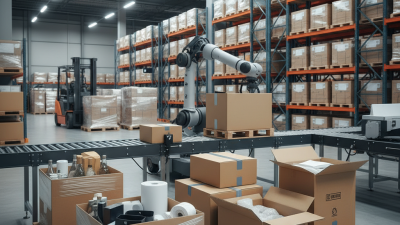
What Are the Top 10 Packaging Automation Solutions?
Packaging automation solutions are changing how products move from filling lines to finished cartons. They can reduce repetitive labor, improve throughput, and create more consistent package quality. Yet automation is not a magic switch. It is a practical system of sensors, conveyors, robotics, software, and trained people.
As packaging automation expert Jorge Izquierdo of PMMI has said, “Automation is a journey, not a destination.” That idea matters on every production floor. A small bakery may need an automatic case packer, while a high-speed beverage plant may require robotic palletizing and integrated vision inspection. The right choice depends on product shape, line speed, available space, changeover frequency, and maintenance skills.
This guide examines the top 10 packaging automation solutions used across modern operations. It considers what each solution does, where it fits, and which business problems it can solve. Expect practical details, not just impressive machine names. Some systems promise dramatic savings, but installation delays, poor integration, or weak operator training can reduce those gains.
The answer is rarely perfect.
A strong solution should support safer work, dependable output, measurable quality, and future expansion. It should also respect the realities of a factory: dusty floors, rushed changeovers, uneven product flow, and occasional human error. That last point deserves attention. Even advanced automation needs thoughtful oversight. The following solutions offer a clearer way to compare investment, performance, and long-term value.
What Packaging Automation Means in Modern Operations
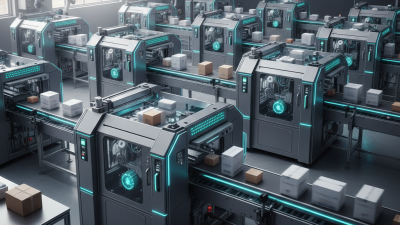
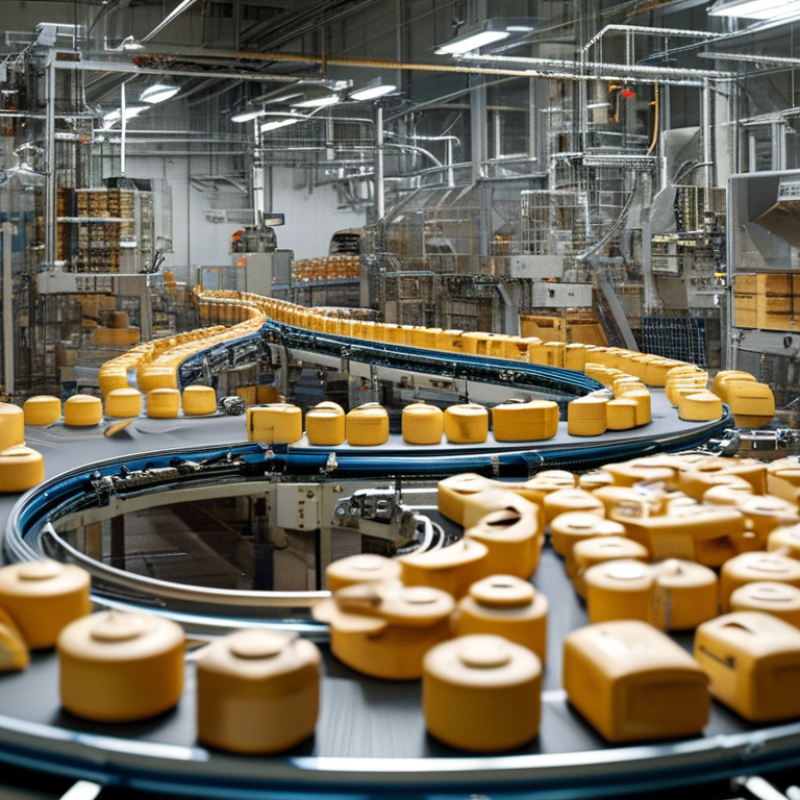
Packaging automation now means more than replacing manual labor with machines. It connects filling, sealing, labeling, inspection, and palletizing into one controlled flow. The top ten solutions usually include automated filling, capping, labeling, case forming, case packing, robotic picking, palletizing, vision inspection, conveyor systems, and warehouse software integration.
Data supports this shift. The International Federation of Robotics reported 541,302 industrial robots were installed worldwide in 2023. Many operate in packaging, material handling, and end-of-line tasks. The report also shows that automation is spreading beyond large factories. Smaller operations increasingly need flexible systems, not only maximum speed.
Packaging automation also improves traceability and process consistency. Sensors can detect an open flap, missing label, or unstable carton before shipment. Digital production records help teams investigate repeated faults. The 2024 PMMI State of the Industry report identifies labor availability, productivity, and equipment flexibility as major packaging investment drivers. Still, automation is not automatically efficient. A poorly designed conveyor can create jams faster. An inaccurate inspection system can reject good products. Human review remains necessary, especially during changeovers and unusual failures. The best modern operation combines robotics, data, trained technicians, and practical maintenance routines. Small improvements matter. A cleaner handoff between machines may reduce downtime more effectively than buying a faster unit.
What Are the Top 10 Packaging Automation Solutions?
Packaging automation in modern operations combines mechanical equipment, sensors, robotics, and software to improve throughput, consistency, traceability, and workplace safety.
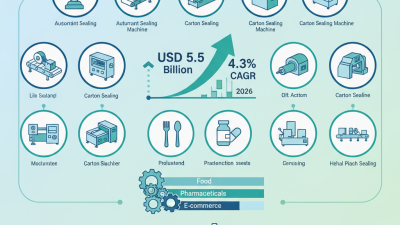
How to read this chart: The operational relevance score is a normalized 0–100 index based on the solution’s ability to reduce repetitive labor, improve packaging consistency, support quality control, and integrate with modern production lines. It is a solution-category comparison, not a company or brand ranking.
How to Compare Packaging Automation Solutions
Comparing packaging automation solutions starts with the product, not the machine.
A fragile pouch, dusty powder, or rigid carton creates different handling risks. Map each step: feeding, filling, sealing, labeling, inspection, and palletizing. Then measure speed, changeover time, reject rate, and operator intervention during real production. Short demonstrations can mislead. Ask for a factory trial using your materials.
Use total cost of ownership, not purchase price.
Include tooling, software, training, maintenance, energy, spare parts, and downtime. The International Federation of Robotics reported 541,302 industrial robots installed worldwide in 2023, up 10 percent year over year. That growth shows strong automation demand, but it does not guarantee a good packaging fit. Packaging teams should also examine integration with existing controls, traceability systems, and quality checks.
Keep the numbers visible.
A practical comparison can score each solution across five areas: output stability, changeover flexibility, safety, data access, and service response. PMMI’s 2024 State of the Industry reporting identifies labor availability and operational flexibility as continuing investment pressures in packaging machinery. Still, higher automation is not always better. A complex system may struggle with frequent short runs, while a simpler semi-automatic line may recover its cost faster. I would challenge any forecast based only on ideal uptime. Record three shifts, include cleaning and jams, and question the assumptions behind every payback calculation.
The Top 10 Packaging Automation Solutions by Function
What Are the Top 10 Packaging Automation Solutions?
The Top 10 Packaging Automation Solutions by Function
Packaging automation is easier to evaluate by function than by machine type. On a practical line, ten core solutions address different production needs. Product feeding keeps containers moving at a controlled pace. Filling equipment delivers measured volumes with less waste. Capping systems apply consistent torque and reduce loose closures. Labeling machines place information accurately on curved or flat surfaces. Cartoning equipment forms, loads, and closes cartons with steady timing.
The remaining functions protect speed, quality, and shipment readiness. Case packing groups finished units into shipping cases. Robotic pick-and-place systems handle fragile products with flexible motion. Vision inspection checks seals, labels, fill levels, and visible defects. Palletizing systems stack cases in stable patterns for safer handling. Stretch wrapping secures loads during storage and transport. These solutions can work separately, yet connected controls usually improve traceability and response time.
In real facilities, the best choice depends on product shape, line speed, changeover frequency, and available floor space. Operators should test samples before approving a system. Small containers may tip during fast transfers. Sticky products can also disrupt filling accuracy. That detail is easy to underestimate. Reliable automation needs guarded equipment, clear maintenance access, documented settings, and trained staff. A pilot run often reveals problems that a sales specification cannot show. Mistakes still happen, especially during rapid product changes. Good engineering leaves room to correct them.
Steps for Selecting and Implementing Packaging Automation
What Are the Top 10 Packaging Automation Solutions?
Packaging automation works best when selected from production evidence, not showroom appeal. Start by mapping every handoff: loading, filling, sealing, labeling, case packing, palletizing, and inspection. Record cycle time, changeover minutes, rejects, operator touches, and floor space. The top ten solution areas often overlap, but each addresses a different constraint. A vision inspection system cannot repair poor sealing. A robotic palletizer cannot stabilize weak cartons. Measure the bottleneck before requesting quotations. Include guarding, training, maintenance access, and compliance requirements.
Request trials with representative products, damaged samples, seasonal materials, and actual packaging speeds. Check how quickly operators can adjust guides, recipes, sensors, and film tension. Ask for documented uptime assumptions and clear service responsibilities. A polished demonstration may hide difficult changeovers. Watch the line after an intentional stoppage. That moment reveals practical weaknesses.
Implementation should begin with a controlled production zone, not the entire factory. Connect automation data to existing quality and maintenance records when possible. Train operators beside the equipment, using real cartons and common faults. Keep spare sensors, belts, and sealing components available. The first layout is rarely right. In one review, a shorter conveyor looked efficient but blocked maintenance access. We had to redesign it. Review rejects, downtime, safety observations, and changeover results weekly. Adjust the process before adding more automation.
Safety, Maintenance, and Future Trends in Packaging Automation
Packaging automation includes ten practical solutions: conveyors, fillers, capping machines, sealers, labelers, case packers, palletizers, depalletizers, vision inspection, and robotic handling.
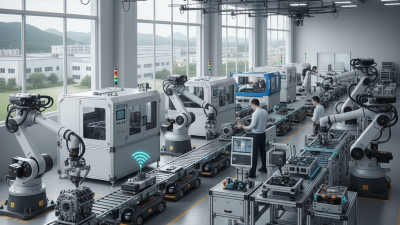
Each solution reduces repetitive work, but each also introduces new risks. A fast conveyor can catch loose clothing or fingers. A robotic arm can move unexpectedly during recovery. Guarding, emergency stops, light curtains, and clear lockout procedures must match the actual workflow, not just the equipment manual.
Maintenance should begin with observation.
Listen for irregular motor sounds, inspect worn belts, and check air leaks around pneumatic fittings. Clean sensors daily when dust or adhesive affects readings. Keep a simple log with dates, fault codes, replaced parts, and operator comments. This evidence helps technicians identify patterns before breakdowns occur. Still, even experienced teams miss small warning signs. A rushed adjustment may solve today’s jam and create tomorrow’s failure. Training needs regular refreshers, especially after software updates or staff changes.
Future systems will connect machines with condition monitoring, digital work instructions, and safer collaborative robotics.
Artificial intelligence may detect damaged seals or unstable cartons earlier than human inspection. However, data quality remains a weakness. Poorly calibrated sensors can produce confident but incorrect alerts. Human approval should remain important for unusual faults, maintenance isolation, and process changes. The best automation strategy is not maximum speed. It is controlled performance that protects people, preserves product quality, and remains serviceable years later.