Best Industrial Packaging Equipment for Optimal Supply Chain Efficiency?
In today’s competitive manufacturing landscape, efficient logistics are crucial. According to a recent report by Smithers, over 30% of operational costs relate to packaging and logistics. To address this, companies are increasingly investing in advanced industrial packaging equipment. These tools not only optimize packaging processes but also enhance supply chain efficiency.
Fast-paced market demands require flexibility and responsiveness. Standard packaging methods can often lead to bottlenecks. The right industrial packaging equipment can streamline workflow, reduce waste, and improve product protection. A study by Freedonia Group underscores that innovative packaging solutions can reduce shipping damages by 25%. This highlights the importance of selecting reliable equipment that meets specific industry needs.
However, not all industrial packaging solutions deliver promised results. Some systems may prove too complex, leading to increased downtime. Companies must evaluate their unique requirements carefully. Investing in equipment without a thorough analysis can result in wasted resources. Reflecting on these challenges is essential for continuous improvement in the supply chain.
Overview of Industrial Packaging Equipment Types
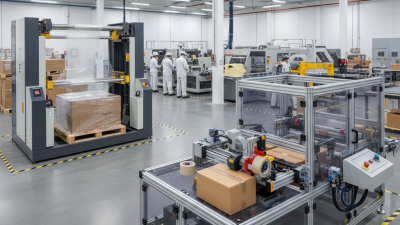
Industrial packaging equipment plays a crucial role in enhancing supply chain efficiency. Understanding different types of equipment can help businesses streamline their operations. Common types include stretch wrappers, strapping machines, and automated packing systems. Each has its unique function and contributes to the overall packaging process.
Stretch wrappers provide effective load stabilization. They secure products onto pallets, preventing damage during transit. Strapping machines, on the other hand, keep packages tightly sealed. They are essential for both safety and preservation. Automated packing systems save time and reduce labor costs. Implementing these tools can lead to significant improvements, but they are not without challenges.
Businesses must assess their specific needs before choosing equipment. Not all solutions fit every situation. Regular maintenance is crucial for optimal performance. Neglecting this can lead to breakdowns, affecting supply chain efficiency. Continuous evaluation and adjustments are necessary for progress and adaptability. Each piece of equipment has strengths and weaknesses, requiring careful consideration for ideal outcomes.
Key Features for Optimal Supply Chain Performance
In any supply chain, the right industrial packaging equipment plays a crucial role. Key features include durability, efficiency, and adaptability. Durable packaging can withstand harsh environments. It protects products from damage during transportation. This reduces waste and enhances customer satisfaction.
Efficiency is another vital aspect. Automated systems can speed up the packaging process. They minimize human error and optimize labor costs. A good system allows easy integration with existing workflows. It's essential to assess the current process and identify bottlenecks. Reflection on workflow can highlight areas needing improvement.
Adaptability is often overlooked. Packaging needs can change based on product type or market demand. Equipment that can handle various sizes and shapes is valuable. Moreover, it’s important to keep track of emerging technologies. Staying updated can prevent obsolescence and maintain competitive advantage. The true power of packaging lies in its flexibility and responsiveness to shifting supply chain needs.
Best Industrial Packaging Equipment for Optimal Supply Chain Efficiency
| Equipment Type |
Key Features |
Efficiency Benefits |
Ideal Industries |
| Automated Wrappers |
Speed, reliability, customizable |
Increases packing speed, reduces labor costs |
Food & Beverage, Consumer Goods |
| Case Erectors |
Versatile sizes, fast setup |
Reduces downtime, enhances workflow |
E-commerce, Packaging |
| Conveyor Systems |
Modular design, adjustable speed |
Improves material handling, reduces manual labor |
Manufacturing, Warehousing |
| Shrink Tunnel Machines |
Energy-efficient, consistent output |
Enhances packaging integrity, reduces waste |
Pharmaceuticals, Electronics |
| Pallet Wrappers |
Automatic stretch wrapping, user-friendly |
Reduces film usage, speeds up palletizing |
Logistics, Distribution |
Benefits of Automation in Packaging Processes
In today’s fast-paced industrial landscape, automation in packaging processes is vital. It enhances efficiency while reducing costs and errors.
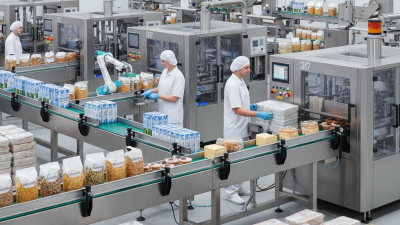
Automated systems can perform repetitive tasks faster than human workers. This leads to quicker production cycles and less downtime. The result is a smoother supply chain.
Implementing automation helps minimize human error. Machines can accurately fill, seal, and label products without fatigue. This consistency is crucial for maintaining quality. Moreover, automated systems can gather data, offering insights into performance. These insights enable managers to make informed decisions.
Automation can also adapt to fluctuating demands, ensuring optimal inventory levels. Consider a gradual approach when implementing automation. Assess your current processes first. Identify areas for improvement and appropriate technologies. This reduces disruption and helps staff adjust to new systems.
Regular training will ease transitions and foster a culture of innovation. Embracing change might seem daunting, but it's essential for future growth.
Choosing the Right Equipment for Your Industry Needs
Choosing the right industrial packaging equipment is vital for efficiency. Different industries have unique needs. Understanding these needs helps select the best gear.
For manufacturers, consider automated solutions. Automation can speed up production. This might reduce labor costs and human error. However, it is crucial to assess how complex automation is for your operations. Sometimes, simpler machines do a better job.
When evaluating options, consult with industry experts. They can provide insights based on experience. Gather data on equipment performance from reliable sources. This will enhance your decision-making process.
Investing in versatile machinery can offer long-term benefits. While it initially costs more, multifunctional equipment adjusts to varying production needs. Always balance initial investment with potential savings over time.
Future Trends in Industrial Packaging Technology
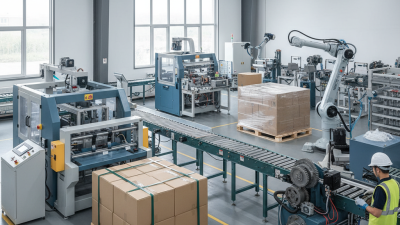
The industrial packaging sector is rapidly evolving. As businesses seek ways to enhance supply chain efficiency, new technologies emerge. One of the most promising developments is automation. Automated systems reduce human error and increase processing speed. They handle packaging tasks like filling, sealing, and labeling. This shift not only streamlines operations but also cuts labor costs.
Another trend is the integration of smart technologies. These innovations allow for real-time tracking of packages. Companies can monitor inventory levels and shipping statuses continuously. This transparency fosters better decision-making. However, the reliance on technology raises concerns about data security. Protecting sensitive information must be a priority.
Sustainability is also shaping the future of industrial packaging. Manufacturers are exploring eco-friendly materials. Biodegradable packaging aims to reduce environmental impact. While advancements are encouraging, challenges remain. The balance between durability and sustainability can be tricky. Companies must rethink their materials while maintaining quality. There’s still much to learn about optimizing packaging solutions that benefit both the environment and the supply chain.