10 Best Carton Sealing Machines for Packaging Buyers?

Choosing a carton sealing machine is not just a question of speed. Buyers must match case sizes, tape or adhesive, line layout, and daily volume. A poor fit can leave loose flaps, uneven tape, or recurring stoppages beside the conveyor. Those small failures add up.

Demand gives the decision real weight. The U.S. Census Bureau reported that U.S. retail e-commerce sales reached $1.1926 trillion in 2024, representing 16.1% of total retail sales. PMMI’s 2024 State of the Industry report also examines automation and workforce pressures affecting packaging operations. Together, these sources help explain why buyers are evaluating reliable, easy-to-operate equipment—not just headline speed. Still, no machine is magic.

This guide compares 10 carton sealing machines for different packaging needs, from compact shipping areas to higher-volume production lines. We consider sealing consistency, changeover time, operator access, maintenance, and the range of case sizes each machine can handle. A tape head that is easy to thread matters when a roll runs out mid-shift. So does adjustment that does not require a toolbox and a long pause. Buyer priorities vary. A fast machine may be the wrong choice for a line with frequent carton changes. The rankings offer a practical starting point, not a substitute for testing actual cartons on your own line. That limitation deserves attention.
10 Best Carton Sealing Machines for Packaging Buyers?

What Carton Sealing Machines Do in Packaging Operations

Carton sealing machines close filled cases with tape or hot-melt adhesive, depending on the equipment and packaging line. During daily operations, guides help keep cartons aligned as they move through sealing. Operators adjust them to fit different case widths and heights. A consistent seal can help prevent flaps from opening during handling and make cartons easier to stack. It cannot fix weak cartons or poor packing. Small details matter.

On a semi-automatic line, a worker may fold the flaps and feed each carton into the machine. Automatic systems can reduce manual handling, but they need steady carton dimensions and adequate spacing. Tape heads, rollers, and sensors also need routine inspection. A misaligned guide can leave tape crooked; worn rollers may disrupt carton movement. The first setup is rarely perfect. Some adjustments are normal.

Tips: Check the tape path and guides before a shift. Run several sample cartons, then inspect the seals and corners. Record settings that work for each carton size. A rushed changeover can still cause mistakes.

Key Factors to Compare Before Choosing a Carton Sealer

When comparing carton sealers, start with your real box mix, not the advertised maximum speed. Measure the smallest and largest cartons, their weight, and daily volume. Then check whether the machine handles both without awkward manual adjustments. Fit matters. A narrow size range may suit a steady line; frequent size changes call for accessible guides and quick adjustments. Watch the changeovers.

Sealing quality depends on tape width, carton flap alignment, and consistent pressure. Ask for a test using your own cartons, including recycled board with dusty or uneven surfaces. Check for loose tape ends and crushed corners. These details can disrupt downstream handling. Also inspect guards, jam access, and operator reach. The U.S. Bureau of Labor Statistics recorded 2.6 million nonfatal workplace injury and illness cases in private industry in 2023; that figure is not specific to packaging, but it makes safe, ergonomic access worth checking.

Compare total operating demands, not just purchase price. Pneumatic models need a suitable air supply. The U.S. Department of Energy’s Improving Compressed Air System Performance sourcebook estimates that leaks can waste 20–30% of compressor output. That is a system-wide estimate, not a carton-sealer figure, but it highlights the cost of overlooking air use. Ask about tape changes, routine cleaning, spare parts, and service intervals. A small maintenance task can become a daily nuisance. Test before deciding.

Carton Sealer Throughput: Typical Operating Ranges

Compare indicative cartons-per-minute ranges across common carton-sealing setups. Throughput varies with carton size, operator pace, tape changes, and line integration.

Use these ranges for initial planning, not as guaranteed machine ratings. Before choosing, confirm the supplier’s rated speed with your carton dimensions, required changeover frequency, and production-line layout.

Types of Carton Sealing Machines and Their Best Uses

Carton sealing machines differ mainly in how much adjustment and operator involvement they require. Manual machines suit low-volume packing, short runs, and varied box sizes. An operator folds each carton’s flaps and guides it through the tape head. It is simple, but repetitive work can slow a busy line.

Semi-automatic machines seal cartons after an operator closes the flaps and feeds each box into the machine. They work well for small and mid-sized facilities with steady, moderate output. Fixed-size machines are efficient when cartons rarely change dimensions. Random-size machines adjust to different carton heights and widths, which helps fulfillment teams handling mixed orders. That flexibility has a cost: setup and maintenance can be more involved.

For higher-volume lines, automatic machines can fold flaps and seal cartons with less hands-on handling. Top-and-bottom belt machines grip cartons from above and below, making them useful for heavier boxes or faster conveyor lines. Side-belt models drive cartons using belts along their sides; they can suit lighter, narrower packages. Check carton weight, board strength, and line speed before choosing. A machine that runs quickly in a test may struggle with bowed flaps or dusty tape. Not always obvious. Even a well-matched system needs occasional adjustment as carton sizes and packaging materials change.

Ten Carton Sealing Machines for Packaging Buyers to Consider

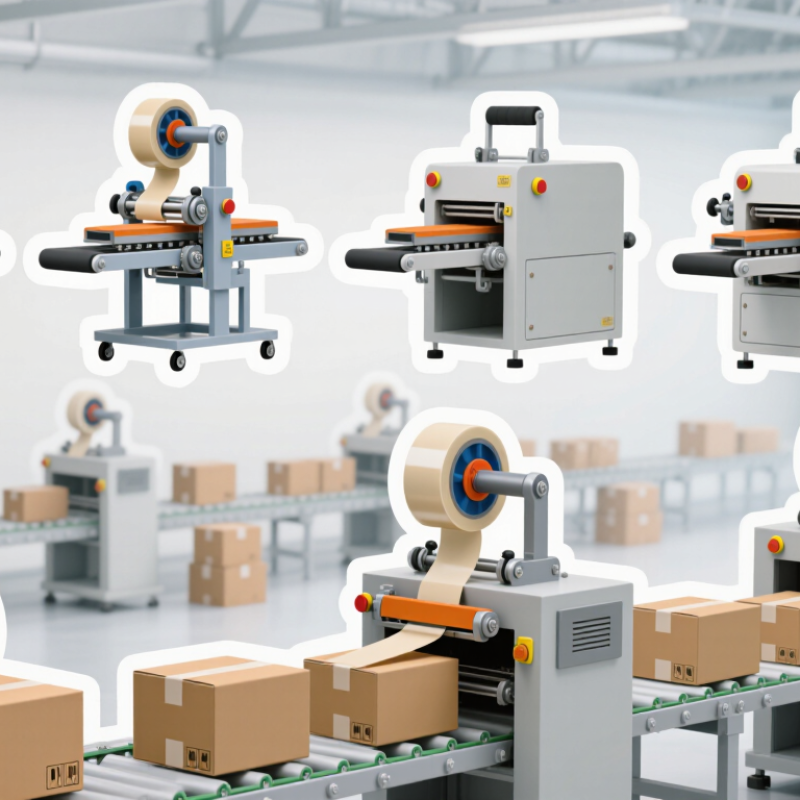
Packaging buyers can consider ten carton-sealing setups, though some overlap. A manual tape sealer suits low-volume work; an operator guides each box through the tape head. A semi-automatic uniform-carton machine handles repeated box sizes with less hand-taping. Fixed-format automatic sealers suit stable production runs. Random-size machines adjust to varying carton dimensions, but need accurate sensing. Top-and-bottom sealers apply tape to both flaps in one pass. Small details matter.

Side-belt machines grip narrower cartons along their sides, while center-belt designs support larger, heavier cases. Water-activated tape machines moisten the tape before application, creating a firm bond that needs drying time. Hot-melt sealers apply heated adhesive, so buyers should check maintenance and safe operating procedures. A case-erector-and-sealer combination forms flat blanks and seals filled cartons in a connected line. That sounds tidy. It rarely stays tidy. Ask suppliers to test your actual cartons, tape, and throughput, then inspect seal alignment and changeover steps. A machine that performs well on one sample may struggle with dusty surfaces, soft cartons, or frequent size changes.

10 Best Carton Sealing Machines for Packaging Buyers? - Ten Carton Sealing Machines for Packaging Buyers to Consider

Machine Type How It Works Carton Format Typical Closure Indicative Throughput Best Suited For
Manual carton sealer An operator folds the flaps, positions the carton, and applies the seal using a hand-operated or bench-mounted unit. Cartons handled one at a time; size changes are generally made manually. Pressure-sensitive carton-sealing tape About 1–3 cartons per minute Low-volume packing, occasional shipments, and workstations with frequent carton changes.
Semi-automatic uniform-size sealer The operator feeds cartons of a consistent size; powered belts convey them through the taping heads. One main carton size per setup; manual adjustment is typically needed for size changes. Top-and-bottom tape sealing About 8–15 cartons per minute Steady production lines that pack a limited range of carton sizes.
Semi-automatic random-size sealer Side belts convey cartons while sensing or adjustment mechanisms accommodate varying carton dimensions. Mixed carton sizes within the machine’s specified adjustment range. Top-and-bottom tape sealing About 8–15 cartons per minute Order fulfillment and packing operations with frequent carton-size changes.
Automatic uniform-size sealer Powered conveying and sealing handle a continuous flow of cartons set to a consistent size. One carton size per setup, with adjustment required when dimensions change. Top-and-bottom tape sealing About 15–30 cartons per minute Higher-volume lines producing a consistent carton format.
Automatic random-size sealer Carton sensors or sizing mechanisms adjust the machine as cartons of different sizes pass through. Variable carton sizes within the machine’s rated length, width, and height limits. Top-and-bottom tape sealing About 10–20 cartons per minute Distribution and e-commerce operations processing mixed-size orders.
Side-belt carton sealer Belts contact the carton sides to drive it through the sealing section; this configuration can help convey narrower or lighter cartons. Usually configured for a defined size range; size adjustment depends on the machine. Top-and-bottom tape sealing About 8–20 cartons per minute Lines where carton stability or side contact is important during conveying.
Flap-folding carton sealer Guides or folding mechanisms close the top flaps before the carton enters the sealing heads. Typically suited to cartons within a specified size range and flap style. Top-and-bottom tape sealing About 10–25 cartons per minute Lines seeking to reduce manual flap-folding work before sealing.
Water-activated tape sealer The machine moistens gummed tape and applies it to the carton; the adhesive bonds with the paper surface as it dries. Cartons compatible with the selected tape width and machine setup. Water-activated paper tape About 6–15 cartons per minute Shipments needing a paper-based closure or a tape bond that adheres to the carton surface.
Hot-melt adhesive case sealer Heated adhesive is applied to carton flaps, which are then pressed together while the bond sets. Usually configured for a defined carton range and adhesive pattern. Hot-melt adhesive About 10–25 cartons per minute Production lines that use adhesive closure instead of applied tape.
Integrated case erector and sealer A connected system forms cartons from flat blanks and transfers them to a sealing section after packing. Often set up for a selected carton format; changeover requirements vary by system. Usually tape or hot-melt adhesive About 8–20 cartons per minute Packaging lines looking to connect carton forming and sealing into a coordinated process.

Note: Throughput figures are indicative ranges, not guaranteed machine specifications. Actual output depends on carton dimensions, line layout, operator handling, changeovers, and the selected sealing material. Confirm the rated carton range and speed with the equipment supplier before purchasing.

How to Match a Carton Sealer to Your Production Line

10 Best Carton Sealing Machines for Packaging Buyers?

How to Match a Carton Sealer to Your Production Line

Choosing a carton sealer starts with the cartons, not the machine catalog. Measure your smallest and largest box, then check whether sizes change often during a shift. A fixed-size sealer suits steady runs; an adjustable model handles frequent changeovers. Match the machine’s rated speed to your real line output, including pauses for labeling or weighing. Faster is not always better. If the sealer outruns the upstream conveyor, boxes may bunch at the infeed. PMMI’s 2023 State of the Industry report put U.S. packaging machinery shipments at $10.9 billion in 2022, reflecting the scale of investment buyers are making in packaging equipment. Still, headline market growth cannot tell you which configuration fits your floor.

Check the tape type, carton condition, and available space before selecting top-and-bottom or side-belt drive. Light cartons can skew if belts grip unevenly; dusty flaps may also weaken tape contact. For a mixed-SKU line, test real cartons at normal speed and record jams, tape breaks, and changeover time. A short trial may reveal what a specification sheet misses. Also confirm access for cleaning and routine adjustments, especially beside guards or conveyor supports.

Tips: Bring three representative carton sizes to a supplier trial. Ask operators to run the changeover themselves, then note how long it takes. Leave room for imperfect results; one test rarely captures a full shift.