How to Use Transparent Shipping Labels for Efficient Supplies?
transparent shipping labels are becoming essential tools for efficient supplies. They offer a unique blend of functionality and clarity, enabling businesses to streamline their operations. When used correctly, transparent shipping labels enhance the professional appearance of packages. They also improve the tracking and identification process, which is crucial for timely deliveries.
In an age where presentation matters, transparent shipping labels stand out. However, it's vital to ensure proper alignment when printing. Misalignment can lead to wasted materials and confusion in your shipping process. Thoughtful design choices can elevate the customer experience, but mistakes might hinder that.
While the advantages are clear, challenges may arise. Finding the right adhesive can be tricky. The last thing you want is a label that peels off during transit. Balancing clarity and durability is key to making effective label choices. By understanding these dynamics, businesses can harness the full potential of transparent shipping labels.
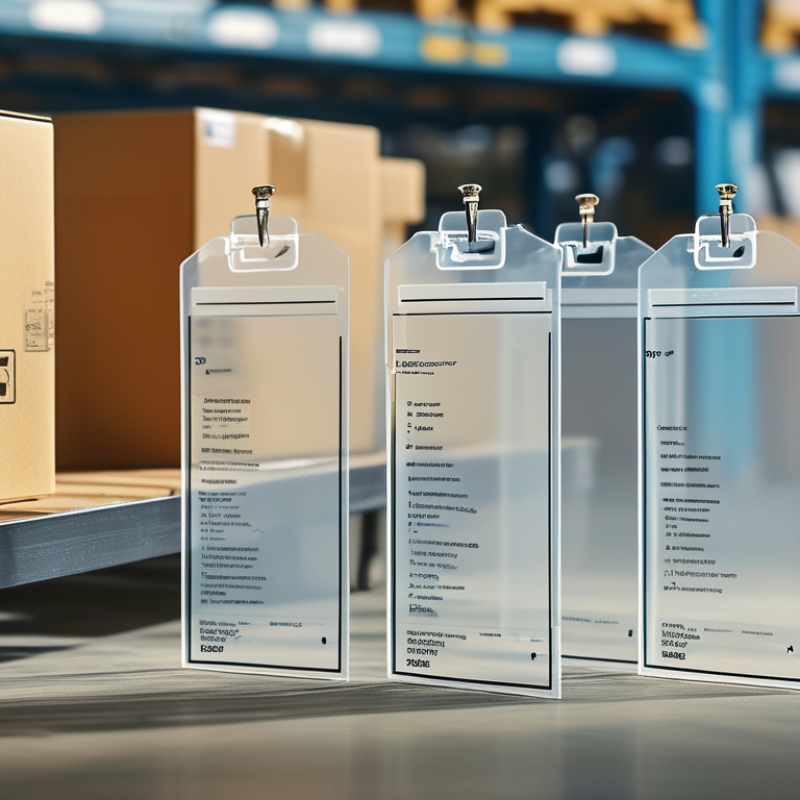
Understanding Transparent Shipping Labels: Overview and Benefits
Transparent shipping labels are increasingly popular among businesses for various reasons. They provide a clean look for packaging without distracting from the product inside. When printed with high-quality ink, these labels offer vibrant colors and sharp text, enhancing the overall presentation of shipments. This clarity can foster a professional image for companies that prioritize customer experience.
One of the significant benefits is the ability to display information without obscuring the packaging. Customers can easily see the labels, which contain essential shipping details. This feature can reduce misunderstandings and errors during the delivery process. However, one challenge arises when the shipping label doesn't adhere properly to textured surfaces, leading to potential misplacement. Businesses should test their label application methods on different materials to find the best fit.
Transparent labels are also eco-friendly, aligning with sustainability goals. Companies can choose materials that decompose more easily than traditional labels. Nevertheless, some businesses may overlook the printing specifications, risking the durability of the ink against environmental factors like moisture. Continuous evaluation of both label design and printing practices is essential for achieving the best results.
Best Practices for Designing and Printing Transparent Shipping Labels
Designing and printing transparent shipping labels can significantly enhance your logistical efficiency. Proper design ensures clarity and effectiveness. Research indicates that nearly 70% of consumers consider packaging influences their buying decisions. To stand out, use bold fonts and vibrant colors that contrast well with your label's background, ensuring essential information is easily legible.
When printing, choose high-quality materials that withstand various environmental conditions. Studies show that labels that can resist moisture and UV exposure have reduced failure rates by over 30%. This durability is critical for maintaining visual appeal during transit. Regularly examine your printing process to identify areas for improvement, as inconsistent quality can lead to miscommunication.
Consider the size and shape of your labels. An awkwardly sized label may lead to a poor fit, making it difficult to read. A/B testing different designs can yield insights into what works best. Regular feedback from your shipping and logistics team can highlight overlooked design flaws. Focusing on user experience can ultimately lead to better customer satisfaction and fewer return shipments.
Key Considerations for Label Adhesion and Durability in Shipping
Choosing the right adhesive for transparent shipping labels is essential. The adhesion quality will determine how well the labels stay on packages during transport. Consider the surfaces to which you will apply the labels. Some materials, like plastic, require specific adhesives to ensure a strong bond. Conducting a peel test can be helpful. A simple test helps reveal whether your label adheres well or falls off easily.
Durability is another crucial factor. Labels must withstand environmental factors such as moisture, heat, and rough handling. Ideally, use labels designed to be weatherproof and resistant to tearing. If a label smudges or tears, it can lead to delivery delays. Pay attention to the storage conditions as well. Labels kept in humid or excessively warm environments can lose their adhesive properties.
There is also the need to reflect on the overall appearance of your labels. While transparency offers a clean look, ensure that the printing quality is high. Blur or pixelation can diminish your brand image. Not all printers handle transparent labels well, so testing is advisable. Be prepared for a few failures before achieving perfect results. Fine-tuning these aspects can significantly enhance your shipping efficiency.
How to Use Transparent Shipping Labels for Efficient Supplies? - Key Considerations for Label Adhesion and Durability in Shipping
| Dimension | Description | Importance |
| Label Material | Use durable materials that are resistant to moisture and tearing. | Ensures longevity during transit. |
| Adhesive Quality | Select adhesives suitable for various surfaces and temperatures. | Prevents labels from peeling off in transit. |
| Print Quality | High-resolution printing for clear text and barcodes. | Improves scanning efficiency and reduces errors. |
| Environmental Factors | Consider temperature, humidity, and sunlight exposure. | Enhances overall label performance. |
| Label Size | Choose sizes that fit the packaging requirements and visibility. | Affects the label's effectiveness in communication. |
Impact of Transparent Shipping Labels on Supply Chain Efficiency
Transparent shipping labels have gained traction in supply chain management due to their potential to enhance efficiency. By offering a clear view of package contents, these labels reduce the time spent on sorting and inspection. According to a 2022 report from Logistics Management, companies that utilize transparent labels have seen a 25% decrease in processing time. This improvement is attributed to reduced ambiguity in logistics handling.
Implementing transparent shipping labels can also minimize errors. When labels are easy to read, the chances of mislabeling goods decrease. A study by the Council of Supply Chain Management Professionals revealed that using clear labels can cut misdelivery rates by 15%. This contributes to lower customer complaints and improves overall satisfaction.
Here are a few tips for getting the most from transparent labels. Choose a high-quality printing solution to ensure visibility. Consider using labels that are water and tear-resistant. Regularly review your labeling process for areas of improvement. Identify bottlenecks in your current supply chain and seek feedback from team members. Transparent shipping labels can drive efficiency, but ongoing evaluation is key.
Cost Analysis: Investing in Transparent Labels for Business Efficiency
Transparent shipping labels can significantly enhance business efficiency. A recent study found that inefficient labeling processes can lead to over 15% wasted time in packaging operations. Investing in high-quality transparent labels can streamline logistics and improve overall productivity. These labels provide clear visibility of contents, reducing the risk of errors during shipping.
Cost analysis reveals that while transparent labels may seem pricier upfront, they can lead to long-term savings. Research indicates that companies that switched to clear labels saw a 20% decrease in shipping mistakes. Errors not only inflate costs but also damage customer trust. Improved accuracy translates into better customer satisfaction and retention rates, which are crucial for sustaining a competitive edge.
Moreover, transparent labels are versatile. They can bond with various surfaces, making them adaptable for different package types. However, it's essential to consider the specific materials used in label production. Even minor imperfections can impact durability. Evaluating these aspects ensures that investments yield reliable returns, enhancing the overall shipping experience.