Top 10 Packing Equipment Every Business Needs for Efficient Operations?

In the fast-paced world of business, packing equipment plays a pivotal role. According to a report by MarketsandMarkets, the global packaging equipment market is projected to reach $45 billion by 2028. This growth reflects the increasing demand for efficient operations in various industries, including food, pharmaceuticals, and e-commerce. Companies that prioritize the right packing equipment can significantly enhance their productivity and reduce operational costs.

Every business must invest in essential packing equipment to streamline processes. For instance, automated packing systems can reduce labor costs and increase output. However, not all businesses recognize the importance of investing in quality packing solutions. Some might overlook the advantages of modern technologies, leading to inefficiencies and wasted resources.

Understanding the specific needs of your operations is critical. Selecting the wrong packing equipment can hinder your workflow. It is crucial to evaluate your current packing processes closely. Reflecting on past experiences can guide future decisions and ensure a faster, more efficient operation. Embracing a comprehensive packing strategy can be the key to success.
Top 10 Packing Equipment Every Business Needs for Efficient Operations?

Essential Types of Packing Equipment for Different Industries
Top 10 Packing Equipment Every Business Needs for Efficient Operations?

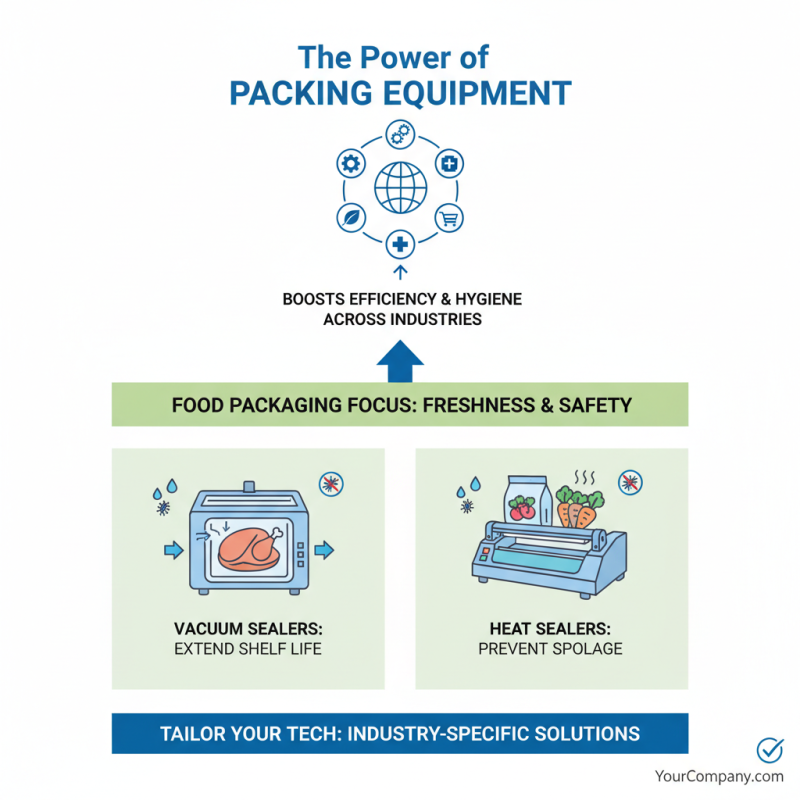
Packing equipment plays a vital role in every industry. Knowing the specific needs of your sector can enhance efficiency. For example, food packaging requires hygiene-focused equipment. This includes vacuum sealers and heat sealers. They help maintain freshness and prevent spoilage.

In retail, automated packing machines speed up packaging. They save time and labor costs. Additionally, for fragile items, bubble wrap dispensers are essential. They protect products during transport. Packing peanuts and foam also ensure safety.

**Tip**: Regularly evaluate your packing processes. Identify bottlenecks and outdated equipment. This reflection can lead to improvements.

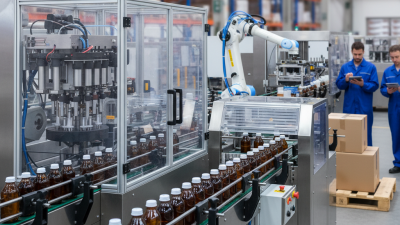
Consider the pharmaceuticals industry. Here, specialized packing machines ensure compliance with regulations. Temperature and humidity control are critical in this field. Do not overlook the importance of labels. Clear labeling minimizes errors and enhances safety.

**Tip**: Invest in training for your staff. Proper usage of equipment reduces mistakes. This effort can yield long-term benefits.
Key Features to Consider When Selecting Packing Equipment

Top 10 Packing Equipment Every Business Needs for Efficient Operations?

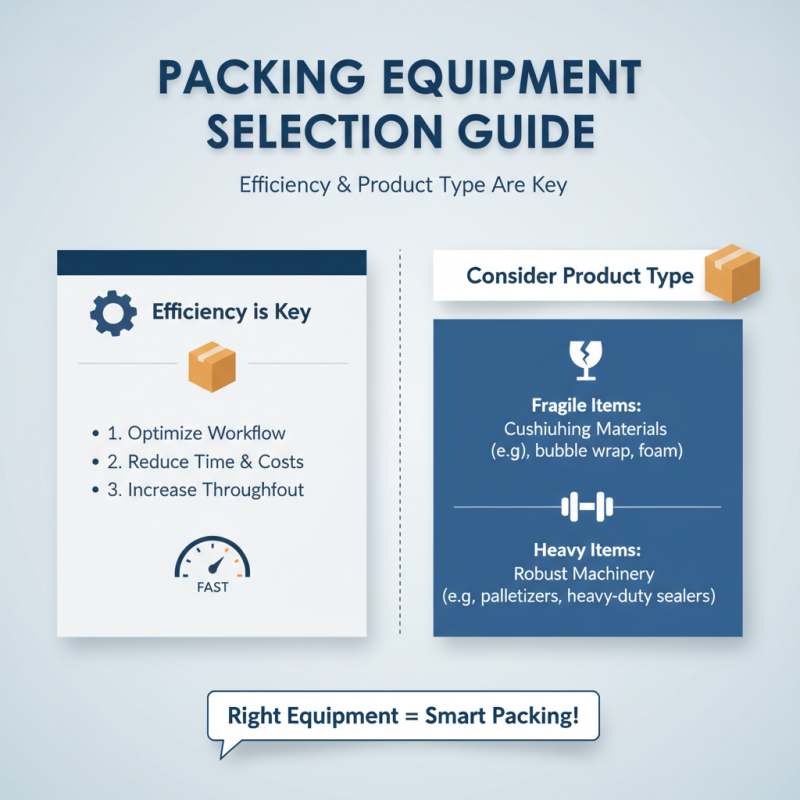
When selecting packing equipment, efficiency is key. Consider the type of products you'll pack. Different items require specific equipment. For example, fragile items need cushioning materials. Heavy items may require robust machinery.

Durability is another crucial feature. Equipment should withstand daily use. Look for materials that resist wear and tear. This ensures long-term use and reliability. Neglecting this aspect can lead to frequent replacements. Not ideal for a budget-conscious business.

Another point to reflect on is the ease of use. Complicated machines can slow down operations. Ensure staff can operate equipment without extensive training. Intuitive design saves time and mistakes.

Tips: Regular maintenance is essential for longevity. Schedule routine checks on all equipment. Train employees on best practices for packing and unpacking. This reduces damage and loss. Always evaluate your setup to adapt to changing needs. Be ready to adjust as your business grows.

The Role of Automation in Modern Packing Solutions

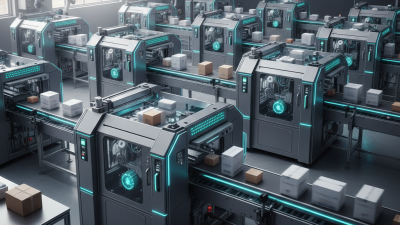
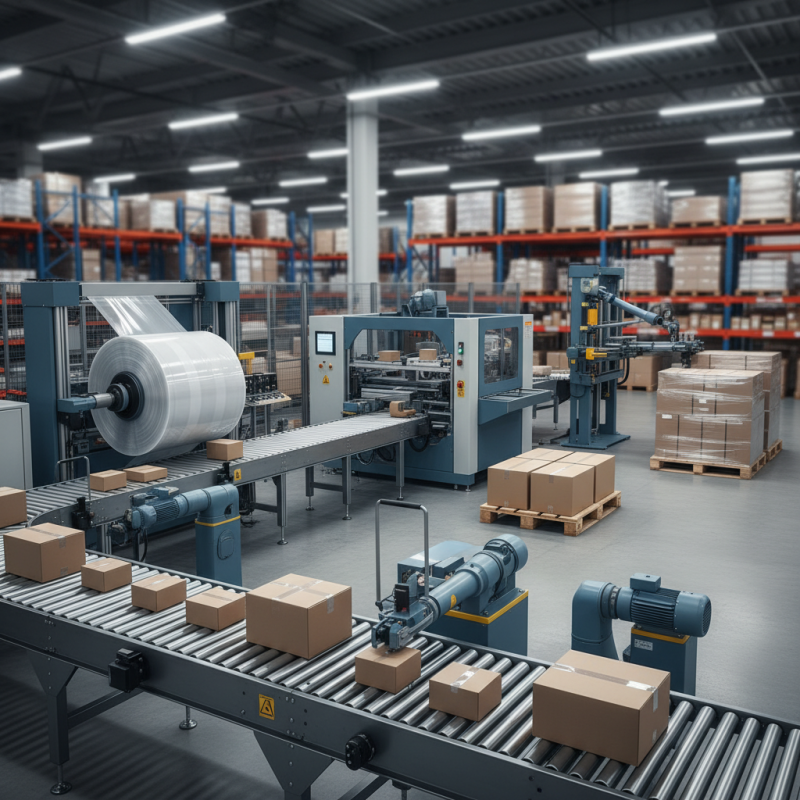
In today's fast-paced business environment, automation is reshaping packing operations dramatically. Automated systems reduce human error, which can lead to costly mistakes. They ensure products are packed accurately and consistently. Automation speeds up processes, enabling businesses to meet growing demands effectively.

Many businesses overlook the importance of integration. Stick to systems that can communicate with existing software. A well-integrated solution enhances workflow efficiency. It’s essential to assess your specific needs before investing in automation technology. Not all solutions suit every business type. Flexibility is key, as your requirements may change over time.

Tips: Consider implementing small-scale automation first. Test the waters without significant investment. Monitor performance closely. Identify areas needing improvement. Regularly train your staff on the new tools. Employee engagement in automation helps ease the transition, making them feel valued. Embrace automation but remember to adapt and refine your strategy continuously.

Top 10 Packing Equipment Every Business Needs for Efficient Operations

This chart illustrates the top 10 packing equipment that businesses need for efficient operations, ranked by their importance level on a scale of 1 to 10. Automated packing machines lead the list, highlighting the increasing role of automation in modern packing solutions.

Cost-Effective Packing Equipment for Small to Medium Enterprises

Efficient operations rely heavily on the right packing equipment. For small to medium enterprises, cost-effective solutions are essential. Investing wisely in tools can streamline processes. Consider simple items like packing tape dispensers, which enhance speed and accuracy. Handheld devices may seem basic, but they can significantly reduce time spent sealing packages.

Another important item is a lightweight, adjustable packing table. This can adapt to different tasks, improving workflow. A well-organized table saves space and minimizes clutter. Many startups overlook this. They rely on makeshift setups, which can lead to inefficiencies. It's a simple change that can elevate operation quality.

Automated solutions, like a modest strapping machine, can also boost packing efficiency. However, some businesses hesitate due to upfront costs. A careful analysis of savings from time and labor might show it as a worthwhile investment. Balancing cost with efficiency often leads to better long-term outcomes. Most businesses find that basic equipment is often what they need to advance, yet they may not always see the potential in these tools.

Maintenance Tips for Ensuring Longevity of Packing Equipment

Maintaining packing equipment is crucial for any business. Regular maintenance extends the life of machines and reduces costly downtime. Inspecting equipment often can help prevent small issues from becoming large problems. Look for wear and tear regularly. Lubrication is key. It reduces friction and keeps machines running smoothly.

Keeping a clean workspace is also important. Dust and debris can damage equipment over time. Clean surfaces ensure efficiency. Replace worn parts as soon as possible. This helps maintain the performance of your equipment. It’s easy to forget small details like this. Neglecting them can lead to bigger issues later on.

Employee training should not be overlooked. Staff need to use equipment correctly. Misuse can cause breakdowns or accidents. A well-informed team can identify problems early. They know how to handle equipment safely. Failing to invest time in training can be a mistake. A proactive approach pays off in the long run.