Top Industrial Control Valves Manufacturers You Should Know?
In the complex world of engineering and manufacturing, the role of Industrial Control Valves Manufacturers stands out significantly. These companies are critical in ensuring that processes run smoothly and efficiently. They design and produce valves that regulate fluid flow, contributing to safety and operational efficiency in various industries.
Choosing the right manufacturer can be a daunting task. The market is filled with numerous players, each boasting advanced technology and unique designs. Understanding their reputations and capabilities is essential for making informed decisions. This can require extensive research and input from industry professionals.
Many manufacturers prioritize quality and innovation, but not all meet the same standards. Some may excel in product variety, while others focus on customer service. Evaluating these factors can lead to better choices. In this article, we’ll explore notable Industrial Control Valves Manufacturers, offering insights to guide your selection process.
Overview of Industrial Control Valves and Their Applications
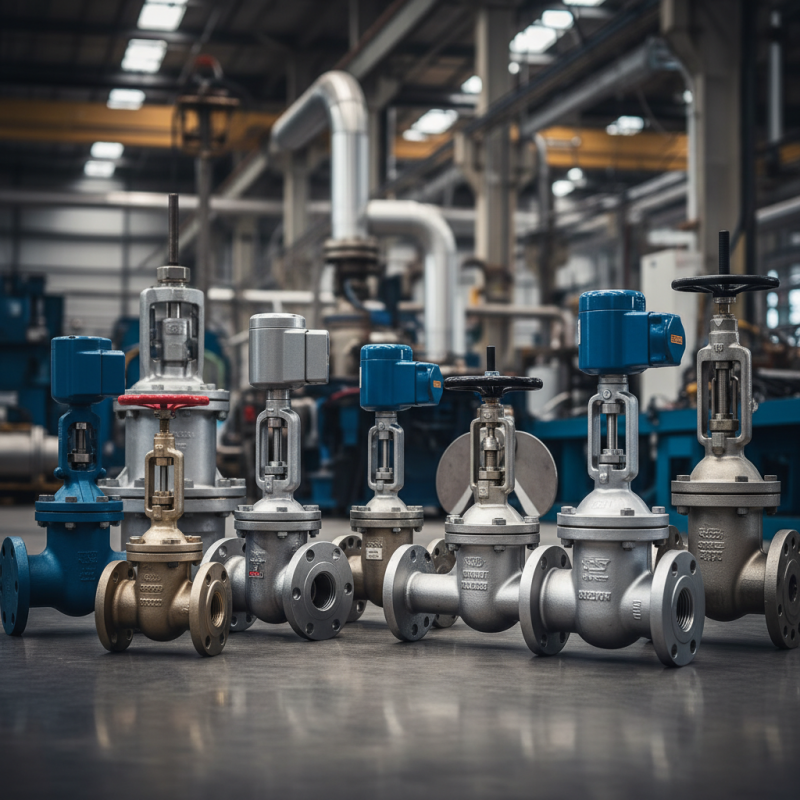
Industrial control valves play a crucial role in various sectors, including oil and gas, water treatment, and manufacturing. These valves regulate the flow of liquids and gases, ensuring processes run smoothly and efficiently. Accurate control prevents leaks, saves energy, and enhances safety in operations. Each valve type is designed to meet specific requirements, showcasing the diversity in applications.
The choice of an appropriate control valve hinges on understanding its function and installation context. For instance, some valves are better suited for high-pressure environments, while others excel in temperature control. However, not every valve performs flawlessly in every situation—misapplication can lead to system inefficiencies or failures. Continuous monitoring and periodic evaluations help maintain optimal performance.
In addition to technical specifications, the reliability of industrial control valves depends on the expertise of personnel involved in their selection and operation. Training staff on proper handling and installation is fundamental but often overlooked. Additionally, addressing maintenance promptly can avert costly downtimes. Understanding challenges in valve applications fosters improvement and innovation in industrial processes.
Key Features and Technologies of Industrial Control Valves
Industrial control valves are essential in managing fluid flow in various industries. These valves regulate flow, pressure, and temperature, ensuring systems operate efficiently. They can be found in manufacturing plants, water treatment facilities, and energy production. The design of these valves can vary, affecting their performance and application.
Key features of industrial control valves include their actuator types, such as pneumatic or electric, which determine their responsiveness. In addition to actuators, valve materials greatly influence durability. Common materials include stainless steel and plastic, each catering to specific environments. Technologies like smart valve controllers enhance control. They provide real-time data, improving decision-making. However, not all systems are equipped with such technology, leading to potential inefficiencies.
Understanding these features is vital for optimizing plant performance. Yet, many users overlook routine maintenance, which can lead to failures. Aging infrastructure poses additional challenges, highlighting the need for regular assessments. Familiarity with these aspects can enhance reliability and ensure smooth operations while reducing downtime. The selection process should not be taken lightly, as even small errors can result in significant consequences.
Leading Manufacturers in the Industrial Control Valve Market
The industrial control valve market is growing rapidly. Reports indicate a projected CAGR of 6.1% from 2022 to 2030. This growth is due to increased demand in sectors such as oil and gas, water treatment, and chemical processing. Reliable data shows that the oil and gas sector alone accounts for over 30% of the market share. This indicates the significant role these valves play in operational efficiency.
Key manufacturers are focusing on innovation and automation. Many are integrating IoT capabilities into their products, enhancing remote monitoring and control. However, adopting these technologies presents challenges. Issues like cybersecurity threats and installation complexities need addressing. Proper training and thorough understanding are crucial for users. The balance between advanced features and usability remains a topic for improvement.
Market analysis suggests that emerging economies are also driving demand. As industries expand, the need for effective fluid and gas management systems increases. This provides opportunities for manufacturers to explore new markets. Yet, standardization across different regions poses difficulties. Keeping up with regulations and certification processes is vital for success. These factors illustrate the dynamic nature of the industrial control valve sector.
Top Industrial Control Valves Manufacturers You Should Know
| Manufacturer Location | Market Share (%) | Product Type | Annual Revenue (Million USD) | Years in Operation |
| USA | 25 | Ball Valves | 650 | 50 |
| Germany | 20 | Gate Valves | 500 | 45 |
| China | 18 | Butterfly Valves | 400 | 40 |
| Japan | 15 | Check Valves | 350 | 30 |
| Italy | 12 | Pressure Relief Valves | 300 | 35 |
Criteria for Evaluating Industrial Control Valve Suppliers
When evaluating industrial control valve suppliers, companies should consider several key criteria. The supplier's technical expertise is crucial. A deep understanding of valve technology ensures that the products meet the specific needs of various applications. Look for suppliers who have knowledgeable staff and can provide tailored solutions.
Quality assurance is another vital aspect. Reliable suppliers maintain high manufacturing standards and conduct rigorous testing. Certifications and compliance with industry standards signify commitment to quality. It's essential to verify these credentials, as they reflect a supplier's reliability.
Additionally, consider the supplier’s customer support. Effective communication and support during the purchasing process are important. After-sales service can greatly affect the long-term performance of the valves. Suppliers should be responsive and capable of addressing any issues promptly.
Despite these guidelines, companies often find themselves struggling to identify the best fit for their needs and wrestling with choices amidst many options.
Future Trends in Industrial Control Valve Manufacturing and Design
The future of industrial control valve manufacturing is marked by significant trends that promise to enhance efficiency and productivity. One major focus is on smart technology integration. Many manufacturers are now exploring IoT capabilities. A recent report indicates that the global smart valve market could see a compound annual growth rate (CAGR) of around 17% by 2027. This shift towards automation can minimize human error and allow for real-time monitoring.
Sustainability is another key trend reshaping the industry. Companies are recognizing the importance of environmentally responsible practices. Studies show that valves made from recycled materials can lead to a 30% reduction in production waste. This focus on eco-friendly solutions reflects the increasing pressure from regulatory bodies and customer expectations alike.
To stay competitive, manufacturers must adapt to changing customer needs. Customization is becoming a necessary element in valve design. Recent surveys indicate that over 60% of end-users prefer valves tailored to their specific applications. This demand can challenge traditional production processes and may require additional resources to achieve flexibility. Ultimately, the industry is at a crossroads, requiring innovation and reflection on established practices.