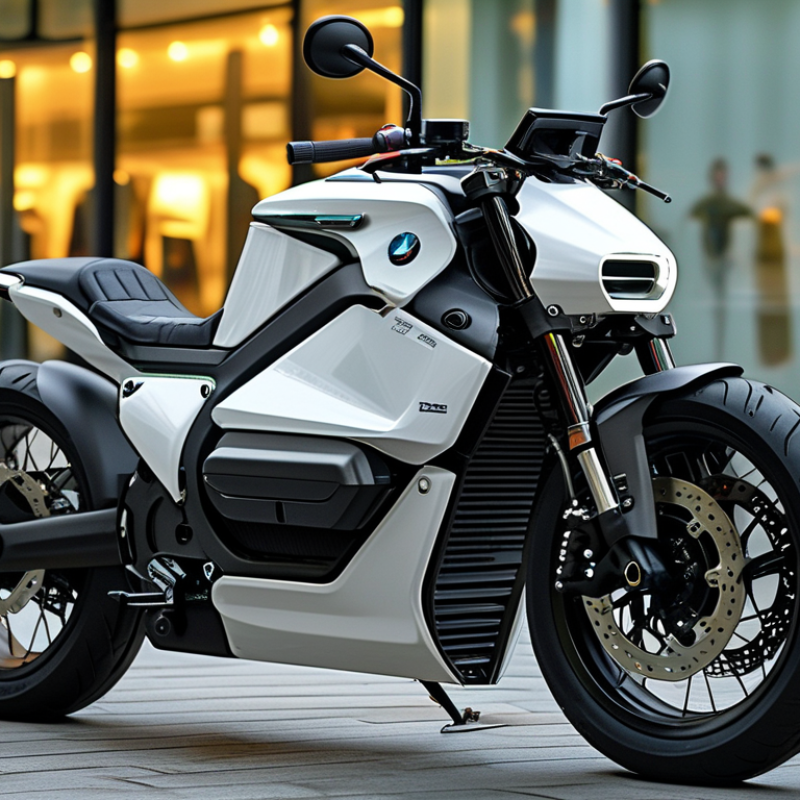
Top E-Motorcycle Trends for Global Buyers in 2026?
As we approach 2026, the electric motorcycle market is set to undergo significant changes. E-Motorcycle innovations are shaping the future for global buyers. This transformation comes in response to evolving consumer preferences and technological advancements.
Sustainable riding is becoming more crucial. Many consumers are seeking eco-friendly alternatives. E-Motorcycles are positioned to meet this demand effectively. With advancements in battery technology, these vehicles are now more reliable and efficient. This makes them attractive for urban commuting and leisure riding.
However, challenges remain. Infrastructure for charging is still developing in many regions. Buyers must consider the availability of charging stations. Furthermore, some consumers express concerns about range limitations. Overall, as E-Motorcycle trends evolve, understanding these factors will enhance the buying experience.
Emerging Technologies Driving E-Motorcycle Innovations in 2026
As we look ahead to 2026, e-motorcycle innovations are heavily influenced by emerging technologies. Advanced battery chemistry is transforming performance and range. Solid-state batteries, for instance, promise higher energy density and safety compared to traditional lithium-ion solutions. This could dramatically extend the distance riders can travel.
Another key trend is the integration of smart technology. Enhanced connectivity features will allow riders to connect their e-motorcycles with smartphones and other devices. This opens the door to real-time diagnostics and navigation support. Riders will appreciate having important data at their fingertips.
Tips: Always look for models that provide over-the-air (OTA) updates. This ensures your motorcycle stays current with the latest features.
Moreover, artificial intelligence is playing a crucial role in personalizing the riding experience. With AI, e-motorcycles can adapt to a rider’s habits. This can increase both safety and enjoyment while riding. However, it raises questions about data privacy. How will manufacturers handle sensitive information?
Tips: Research how a brand protects user data before making a purchase. This will give you peace of mind.
Key Design Trends Influencing E-Motorcycle Aesthetics and Functionality
As the electric motorcycle market evolves, aesthetic and functional design trends are gaining momentum. Reports indicate that by 2026, over 25% of motorcycle buyers prioritize eco-friendly materials. The shift towards sustainable production is reshaping the industry. Customers now seek bikes made from recycled or biodegradable components, which reduces the environmental impact.
Curved lines and minimalist designs are emerging as popular choices. A recent industry analysis reveals that 40% of consumers prefer sleek, futuristic aesthetics. However, designers also face challenges in merging these visuals with the practicality needed for daily use. Ergonomics must not be sacrificed for style; riders want comfort during long rides.
Moreover, technology integration is becoming crucial in design. Features like advanced lighting systems and smart connectivity appeal to younger consumers. While manufacturers aim for innovation, balancing cutting-edge tech with reliability remains complex. Feedback from early adopters often highlights the need for better durability in new models. Meeting high expectations while ensuring functionality is a continuous juggling act for designers in this dynamic landscape.
Sustainability Practices Shaping E-Motorcycle Manufacturing in 2026
In 2026, sustainability will greatly influence e-motorcycle manufacturing. More companies are adopting eco-friendly materials. Research shows that over 70% of manufacturers aim to reduce carbon footprints. This includes using recycled metals and biodegradable plastics. By doing so, they align with global climate goals.
The shift to sustainable practices isn't without challenges. Many manufacturers face high costs when sourcing eco-friendly materials. Moreover, the technology for efficient battery recycling is still developing. Industry reports indicate that battery disposal remains a pressing issue. It highlights the need for continuous improvement in recycling techniques.
Tips: Look for e-motorcycles made with sustainable materials. Check if the manufacturer has a clear recycling program. Supporting companies committed to sustainability can drive change in the industry. As consumers, our choices matter. Choosing greener options helps push the market toward better practices.
Consumer Preferences: What Global Buyers Seek in E-Motorcycles
As e-motorcycles gain popularity, global buyers are becoming more discerning. They seek high performance, reliability, and sustainability in their choices. Buyers desire models with impressive range capabilities, allowing them longer rides without frequent charging. A lightweight design is also favored, providing better handling and comfort.
Tips: Consider the battery quality. A robust battery not only extends range but also ensures longevity. Check user reviews for real-life performance insights.
Buyers prioritize smart technology integration. Features like GPS navigation and connectivity with smartphones are increasingly important. These functionalities enhance the riding experience, offering convenience and safety.
Tips: Explore post-purchase service options. After-sales support plays a critical role in buyer satisfaction. A strong warranty can reflect product reliability.
It’s essential for buyers to reflect on their specific needs. Different riders have different priorities, such as city commuting versus off-road adventures. Assessing personal preferences can avoid unnecessary purchases.
E-Motorcycle Market Growth: Predictions and Key Players for 2026
The global e-motorcycle market is poised for substantial growth by 2026. Industry reports suggest that the market could expand at a compound annual growth rate (CAGR) of nearly 30%. This rapid expansion is driven by increasing consumer interest in sustainable transportation and advancements in battery technology. The rising focus on reducing carbon emissions is prompting buyers to consider electric motorcycles as viable alternatives to traditional vehicles.
Key players in the market include manufacturers leveraging cutting-edge technologies and innovative designs. Research indicates that models featuring longer battery life and faster charging capabilities will dominate consumer preferences. Industry analysts recommend exploring options with competitive pricing as well. As different regions adopt distinct regulatory frameworks, understanding local policies will be crucial for global buyers.
Tip: When evaluating e-motorcycles, prioritize safety features and warranty options. Keep in mind that while e-motorcycles offer eco-friendly benefits, charging infrastructure may still lag in some areas. Always factor in the accessibility of charging stations in your area before making a purchase. A well-researched decision will enhance your overall experience and ensure a smoother transition to electric mobility.
Top E-Motorcycle Trends for Global Buyers in 2026
| Trend | Description | Market Growth (%) | Key Regions | Expected Price Range ($) |
| Smart Connectivity | Integration of IoT and smart features for enhanced user experience. | 15% | North America, Europe | 5,000 - 10,000 |
| Sustainable Materials | Use of eco-friendly materials in manufacturing for greener production. | 20% | Asia-Pacific, Europe | 6,000 - 12,000 |
| Battery Technology Advances | Improvement in battery technology leading to longer ranges and shorter charging times. | 25% | North America, Asia-Pacific | 7,500 - 15,000 |
| Enhanced Safety Features | Incorporation of advanced safety features such as collision detection and emergency braking. | 18% | Europe, North America | 8,000 - 14,000 |
| Customization Options | Increased offer of customization features to attract younger buyers. | 10% | Global | 5,500 - 11,000 |