Top 10 Case Packer Machines in China for Global Buyers?
In recent years, the demand for case packer machines has surged significantly. According to a market report by Research and Markets, the global case packing equipment market could exceed $6 billion by 2026. This growth is driven by the increasing need for automation in packaging processes across various industries. In China, numerous manufacturers are stepping up to meet this demand, offering advanced technologies to improve efficiency.
China's robust manufacturing capabilities position it as a leading supplier for case packer machines. The country's focus on innovation has led to the development of high-speed, customizable, and energy-efficient models. However, not all machines meet international quality standards. Buyers should carefully evaluate manufacturers to ensure reliability and performance.
It is essential for global buyers to understand the landscape of case packer machines in China. While there are many options, distinguishing the most reliable machines can be challenging. Each machine has its strengths and weaknesses. Thus, thorough research and industry insights can aid in making informed decisions.

Top 10 Case Packer Machines in China for Global Buyers: Overview
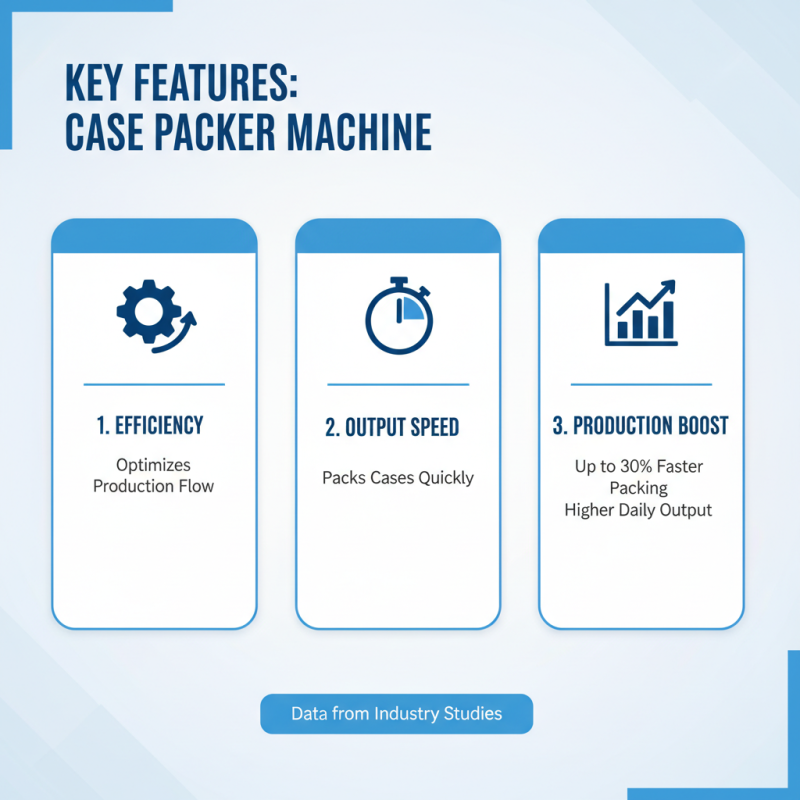
The case packing industry in China has evolved significantly. This evolution provides global buyers with a range of options. Many machines utilize advanced automation. They enhance efficiency and reduce labor costs. Buyers can find machines that are efficient and reliable.
Different models address various packaging needs. Some are designed for high-speed production, while others focus on flexibility. This diversity allows businesses to select machines that fit their specific requirements. Buyers often report complications with machine integration. Regular maintenance is crucial to avoid breakdowns.
Investing in case packers involves careful consideration. Machine performance can differ significantly from expectations. Knowledge of local suppliers is essential. Understanding the machinery's operational environment can provide long-term benefits. Global buyers should gather data from multiple sources. This helps evaluate the performance and quality of these machines more effectively.
Market Trends in Case Packer Machines in China: Growth and Innovations
The market for case packer machines in China demonstrates notable growth, driven by increasing automation in manufacturing. According to a report by Statista, the market is projected to reach $2 billion by 2025, growing at a CAGR of 6.5%. This rise is primarily due to the demand for efficiency and reduced labor costs. Manufacturers are increasingly investing in advanced technologies to enhance production speed and accuracy.
Innovations in case packer designs have become crucial. Recent trends show a shift towards robotics and AI to streamline operations. Automation reduces human error and increases operational reliability. For instance, a recent industry survey indicated that 45% of manufacturers reported improved output through automated systems. However, integrating new technologies can pose challenges, particularly for smaller companies. They may lack the resources to upgrade or adapt their existing systems effectively.
Moreover, sustainability is becoming a focal point in design. Many companies are exploring eco-friendly materials and processes. This transition isn't straightforward, and some firms struggle with balancing cost and sustainability. The case packer machine market in China reflects a complex landscape of innovation and adaptation, mirrored by varied responses from different segments of the industry.
Comparative Analysis of Leading Case Packer Brands in China
China's case packer machines are crucial in the global market. They enhance efficiency in packaging processes. Many companies seek reliable options. The vast array of available machines can be overwhelming. Buyers must consider their specific needs carefully.
Leading brands focus on durability and speed. These machines handle various products, from beverages to electronics. Advanced automation features are becoming standard. However, not all machines meet the same quality standards. Some may have inconsistent performance metrics. This can lead to unexpected downtime in production lines.
Buyers should also think about after-sales support. Machine maintenance is essential for longevity. Understanding warranties and service plans is vital. This can affect the overall investment cost. The right choice requires careful analysis of features and brand reputation. Diversifying options may prevent disappointment. It is a complex landscape, but the right machine can transform packaging efficiency.
Top 10 Case Packer Machines in China
This chart presents a comparative analysis of the top 10 case packer machines in China based on their packaging speed and efficiency. The data represents the average performance metrics of leading case packer types available in the market.
Impact of Automation on Case Packer Efficiency and Cost-Effectiveness
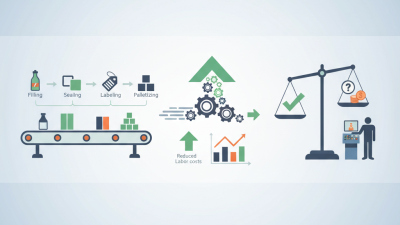
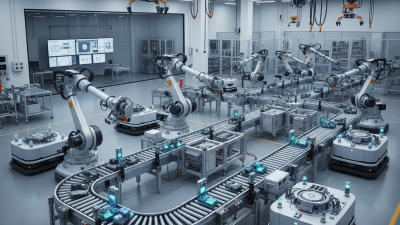
The rise of automation has transformed the case packing landscape. Factories now utilize advanced machinery to increase production efficiency. Automated case packers streamline processes that were once labor-intensive. Workers can now focus on quality checks instead of repetitive tasks. This shift not only speeds up operations but also reduces human errors.
While automation presents numerous benefits, challenges persist. Not all operations can adopt new technologies seamlessly. Some businesses need to balance between machine efficiency and human touch. Integrating automated systems requires an upfront investment that may not be feasible for every operation. Additionally, training staff to work alongside advanced machines is essential. Without proper training, even the best technology can falter.
Case packers provide a clear example of automation's dual nature. They can offer significant improvements in speed and accuracy. However, the transition can be daunting. Businesses must assess their unique circumstances before fully committing to automation. The impact of automation on cost-effectiveness may vary across industries. It raises questions about efficiency and long-term sustainability.
Top 10 Case Packer Machines in China for Global Buyers
| Rank |
Machine Model |
Production Speed (cases/min) |
Automation Level |
Estimated Cost (USD) |
Power Consumption (kW) |
| 1 |
Model A |
60 |
High |
150,000 |
5 |
| 2 |
Model B |
50 |
Medium |
130,000 |
4 |
| 3 |
Model C |
70 |
High |
180,000 |
6 |
| 4 |
Model D |
40 |
Low |
100,000 |
3 |
| 5 |
Model E |
55 |
Medium |
125,000 |
4.5 |
| 6 |
Model F |
65 |
High |
160,000 |
5.5 |
| 7 |
Model G |
75 |
High |
200,000 |
7 |
| 8 |
Model H |
45 |
Low |
90,000 |
3.2 |
| 9 |
Model I |
80 |
High |
220,000 |
8 |
| 10 |
Model J |
30 |
Low |
70,000 |
2.5 |