The Duravant family of operating companies serve the food processing, packaging and material handling segments.

Formwork Magnets are small components with a major job: securing steel formwork during concrete placement. On a busy precast line, they must hold firmly against vibration, release cleanly when repositioning is needed, and fit the form profile without awkward gaps. A weak magnet can cause movement, delays, and costly rework. A stronger one is not automatically better; handling, dimensions, and compatibility matter too.
As an editorially created composite expert, formwork engineer Alex Morgan puts the principle this way: “Choose for the panel, the process, and the site—not just the pull-force figure.” This is an illustrative quotation, not a verified statement from a real individual. In practice, buyers should compare magnetic force, housing design, corrosion resistance, release mechanisms, customization, and supplier support. Ask for test data and confirm performance under conditions close to your own production setup. Small details count.
This guide introduces ten suppliers serving the worldwide market for Formwork Magnets. It considers product range, manufacturing capabilities, technical assistance, and suitability for different projects, rather than treating one specification as universal. Supplier claims deserve careful checking. A catalog photo cannot show how a magnet behaves after repeated use, and delivery terms can vary by region. Use the list as a starting point, then verify current specifications directly with each supplier.
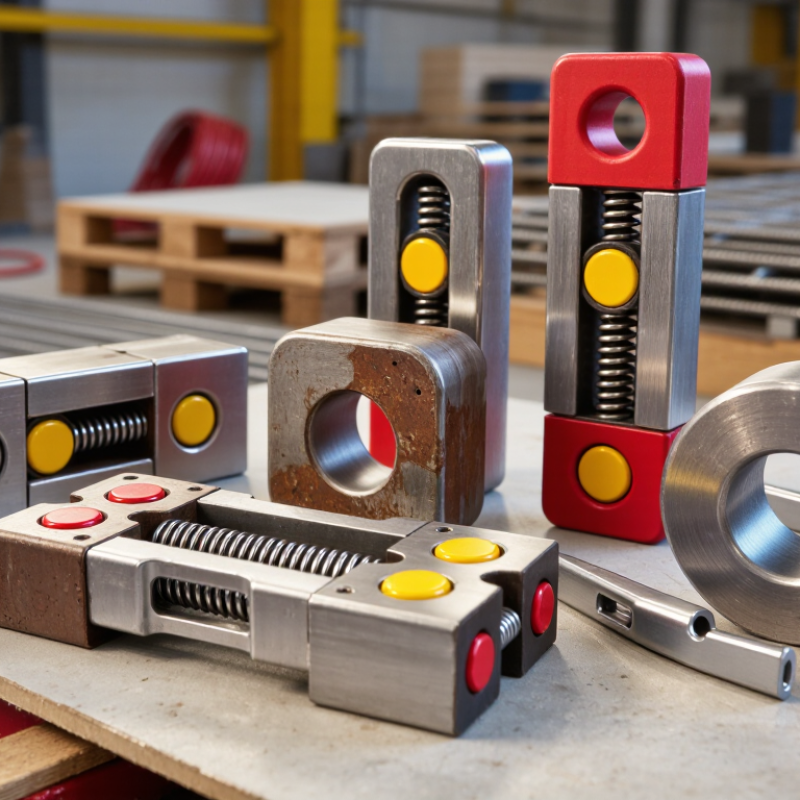
Formwork magnets are reusable devices that hold steel formwork in position during precast concrete production. A typical unit contains a permanent magnet assembly inside a steel housing, with a button or lever for activation and release. When activated, the magnet grips the steel casting bed and helps keep the formwork from shifting as concrete is placed.
The holding force depends on the magnet design and the contact surface. Clean, flat steel usually provides better contact than a surface covered with concrete residue, rust, or gaps. To release the unit, an operator uses its mechanism to reduce or redirect the magnetic hold, then lifts it from the bed. It is a simple idea, but real production conditions can be less tidy than a diagram suggests. Magnets should be checked for damage and positioned according to the formwork setup.
Tips: Wipe contact surfaces before installation. Check that each magnet sits flat, and confirm the formwork is secure before pouring. Do not assume every unit provides the same holding force; follow its technical specifications. A quick visual check can catch problems, though it cannot replace proper testing.
A supplier’s catalogue is only a starting point. Ask for magnetic holding-force data and the exact test conditions: steel thickness, surface gap, and loading direction. A rating without these details can mislead. Request a sample and test it on the actual formwork panel; dusty steel or a thin plate may change performance. Test it cold. Also check release controls, corrosion protection, dimensions, and whether repeated installation damages the contact surface.
Supplier reliability matters because delays and rework are costly. McKinsey’s 2017 Reinventing Construction report estimated construction productivity growth at about 1% annually over two decades, compared with 3.6% in manufacturing. The World Economic Forum’s 2016 construction report identified a potential annual value of US$1.6 trillion from closing the industry’s productivity gap. These figures are not magnet-specific, but they underline why dependable components and delivery records deserve scrutiny. Ask for inspection records, batch traceability, realistic lead times, and written warranty terms. Small details matter. Compare quotations against a shared specification, then verify a pilot batch before a large order. I would still question any supplier that offers impressive pull figures but no repeatable test evidence.
A credible Top 10 Formwork Magnet Suppliers Worldwide comparison should test performance, not just price. Check rated holding force, steel plate compatibility, corrosion protection, and temperature limits. Ask for test methods and traceability. On a factory visit, inspect the switch mechanism and coating; small defects can matter after repeated concrete pours. Small details matter.
The World Steel Association’s October 2024 Short Range Outlook projected global steel demand at 1.751 billion tonnes in 2024 and 1.773 billion tonnes in 2025. These figures describe steel demand, not formwork magnets, but they show the scale of the material supply chain behind construction equipment. McKinsey’s 2017 report, Reinventing Construction, estimated construction labor productivity had grown about 1% annually over the previous two decades. Reliable, reusable equipment can support efficient site work, though magnets alone cannot fix poor planning.
For a worldwide shortlist, compare suppliers across manufacturing regions and request the same evidence from each: load-test results, material specifications, dimensional drawings, and clear warranty terms. Confirm whether holding-force claims reflect clean, flat contact surfaces; dusty or uneven steel can reduce real performance. Also check spare-part availability and delivery times, especially for custom dimensions. A low quoted price may hide costly delays. I would treat any ranking cautiously, since published supplier data rarely uses one consistent test method.
About the chart: These are representative nominal holding-force classes found in formwork magnet catalogs, not a supplier ranking or a comparison of specific companies. Actual product availability and performance vary by design and test conditions.
Leading formwork magnet suppliers typically offer more than magnetic units. Their catalogs may include shuttering magnets, push-pull systems, adapter plates, rubber profiles, and replacement parts. These components help secure formwork to steel tables and support repeatable panel layouts. Fit matters.
Some suppliers provide custom dimensions, sample assemblies, and technical drawings. Engineering teams may help match a magnet’s holding force to panel weight, concrete pressure, and table condition. Buyers should ask how ratings were tested; a published figure alone may not reflect a dusty, uneven, or coated surface. Details count.
Service can include installation guidance, maintenance advice, and troubleshooting when magnets shift during vibration. Clear instructions are useful, especially for crews changing panel layouts between pours. A supplier may also review drawings before production, reducing avoidable fit problems. Still, support quality can vary, and response times deserve a direct question.
Check the basics. Compare material durability, release mechanisms, spare-part availability, and delivery options alongside price. A low-cost unit may need frequent replacement, while an elaborate system may add complexity a small workshop does not need. The best offering is practical, documented, and suited to the actual casting process.
Choosing a formwork magnet supplier starts with your panel system, not a catalog photo. Confirm dimensions, holding force, steel grade, coating, and release method against your actual formwork. Ask for test data and the conditions behind it; a force rating without its test setup can mislead. Price matters. Fit matters more. If possible, trial a sample on a clean panel and again with ordinary site dust present.
Tips: Send suppliers a drawing, expected concrete pressure, pour cycle, and estimated order quantity. Request tolerance ranges, inspection records, packaging details, and repeat-order lead times. Check whether replacement parts and technical support remain available after delivery. A quick reply is useful, but it does not prove consistent production.
Compare suppliers using the same questions, then review their answers with the engineer or formwork supervisor familiar with the job. Look for consistent dimensions, clear traceability, and practical guidance on placement and removal. Ask how they handle a failed sample or delayed shipment. The answer may reveal more than a polished brochure. Supplier documents help, but they cannot replace a site trial. Leave room for adjustment; real panels are rarely as tidy as drawings suggest.