The Duravant family of operating companies serve the food processing, packaging and material handling segments.

China Top 10 Barcode Label Stickers Suppliers introduces manufacturers shaping a practical, fast-moving identification market. Barcode Label Stickers appear on cartons, medicine packages, warehouse bins, retail products, and return parcels. Their small printed lines carry important data. Poor quality can create scanning delays, inventory errors, and costly rework.
Norman Joseph Woodland, a co-inventor of the modern barcode, famously recalled, “I drew the first barcode in the sand.” His idea shows how a simple visual pattern became essential business infrastructure. Today, experienced suppliers must go far beyond printing black bars on white paper. They need dependable adhesives, accurate thermal printing, suitable materials, and consistent roll winding. They also need to understand different barcode formats, including Code 128, EAN, UPC, and QR codes.
This overview examines ten Chinese suppliers through practical purchasing criteria. These include print clarity, adhesive performance, label durability, customization ability, production capacity, quality control, and export experience. Samples matter. A label may scan perfectly in a showroom but fail on a cold, dusty warehouse carton. That detail is easy to overlook.
Certifications, testing records, and transparent communication strengthen supplier credibility. Yet no supplier is perfect. Some companies may offer attractive prices while providing limited technical guidance. Others may produce excellent labels but require higher minimum orders. Buyers should compare real samples, not only catalogs. The final choice depends on application, equipment, storage conditions, and total operating cost. This list aims to support informed decisions, while leaving room for careful verification.
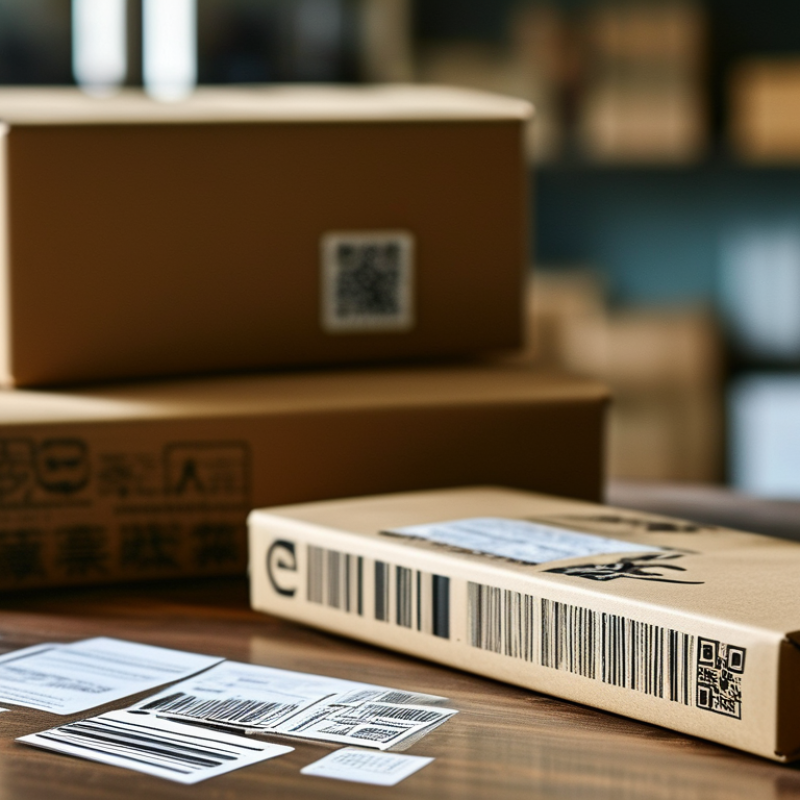
Barcode label stickers are adhesive labels printed with machine-readable bars and numbers. A scanner reads the pattern, while staff can still check the printed text. They identify products, cartons, shelves, assets, and shipping units. In warehouse work, one label can connect a physical item with stock records, location data, and movement history. Common materials include coated paper, synthetic film, and heat-resistant plastic. Direct thermal labels suit short-term shipping tasks, but sunlight and heat can fade them. Thermal-transfer labels usually last longer when durable ribbons and suitable surfaces are selected. Small details matter. An adhesive that works on cardboard may fail on cold plastic.
When evaluating barcode label sticker suppliers in China, buyers should request samples before placing a large order. Check barcode contrast, edge sharpness, adhesive strength, roll winding, and actual scan performance. A label may look clean yet fail after rubbing, moisture exposure, or refrigeration. I recommend testing the exact printer, ribbon, surface, and storage conditions used daily. This step often reveals problems that a product sheet cannot show. Size and spacing also need attention, because crowded bars can slow scanning or create read errors. Do not choose only by the lowest price. A cheaper label can increase relabeling labor and inventory mistakes. Specifications are useful, but they are not proof. No supplier is perfect, and printed batches can vary. That uncertainty deserves documented inspection rather than blind confidence.
Choosing among China’s top barcode label sticker suppliers requires more than comparing unit prices. A 2024 Grand View Research estimate values the global barcode label market at approximately USD 7 billion, with continued annual growth. This expansion increases pressure on suppliers to deliver stable quality, not just attractive quotations. Ask for material specifications, adhesive performance data, barcode verification grades, and production samples. A supplier should explain whether labels suit thermal transfer, direct thermal, coated paper, or synthetic film printing.
Quality systems matter on the factory floor. ISO 9001 certification can indicate documented controls, but it does not replace batch testing. Request inspection records for print contrast, edge definition, roll winding, moisture resistance, and adhesive aging. ISO/IEC 15416 grading should be used for printed barcodes, especially when labels pass through automated scanners. Test samples on your actual cartons, scanners, and storage shelves. Small failures become expensive quickly.
Supply reliability also deserves evidence. The 2023 Resilinc EventWatch report recorded thousands of global supply-chain disruption events, showing why backup capacity matters. Ask about lead times, raw-material inventory, export packaging, and corrective-action procedures. A factory visit helps, though it can create false confidence. Verify production records and randomly inspect finished rolls. Price is still relevant. It is not decisive. A cheaper label that curls, fades, or jams equipment may cost more than its invoice suggests. Supplier selection should remain measurable, documented, and open to revision.
China’s Top 10 Barcode Label Sticker Suppliers represent a practical starting point for buyers seeking stable printing quality, flexible materials, and scalable production. A reliable supplier should understand barcode readability, adhesive performance, coating selection, and roll consistency. These details matter in warehouses, retail packaging, laboratories, and shipping operations.
In my experience, the strongest suppliers provide samples before confirming a large order. Test the label on your actual cartons, plastic containers, or cold surfaces. Check scanning accuracy under bright light, weak light, and slight folding. Ask about direct thermal and thermal transfer options, because each suits different storage conditions. Some suppliers offer excellent prices but weaker adhesive control. That gap is easy to overlook.
Tips: Request a sample roll, production photos, material specifications, and a recent quality report. Confirm core size, roll direction, label spacing, and delivery tolerance. Do not judge the top 10 suppliers by price alone. A lower quote may hide waste, uneven cuts, or inconsistent print density. I would also review communication speed and correction handling. No supplier is perfect, and buyer feedback can be incomplete, so keep a small trial order before committing to regular production.
Barcode format capacity reference for supplier and label-production planning
China Top 10 Barcode Label Stickers Suppliers
When comparing China’s top barcode label sticker suppliers, product quality should come before catalog size. Reliable suppliers control coating weight, printing accuracy, adhesive consistency, and roll tension. A barcode may look sharp but still fail under warehouse scanners. Request production samples and test them on your actual equipment. Check quiet zones, contrast, edge clarity, and smudge resistance.
Material selection depends on the working environment. Direct thermal paper suits short-term shipping labels and retail use. Thermal transfer paper offers better durability with suitable ribbons. For moisture, abrasion, or outdoor exposure, PP and PET labels are stronger choices. Adhesives also matter. A removable adhesive can protect cartons, while a permanent grade suits pallets and containers. Test labels in cold storage, heat, dust, and humidity. Laboratory data helps, but real handling reveals more.
Customization should include size, shape, core diameter, roll direction, perforation, and variable data. Suppliers can usually match serial numbers, QR codes, colors, and preprinted layouts. Ask for a digital proof before mass production. Confirm the barcode format and inspection standard in writing. Batch records and traceable sampling improve reliability. No supplier is perfect. A glossy surface may reduce scanning quality, and a strong adhesive may damage recycled cartons. These details deserve honest review before approval.
| Supplier Profile | Product Quality Level | Common Label Materials | Adhesive Options | Printing Resolution | Typical Size Range | Customization Options | Barcode Compatibility | Typical MOQ | Typical Lead Time | Common Compliance Options |
|---|---|---|---|---|---|---|---|---|---|---|
| Supplier 01 | High | Coated paperThermal transfer paper | Permanent acrylic; removable adhesive available | 300–600 dpi | 20 × 10 mm to 150 × 100 mm | Custom size, core diameter, winding direction, perforation, and variable data | EAN-13, UPC-A, Code 128, QR Code, Data Matrix | 10,000 pieces | 7–12 working days | RoHS-compatible materials and FSC-certified paper available |
| Supplier 02 | High | PolyesterPolypropylene | Freezer-grade, high-tack, and removable options | 300–600 dpi | 25 × 15 mm to 200 × 120 mm | Waterproof coating, white or transparent film, custom artwork, and sequential numbering | Code 39, Code 128, GS1-128, QR Code, Data Matrix | 5,000 pieces | 10–15 working days | REACH and RoHS documentation available upon request |
| Supplier 03 | Standard | Direct thermal paperSemi-gloss paper | Standard permanent adhesive; cold-temperature option available | 203–300 dpi | 25 × 15 mm to 100 × 150 mm | Custom roll length, label gap, black marks, and barcode data printing | EAN-8, EAN-13, UPC, ITF-14, Code 128 | 20,000 pieces | 5–10 working days | Food-contact paper options available for applicable uses |
| Supplier 04 | High | PET filmSynthetic paper | Industrial permanent adhesive; high-temperature adhesive available | 600 dpi | 10 × 10 mm to 120 × 80 mm | Fine text, micro-labels, metallic effects, white ink, and serialized printing | QR Code, Data Matrix, PDF417, Code 128, GS1 DataBar | 3,000 pieces | 12–18 working days | UL-recognized materials and RoHS-compatible options available |
| Supplier 05 | Standard | White paperKraft paper | Permanent, removable, and economy adhesive grades | 203–300 dpi | 30 × 20 mm to 200 × 100 mm | One-color or full-color printing, custom cores, perforation, and fan-fold formats | UPC-A, EAN-13, Code 39, Code 128, QR Code | 10,000 pieces | 6–10 working days | Recyclable paper and water-based ink options available |
| Supplier 06 | High | BOPP filmPP film | Oil-resistant, moisture-resistant, and freezer-grade adhesive | 300–600 dpi | 20 × 15 mm to 180 × 120 mm | Gloss or matte finish, transparent labels, custom die-cutting, and variable QR codes | EAN-13, UPC-A, GS1-128, QR Code, Data Matrix | 5,000 pieces | 10–16 working days | REACH, RoHS, and low-migration ink options available |
| Supplier 07 | Standard | Thermal paperTop-coated thermal paper | General-purpose permanent adhesive; removable grade available | 203–300 dpi | 25 × 15 mm to 100 × 100 mm | Custom roll winding, label spacing, black-mark positioning, and serial codes | UPC, EAN, Code 128, ITF-14, QR Code | 15,000 pieces | 5–8 working days | BPA-free and phenol-free thermal materials available |
| Supplier 08 | High | VinylPolyesterPET | Outdoor-grade, high-tack, low-temperature, and removable adhesive | 600 dpi | 15 × 10 mm to 250 × 150 mm | UV-resistant coating, die-cut shapes, holographic effects, and tamper-evident construction | Code 39, Code 128, QR Code, Data Matrix, PDF417 | 2,000 pieces | 15–22 working days | Weather-resistant and RoHS-compatible material options available |
| Supplier 09 | Standard | Semi-gloss paperWhite coated paper | Permanent adhesive; freezer and curved-surface grades available | 300 dpi | 20 × 10 mm to 180 × 100 mm | Custom branding artwork, variable text, barcode verification, and roll packaging | EAN-13, UPC-A, Code 128, ITF-14, QR Code | 8,000 pieces | 7–12 working days | FSC-certified paper and water-based ink options available |
| Supplier 10 | High | Synthetic paperPET filmPP film | Industrial permanent, chemical-resistant, and removable adhesive | 300–600 dpi | 10 × 8 mm to 200 × 150 mm | Multi-color printing, serialized data, inspection marks, custom die-cutting, and lamination | GS1-128, GS1 DataMatrix, QR Code, Code 128, PDF417 | 3,000 pieces | 12–20 working days | RoHS, REACH, and application-specific material declarations available |
Note: Minimum order quantities, lead times, materials, and compliance documentation vary according to label size, artwork, adhesive grade, printing method, and order volume. Confirm final specifications with the selected manufacturer before purchase.
When comparing China’s top ten barcode label sticker suppliers, judge the delivered cost, not only the quoted unit price. GS1 reports that more than six billion barcodes are scanned worldwide each day. Small print defects can therefore create expensive delays. Request pricing per 1,000 usable labels, including material, adhesive, liner, die charges, proofing, waste, packaging, and freight. Ask for separate prices at different order quantities. A low quote can still be wrong.
FINAT Radar 2024 reported a 1.5% decline in European self-adhesive label demand during 2023. This makes flexible purchasing important. Compare minimum order quantities, production lead times, and reorder stability. Check ISO 9001 records, material compliance documents, and relevant FSC or ISO 14001 certification. Confirm certificate numbers, issuing bodies, validity dates, and whether they cover the actual factory. Do not accept a decorative certificate scan.
Export service deserves equal attention. Suppliers should provide a pre-production proof, barcode verification report, carton dimensions, packing list, commercial invoice, certificate of origin, and agreed Incoterms. Ask whether they can arrange pre-shipment inspection and provide photos of sealed cartons. In my experience, suppliers often explain printing well but underestimate customs paperwork. I would test one small batch first. It should survive rubbing, moisture, and refrigerated storage when required. My comparison method is imperfect; freight changes and application conditions can still distort the final cost.