7 Tips for Choosing the Right Bellow Valve?
Selecting the right Bellow Valve is a practical decision, not a simple catalog exercise. The valve must match the medium, pressure, temperature, and operating frequency. A clean steam line needs different protection than a corrosive chemical process. Small differences matter.
This guide presents seven useful tips for evaluating a Bellow Valve before purchase or installation. It considers bellows material, body construction, sealing performance, connection type, pressure rating, and maintenance access. It also examines manufacturer documentation and testing practices. A valve may look suitable on paper but fail when exposed to thermal cycling, vibration, or repeated actuation. That risk deserves attention.
Start with the real service conditions. Record the fluid, temperature range, pressure changes, pipe size, and expected cycle count. Check whether the bellows is welded correctly and protected from unnecessary movement. Review leakage standards and inspection records from a qualified manufacturer. Ask for traceable material certificates when the application is critical. Useful evidence matters.
Field experience also shows that selection errors are often ordinary. A purchaser may focus on purchase price and overlook replacement time. An engineer may confirm pressure but miss the corrosive effect of cleaning chemicals. These oversights are easy to make. They should still be challenged.
The seven tips ahead are designed to support a clearer comparison. They cannot replace professional engineering review or site-specific safety procedures. However, they can help buyers ask sharper questions and avoid preventable failures. A dependable Bellow Valve should protect the process, support maintenance, and perform consistently throughout its service life.
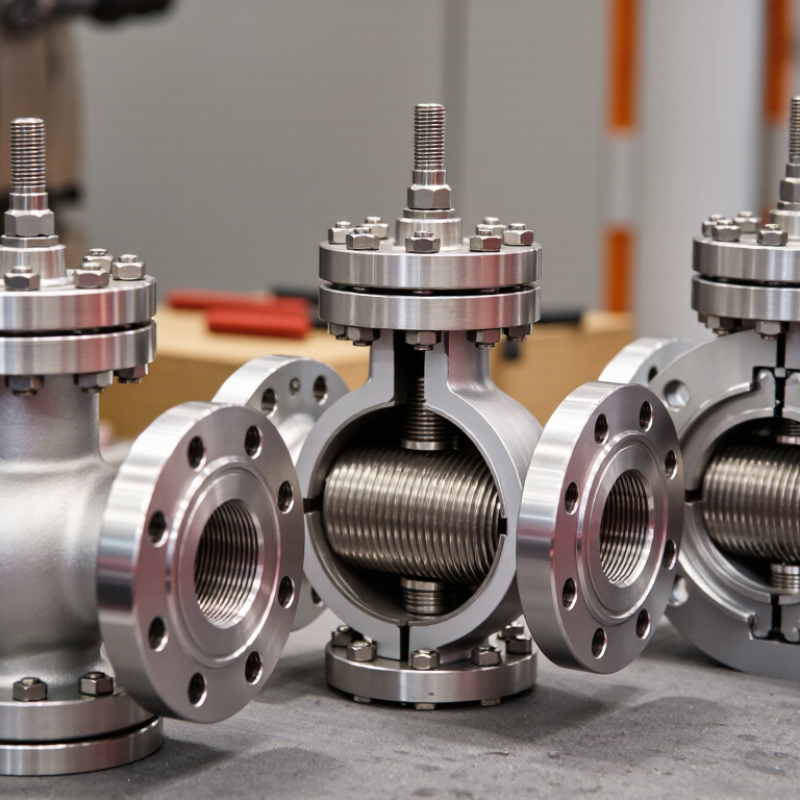
Define Operating Conditions Before Choosing a Bellow Valve
7 Tips for Choosing the Right Bellow Valve
Define Operating Conditions Before Choosing a Bellow Valve
A bellow valve should match the real process, not an ideal datasheet scenario. Record the medium, pressure, temperature, flow direction, and operating frequency. Steam, corrosive chemicals, vacuum service, and toxic gases create very different sealing demands. Small details matter. A temperature peak during cleaning may exceed normal process conditions. Ignoring it can shorten bellows life.
Tip 1: Map the complete operating range. Include startup, shutdown, pressure surges, thermal cycling, and emergency conditions. Tip 2: Check material compatibility with the fluid and any cleaning agents. Bellows materials, body alloys, and packing components may respond differently. Technical standards and supplier test data should support these choices.
Tip 3: Estimate cycle life instead of focusing only on pressure ratings. A valve opening twice daily faces different fatigue than one cycling every few minutes. Tip 4: Consider installation space and pipe loads. Misalignment, vibration, or excessive actuator force can stress the bellows. I have seen a suitable valve perform poorly because the connected piping carried too much weight.
Tip 5: Specify the required leakage class and testing method. Tip 6: Review maintenance access before approval. A compact design may look efficient, yet technicians still need room for inspection and replacement. Tip 7: Ask for evidence from comparable service conditions. However, past experience is not perfect. A familiar application can still behave differently after pressure, temperature, or fluid changes. Record assumptions clearly, then challenge them before final selection.
7 Tips for Choosing the Right Bellows Valve
Define Operating Conditions Before Choosing a Bellows Valve
Operating pressure and temperature are fundamental selection inputs for a bellows valve. The chart compares representative service conditions using absolute pressure and process temperature. High-vacuum service requires extremely low leakage, while cryogenic and high-temperature steam applications demand careful review of bellows material, body construction, thermal expansion, and pressure rating.
Reference points: high vacuum at 0.1 kPa absolute and 20°C; liquid nitrogen near its normal boiling point at 101.3 kPa absolute and −196°C; saturated steam at approximately 10 barg and 40 barg, corresponding to about 184°C and 250°C respectively. These are operating references, not valve ratings.
Match Valve Materials to the Fluid, Pressure, and Temperature
Selecting the right bellows valve starts with the process fluid, not the catalog photograph. Tip 1: Identify the fluid precisely. Water, oxygen, acids, solvents, and abrasive slurries stress materials differently. Check concentration, cleanliness, moisture, and possible contaminants. Tip 2: Match wetted materials to that chemistry. An alloy that survives dry gas may corrode quickly in wet service. Do not guess. Review compatibility data and operating history.
Tip 3: Confirm the complete temperature range. Include startup, normal operation, cleaning, and shutdown. Body, bellows, stem, and seals may have different thermal limits. Tip 4: Check thermal cycling, not only the maximum temperature. Repeated heating can fatigue the bellows. At low temperatures, seals may harden and lose closing force. It happens. Tip 5: Compare pressure ratings with real conditions. Consider design pressure, differential pressure, and cycling frequency. A valve suitable for static pressure may struggle during rapid changes.
Tip 6: Inspect material certificates and pressure-test records when service is critical. These documents improve traceability and support maintenance decisions. Tip 7: Question every compatibility chart. Laboratory data may not reflect impurities, welded joints, or cleaning chemicals. I have seen a small change in solvent concentration shorten component life. That detail was missed during selection. If uncertainty remains, test a sample assembly under representative pressure and temperature. The extra step feels slow, but an emergency replacement usually costs more.
Select the Appropriate Valve Design, Size, and Connection
7 Tips for Choosing the Right Bellow Valve
Select the Appropriate Valve Design, Size, and Connection
Choosing a bellow valve starts with the fluid, temperature, pressure, and required leakage control. A metal bellows design protects the process from stem leakage. It also shields the fluid from outside contamination.
Check the valve body material against the medium and operating temperature. Corrosive gases may require stronger alloys than clean, dry air. Review the pressure rating at the actual temperature, not room conditions. Size the valve for stable flow rather than simply matching the pipeline diameter. An oversized valve can respond poorly. A smaller valve may create unwanted pressure loss.
Consider the operating pattern. Frequent cycling demands a durable bellows and suitable actuator. Manual service may need a visible position indicator and comfortable handwheel. For automated systems, confirm signal requirements, fail position, and response time. These details are easy to overlook.
Connection choice matters in installation and maintenance. Threaded ends suit compact, low-load systems, while flanged ends support easier removal and stronger mechanical stability. Welded connections can reduce leak paths, but they require qualified procedures and careful alignment. Verify face dimensions, pressure class, and available space before ordering. I have seen correct valves fail in practice because the connection standard was assumed, not checked. Measure twice. Document the decision. Review compatibility with gaskets, tubing, and nearby equipment. A perfect selection is rarely possible, so record the compromise and its reason.
Assess Sealing Performance, Actuation, and Maintenance Needs
7 Tips for Choosing the Right Bellow Valve
Assess Sealing Performance, Actuation, and Maintenance Needs
A suitable bellow valve starts with the process conditions. Check the medium, pressure, temperature, and required cleanliness. Confirm that the bellows material resists corrosion and fatigue. Weld quality matters because small defects can become serious leakage paths. Ask for pressure and helium leak test records when service demands tight containment. Do not rely on appearance alone. A polished surface proves very little.
Examine the sealing arrangement under real operating conditions. Seat design, stem alignment, and thermal expansion can affect shutoff performance. Review the valve’s cycle rating against expected operating frequency. Then evaluate actuation. Manual handles suit simple isolation, while automated systems need correct torque, stroke, response time, and fail position. Leave enough margin for startup conditions. Too little margin causes trouble.
Maintenance planning deserves equal attention. Select a valve with accessible connections, clear inspection points, and replaceable service parts. Check whether the actuator can be removed without disturbing nearby piping. Confirm cleaning procedures and recommended inspection intervals. Keep records of leakage tests and cycle counts. Field experience shows that poor installation can defeat a good valve. Pipe strain, incorrect alignment, and over-tightened fasteners remain common problems. A perfect specification on paper may still fail in service. Recheck assumptions with actual plant data before approval.
Verify Standards, Testing, Supplier Support, and Total Cost
Selecting the right bellows valve starts with the service, not the catalogue photograph. Confirm pressure, temperature, media, cycle frequency, and installation position. Then verify the governing standard. EN 13555 supports sealing performance evaluation, while ISO 15848-1 addresses fugitive-emission testing. Request material certificates, welding procedures, calibration records, and traceable test results. “Tested” is too vague.
Testing should resemble actual operation. Specify shell, seat, bellows, and helium emission tests. Include cycling at representative pressure and temperature. The IEA’s Global Methane Tracker 2024 estimates that around 75% of methane emissions from fossil-fuel operations could be reduced. Existing measures can achieve much of this reduction. That finding makes leakage control more than paperwork. Ask for the tested cycle count and failure limit, not only a pass certificate.
Supplier support affects risk after delivery. Require drawings, spare-bellows availability, installation guidance, inspection intervals, and a named technical contact. Compare total cost, including installation, inspection, energy loss, downtime, replacement, and disposal. The U.S. Department of Energy’s Steam System BestPractices Sourcebook identifies leaks and poor maintenance as avoidable losses. However, it offers no universal savings figure for every facility. Be cautious with optimistic payback claims. I would challenge any model lacking site measurements. A cheaper valve can become expensive after one shutdown.