7 Structural Grating Buying Tips for Global Buyers?
Buying Structural Grating across borders requires more than comparing prices. A walkway panel may look identical in two quotations, yet differ in steel grade, bearing bar size, surface finish, or allowable load. These differences can affect safety, installation time, and long-term maintenance.
This guide presents seven practical buying tips for global purchasers. It considers technical drawings, load requirements, dimensions, coatings, certifications, packaging, and delivery terms. Experienced buyers usually request clear specifications before asking for a final offer. They also check whether the supplier can provide drawings, material certificates, inspection records, and traceable batch information. Small details matter. A missing tolerance can delay installation.
Supplier evaluation deserves careful attention. A professional manufacturer should explain production methods, welding quality, surface treatment, and quality-control procedures in plain language. Site photos help, but they are not enough. Ask for recent project references and verify whether the products match your application. A factory visit or independent inspection may be useful for larger orders.
Price is only one part of the decision. Freight, customs documents, inland transport, corrosion protection, and replacement costs can change the real purchase value. Incoterms must be understood before signing. Packaging also matters; poorly protected panels can arrive with bent edges or damaged finishes. That risk is easy to underestimate.
No checklist is flawless. Even careful buyers can overlook local installation practices or changing project conditions. These tips therefore support professional judgment, not replace it. With transparent communication and documented requirements, global buyers can select Structural Grating more confidently and reduce avoidable surprises.
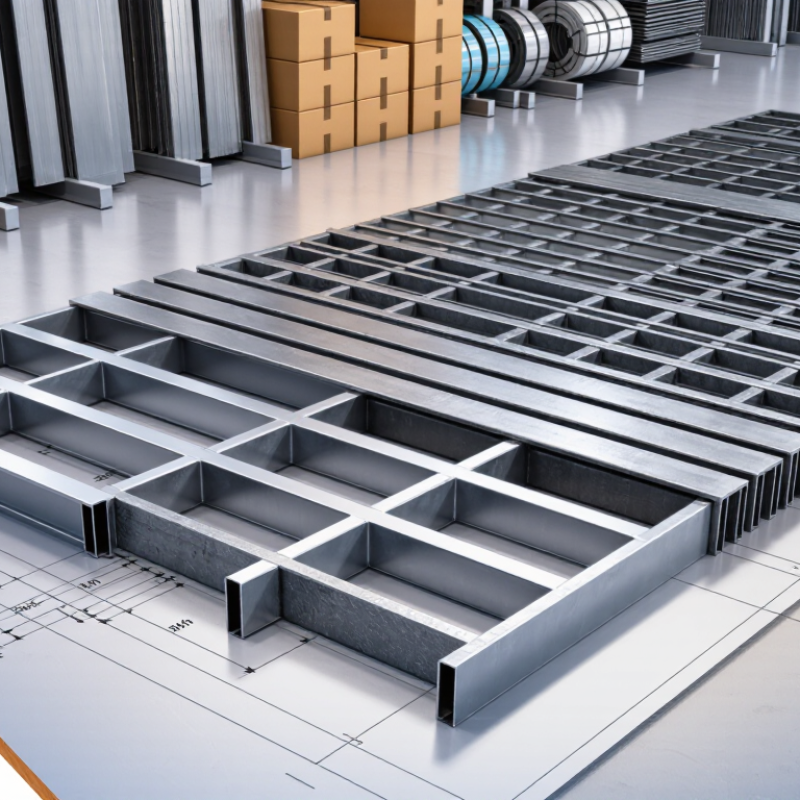
Understanding Structural Grating Types and Their Applications
Structural grating is not a single product. Its type should match the load, environment, and maintenance plan.
Welded steel grating suits factory floors, platforms, stairs, and drainage channels. It handles heavy equipment and frequent foot traffic. Press-locked grating offers a cleaner appearance and tighter spacing. It works well for walkways, mezzanines, and architectural screens. Swage-locked grating provides flexibility for custom panels, but its bars require careful inspection. For corrosive or electrically sensitive areas, molded FRP grating can reduce maintenance. It is common around chemical processing zones, water treatment plants, and coastal facilities. Aluminum grating is lighter, though it may not suit every heavy-load application.
Check the bearing bar depth, spacing, span, and allowable deflection before requesting prices. Do not judge strength by appearance alone. A narrow panel may still need lifting points and edge protection. Serrated surfaces improve traction near oil, rain, or washdown areas. Plain surfaces are easier to clean but can become slippery. Ask for material certificates, load tables, coating details, and dimensional tolerances. Confirm whether the supplier has tested the finished panel or only the raw material. That distinction matters. Local building codes and workplace safety rules may also define openings, handrails, and stair dimensions. In my experience, buyers often focus on unit price and overlook installation clips. That mistake can create delays, noise, or movement underfoot. I still review the site drawings twice; small drainage changes can alter the correct grating choice.
Evaluating Materials, Load Ratings, and Surface Treatments
7 Structural Grating Buying Tips for Global Buyers
When evaluating structural grating, match the material to the site environment. Galvanized steel suits many outdoor platforms, while stainless steel handles aggressive moisture better. Aluminum reduces weight but may require stronger support spacing. Fiberglass grating resists corrosion and electrical conductivity, yet its flexibility deserves careful review. Tip 1: Confirm the material grade and certificates. Tip 2: Check dimensions, bearing bars, and panel tolerances before ordering. Small mismatches can delay installation.
Load ratings must reflect real working conditions, not only catalog figures. Consider workers, equipment, rolling loads, impact, and maintenance traffic. Ask for span tables that show deflection limits, because a panel can remain intact while feeling unsafe underfoot. Tip 3: Verify the tested load rating with an independent engineer. Tip 4: Compare required spans with actual support spacing. I would not rely on a single drawing. Site measurements can be imperfect.
Surface treatment affects service life and maintenance costs. Hot-dip galvanizing offers a practical barrier for many steel applications, but damaged areas still need inspection. Serrated surfaces improve grip around rain, oil, or snow. Smooth surfaces clean easily, though they may become slippery. Tip 5: Specify the slip-resistance profile. Tip 6: Confirm coating thickness and repair procedures. Tip 7: Request inspection records, packing details, and installation guidance. These documents reduce confusion across borders and help teams question assumptions before delivery.
Checking Dimensions, Standards, and Safety Requirements
7 Structural Grating Buying Tips for Global Buyers?
Before ordering structural grating, check every dimension against the installation drawing. Confirm panel length, width, bearing-bar height, thickness, and spacing. Also measure support gaps on site, not only from old documents. A small mismatch can create unsafe overhangs or costly cutting work. I once treated a nominal panel size as exact, and that assumption caused avoidable rework.
Load capacity depends on span direction and bearing-bar orientation. Ask for certified load tables, deflection limits, and material information. Do not compare products by weight alone. Steel, aluminum, and other materials behave differently under traffic, moisture, and temperature changes. Check dimensional tolerances, weld quality, surface finish, and protective coating thickness. These details are easy to miss.
Standards and safety rules require careful local verification. Match the grating design with the project code, workplace requirements, and applicable international standards. Requirements may differ for platforms, stairs, drainage covers, and industrial walkways. Specify slip resistance for wet areas, safe opening sizes, edge protection, and secure fasteners. Request inspection records, material certificates, and traceable test results. Documents help, but they do not replace a site review. A sample may look excellent and still fail after poor support alignment. Recheck assumptions with a qualified engineer before approval.
Comparing Suppliers, Certifications, and Export Capabilities
7 Structural Grating Buying Tips for Global Buyers
Comparing suppliers starts with evidence, not polished catalogues. Request mill certificates, coating records, load-test results, and dimensional inspection reports. A serious supplier should identify steel grade, bar size, bearing direction, panel tolerance, and weld quality. Ask for recent project references in climates similar to yours. Photos help, but they are not proof.
Certifications require careful reading. ISO 9001 shows a quality-management system, not automatic product performance. The ISO Survey 2023 recorded more than 1.2 million ISO 9001 certificates worldwide, so certification alone cannot distinguish every supplier. Check the certificate’s scope, issuing body, expiry date, and factory address. For painted or galvanized grating, request coating-thickness readings at several points. One reading is weak evidence. Testing should match the destination market’s structural and safety requirements.
Export capability appears in small details. Compare packaging drawings, pallet weights, container-loading plans, HS codes, and Incoterms. The World Bank’s 2023 Logistics Performance Index assessed 139 economies, highlighting major differences in customs, tracking, and delivery reliability. Ask whether the supplier has handled your port, documentation language, and inspection process before. Verify lead times using production schedules, not optimistic emails. I once saw a low quote become expensive after oversized crates triggered port storage charges. That mistake was avoidable. Even experienced buyers miss it. Leave room for a pre-shipment inspection, spare panels, and realistic customs delays.
Reviewing Costs, Logistics, Installation, and Long-Term Maintenance
Global buyers should treat structural grating as a system, not a cheap panel. Specify span, live load, deflection, surface type, and corrosion exposure before requesting prices. Check material certificates, weld quality, and dimensional tolerances. A low unit price can still become expensive after redesign. Compare total landed cost, including fabrication, packing, insurance, duties, inland transport, and unloading equipment.
The World Bank’s 2023 Logistics Performance Index shows shipment reliability remains a major supply-chain concern.
Confirm production lead time and contingency stock. Ask for moisture-resistant packaging, especially for sea freight.
Installation needs equal attention. Confirm support spacing, fixing hardware, cutout details, and lifting points in approved drawings. Local engineers should verify load paths and applicable access regulations. OSHA’s walking-working-surfaces requirements illustrate why secure installation and slip resistance cannot be treated as minor details. Arrange a pre-installation inspection, but keep spare clips and panels nearby. Small shortages can stop a crew for an entire shift.
Arrange a pre-installation inspection, but keep spare clips and panels nearby. Small shortages can stop a crew for an entire shift.
Maintenance decisions begin before delivery. Select galvanized, stainless, or coated steel according to humidity, chemicals, temperature, and cleaning methods.
The AMPP IMPACT study estimated global corrosion costs at about US$2.5 trillion annually, or 3.4% of global GDP.
Inspect welds, cut edges, fasteners, and drainage points on a documented schedule. Replace damaged pieces early. One assumption deserves challenge: “maintenance-free” rarely means inspection-free. In practice, cleaning access and replacement time may matter more than the original coating price.