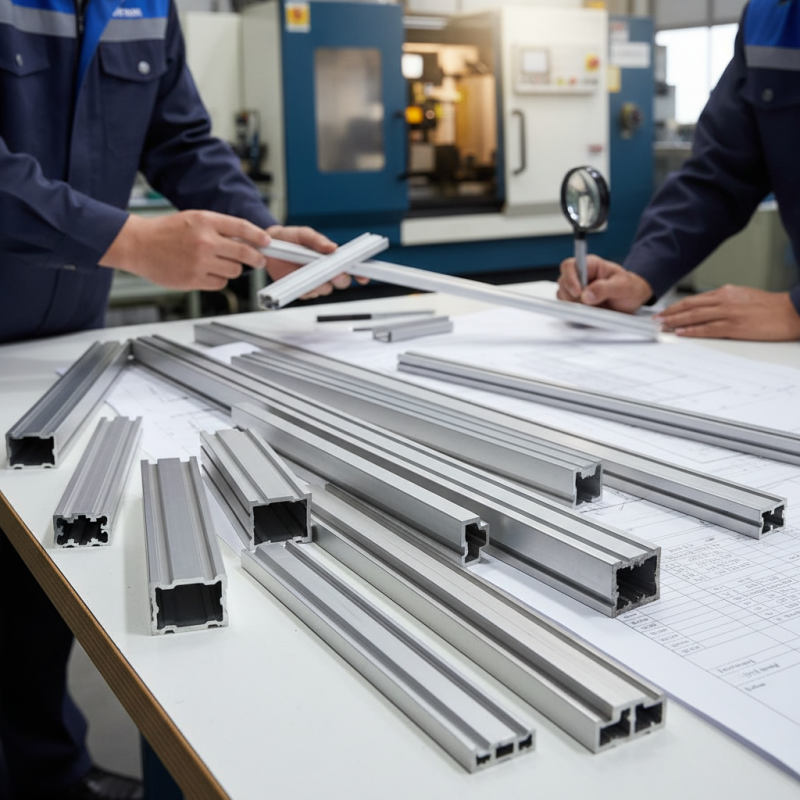
2026 How to Source Aluminium Extrusion Rail for Your Projects?
Sourcing Aluminium Extrusion Rail for your projects can be a challenging task. Understanding the market and knowing what to look for is crucial. This guide emphasizes practical insights into selecting the right Aluminium Extrusion Rail.
When sourcing, consider the specific requirements of your projects. Dimensions, weight, and finish all play critical roles. Evaluate the supplier's reliability and reputation. A trustworthy supplier ensures you receive high-quality materials. However, not all suppliers meet these standards consistently.
A common mistake is ignoring the importance of material specifications. Quality varies significantly across different manufacturers. Seek certifications and samples to ensure you're making the right choice. Remember, it’s better to take time in sourcing than to face issues later. Reflect on your experiences to improve future sourcing processes.
Understanding Aluminium Extrusion and Its Applications
Aluminium extrusion is a process that shapes aluminium into a variety of profiles. This method allows for precise and versatile designs in multiple industries. Applications range from architectural frames to transportation components. It's remarkable how aluminium can meet structural demands while maintaining a lightweight quality.
The adaptability of aluminium extrusion rails is evident in its uses. In construction, these rails support window facades and curtain walls. In manufacturing, they serve as guides in machinery. Each application requires a deep understanding of the material's properties. Choosing the right alloy and profile is crucial for performance.
Despite its advantages, sourcing aluminium extrusion can be challenging. Factors like supply chain disruptions and quality control issues often arise. A clear communication channel with suppliers is essential. Listening to feedback from previous projects can offer valuable insights. This way, you can refine your sourcing strategy and ensure you select the best materials for your needs.
2026 How to Source Aluminium Extrusion Rail for Your Projects?
| Dimension (mm) | Weight (kg/m) | Material Grade | Surface Treatment | Common Applications |
| 20 x 20 | 0.5 | 6063 | Anodized | DIY Projects, Framework |
| 30 x 30 | 0.8 | 6061 | Powder Coated | Industrial Frames, Shelving |
| 40 x 40 | 1.2 | 6063 | Brushed | Machinery, Displays |
| 60 x 60 | 1.8 | 6082 | Anodized | Construction, Automotive |
| 80 x 40 | 2.3 | 6061 | Powder Coated | Framework, Supports |
Identifying Your Project Requirements for Aluminium Rail
Identifying your project requirements for aluminium rail is crucial for ensuring a successful outcome. Before sourcing, assess the specific demands of your project. Consider factors like load capacity, length, and finish. Aluminium is versatile and suitable for many applications, but requirements can vary widely.
When determining load capacity, think about the weight the rail needs to support. Check the specifications of any additional components that will be used. Length is another vital aspect. Measure the exact distances within your project to avoid any discrepancies. Finishes matter too, as they can affect durability and aesthetics.
Tip: Always consult with professionals who have experience in aluminium extrusion. Their insights can help prevent costly mistakes.
Keep in mind that the sourcing process may present challenges. Not all suppliers meet quality standards. Research thoroughly to identify reliable providers. Getting samples can also inform your decision-making process.
Tip: Create a checklist of your project requirements. This will streamline communication with suppliers and ensure all needs are met.
Be prepared to reassess your initial requirements. Projects often evolve, and flexibility can lead to better solutions. Embrace changes; they can enhance the overall effectiveness of your aluminium rail application.
Researching Suppliers and Manufacturers of Aluminium Extrusions
When sourcing aluminium extrusion rail for projects, selecting the right suppliers and manufacturers is crucial. Start by researching local and global options. Look for companies with a strong reputation in the industry. Check online reviews and ratings. This can give insight into their reliability and quality.
Visit manufacturing facilities if possible. This allows you to assess their operations firsthand. Ask questions about their production capabilities, material sourcing, and quality assurance processes. Request samples to evaluate the product quality. It helps to compare different suppliers. Some may excel in specific products or designs.
Consider attending industry trade shows and exhibitions. These events provide valuable networking opportunities. You can meet potential suppliers and ask detailed questions. Always verify credentials and certifications. Seeking references from previous clients is wise. This adds an extra layer of assurance but remember not all suppliers will meet your expectations.
Evaluating Quality Standards and Specifications for Aluminium Rail
When sourcing aluminium extrusion rail for your projects, understanding quality standards is crucial. Quality defines the performance and durability of the rail. Key specifications include the alloy grade, which significantly affects the strength and corrosion resistance of the extrusion. Look for details like tensile strength and yield point. These are vital metrics that reflect how the material will behave under stress.
Another important aspect is the extrusion process itself. Different methods can lead to variations in structural integrity. Inspect the surface finish; a smooth finish can indicate better quality and fewer imperfections. Certifications from relevant authorities often provide insight into a supplier's reliability. Yet, not all certifications guarantee the same level of quality. It's essential to communicate with your suppliers effectively. Ask questions and request samples. This hands-on approach can reveal potential issues that certifications may overlook.
Evaluating the quality of aluminium extrusion rail isn’t always straightforward. There are inconsistencies in production and variations in suppliers. Always remain vigilant. Visit production facilities if possible and discuss the quality control processes they have in place. Each step taken to ensure quality can significantly impact your project's outcome.
Cost Analysis and Budgeting for Aluminium Extrusion Projects
When planning aluminium extrusion projects, cost analysis is crucial. Factors influencing costs include raw material prices, production techniques, and design complexity. According to a recent industry report, aluminium prices have fluctuated between $2,000 and $2,500 per ton over the past year. This range indicates that sourcing decisions must be carefully evaluated to ensure budget alignment.
Understanding waste management is also key. An average of 20% of aluminium can become scrap during the extrusion process. This highlights the importance of precise manufacturing techniques to reduce waste. Proper budgeting should factor in potential scrap costs to avoid unexpected expenses.
Tips: Consider sourcing materials from multiple suppliers to compare prices. Investigate bulk purchasing options, as they can lead to significant discounts. Also, keep track of industry trends. Monitoring the market can provide insights into price shifts, helping you adjust your budget proactively. Engage with industry experts for advice, as they can offer valuable perspectives on managing costs effectively.