How to Select the Best Hot Die Forging Hydraulic Press?
Choosing the right hot die forging hydraulic press is crucial for manufacturing efficiency. The effectiveness of your production largely relies on this equipment. It plays a significant role in shaping metal parts under high pressure and temperature.
Consider the type of materials you’ll be working with. Different metals require specific press configurations. Delve into the specifications of various hydraulic presses available in the market. Many options exist, but not all may suit your needs. Analyze machine capabilities, like tonnage and stroke length. These aspects directly influence your production quality and costs.
Experience matters when selecting a hot die forging hydraulic press. Consult industry experts for insights. Examine user feedback and professional reviews. The best equipment will enhance your production process while minimizing downtime. Understand that achieving the perfect choice may take time and reflection. It’s essential to balance quality, price, and operational demands for long-term success.
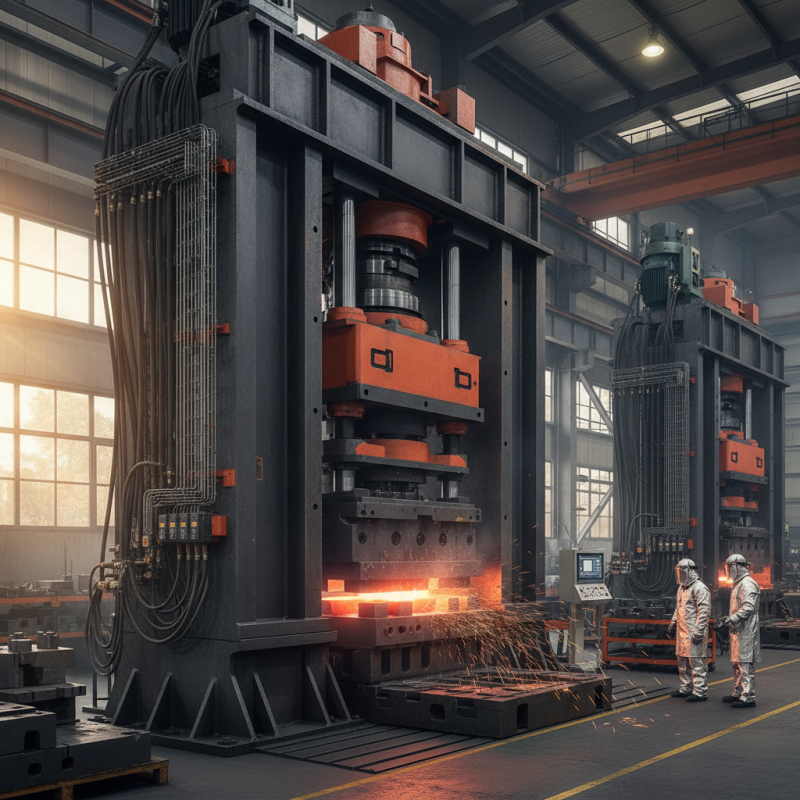
Understanding Hot Die Forging and Its Applications
Hot die forging is a complex process with significant implications in various industries. This manufacturing method involves shaping metals at high temperatures, resulting in products with superior mechanical properties. According to a report by the Materials Research Society, materials produced via hot die forging can achieve up to 30% higher yield strength compared to other forming techniques. This improvement is critical in sectors such as aerospace and automotive, where durability and performance are paramount.
Understanding the applications of hot die forging is essential for selecting the right hydraulic press. Industries utilize this method for creating components like gears, crankshafts, and even aerospace parts. Each application demands specific tolerances and material characteristics. A study by the Forging Industry Association indicates that the precision of hot die forged parts can reduce machining time by 50%. This efficiency not only lowers costs but also enhances the integrity of the final product.
Tip: When selecting a hydraulic press, consider the tonnage required for your specific materials and shapes. Too much force can lead to material failure, while too little can cause incomplete forging. It's important to balance power and precision for optimal results. Additionally, always evaluate the press's configuration. A well-designed system can outperform more powerful alternatives by maximally utilizing the input energy.
Key Features of Hydraulic Press for Hot Die Forging
When selecting a hydraulic press for hot die forging, key features should be prioritized. First, consider the press's capacity. Many industry experts suggest that presses with a capacity of at least 1,500 tons are optimal for medium to large forging applications. This ensures sufficient force for shaping materials effectively. Data indicates that proper capacity can reduce cycle time by about 30%, maximizing production efficiency.
Next, look at the speed and movement of the hydraulic press. High-speed presses enable quicker production cycles. Reports show that presses with adjustable speeds can enhance flexibility, allowing for various forging processes. Those that offer a range of stroke lengths can accommodate different die configurations, which is critical for diverse projects.
Another important feature is the quality of hydraulic components. High-quality hydraulic systems minimize downtime due to failures. Investing in reliable hydraulic design often results in fewer maintenance issues. According to some studies, companies that prioritize robust hydraulic systems report a 25% decrease in operational costs over time. These details can greatly impact the press's performance and reliability in demanding environments.
Criteria for Selecting the Right Hydraulic Press Size
Selecting the right hydraulic press for hot die forging involves several key criteria. Size is crucial. The press needs to accommodate the dimensions of your workpieces. It's not just about the pressing force. The overall design must fit your specific requirements.
When determining the size, consider the maximum weight of parts you will forge. A general rule is to allow extra capacity to prevent overloading. This can save you from operational issues later. Also, think about the workspace. The press should fit in your facility without causing obstructions.
Tips: Always measure your workspace before making a purchase. Consider how frequently you'll change the tools or dies. A press with adaptable size is beneficial.
Evaluate the materials you plan to use. Some may require specialized presses. Do not overlook maintenance requirements. Remember that larger presses can mean more complexity in care.
In choosing a hydraulic press, reflect on your needs and future expansion plans. It's not just about immediate use. A slightly larger model can provide flexibility. This is a significant factor that many overlook. Making the wrong choice can lead to inefficiencies in production. Be mindful and thoughtful in your selection process.
Assessing the Hydraulic System Efficiency and Reliability
When selecting a hot die forging hydraulic press, assessing the hydraulic system efficiency is crucial. A highly efficient system ensures optimal energy use, which saves on operating costs. Efficiency is often linked to the type of hydraulic fluid used. The viscosity and thermal stability of the fluid can affect the press performance significantly. Regular monitoring of fluid levels and quality is necessary. Neglecting this aspect can lead to decreased efficiency.
Reliability is another key factor when evaluating a hydraulic press. A reliable system minimizes downtime and maintenance costs. Look for features like integrated monitoring systems and high-quality hydraulic components. While these features may raise initial costs, they can prevent larger expenses later. Manufacturers should provide clear data on the expected lifespan and performance metrics of the hydraulic systems. It’s important to ask for real-world performance stats rather than just theoretical claims.
The press design also plays a role in the hydraulic system's efficiency. Compact and well-engineered designs often result in fewer leaks and less energy waste. Yet, achieving the perfect balance between size and power can be hard. Choosing the right design requires careful reflection on production needs. Manufacturers should be prepared to adapt designs based on practical feedback and real-world testing.
Hydraulic System Efficiency and Reliability Assessment
Maintaining and Upgrading Your Hot Die Forging Hydraulic Press
Maintaining a hot die forging hydraulic press is crucial for ensuring operational efficiency. Regular upkeep prevents costly breakdowns. Inspect hydraulic fluid levels frequently. Low fluid can lead to overheating and damage. Ensure seals are intact to avoid leaks. Addressing these issues promptly is essential.
Upgrading your press can enhance productivity. Newer technologies may include better energy efficiency and advanced controls. However, consider the costs and integration challenges. Don’t rush into upgrades without assessing your current system thoroughly. Assessing compatibility with existing equipment is vital.
Tips: Schedule maintenance checks quarterly to catch issues early. Train staff on best practices for operating the press. Ensure they understand potential hazards to maintain a safe work environment. Regular training sessions can reinforce safety protocols and operational efficiency.
How to Select the Best Hot Die Forging Hydraulic Press? - Maintaining and Upgrading Your Hot Die Forging Hydraulic Press
| Criteria | Description | Importance Level | Upgrade Options |
| Capacity | The maximum force the press can exert. | High | Consider higher capacity cylinders. |
| Speed | The speed at which the press operates. | Medium | Upgrade to a variable speed drive. |
| Control System | Technology used for operating the press. | High | Implement automated controls. |
| Maintenance | Regular servicing and parts replacement. | High | Use predictive maintenance technologies. |
| Safety Features | Inbuilt systems to prevent accidents. | High | Install advanced safety systems. |