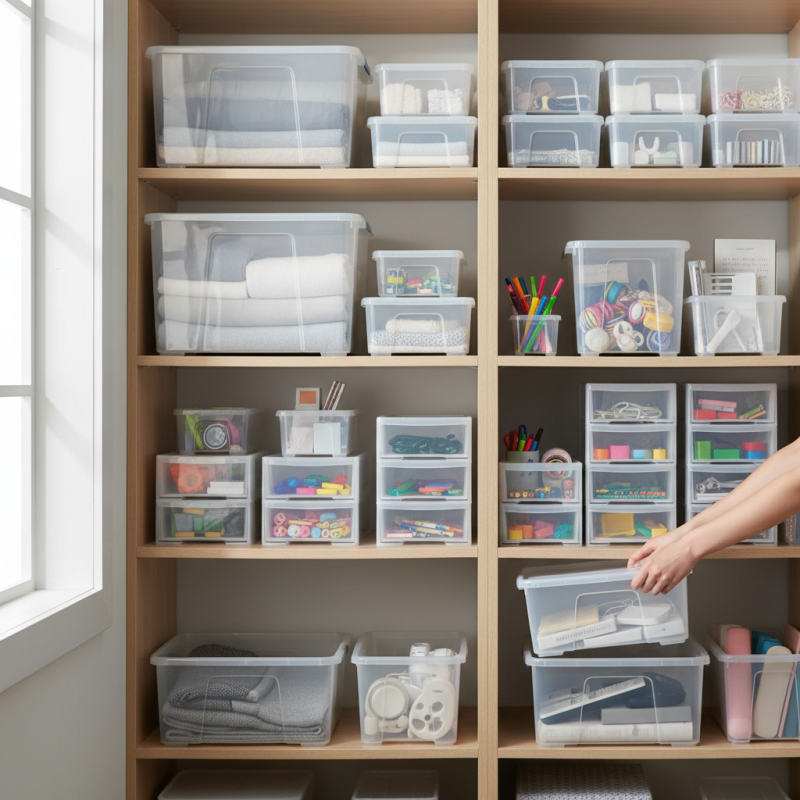
What is a Plastic Box and Why Do You Need It?
In a world filled with clutter, finding the right storage solutions is essential. A Plastic box emerges as a versatile option for organizing various items. From household goods to office supplies, plastic boxes help maintain order in our lives. They are lightweight and durable, making them practical for everyday use.
Plastic boxes come in various sizes and shapes. This variety allows for a tailored approach to storage needs. However, not all plastic boxes are created equal. Choosing a high-quality plastic box can be crucial. Investing in reliable options ensures better longevity and efficiency.
Ultimately, a plastic box serves as more than just a container. It provides a sense of control over your environment. Embracing this simple solution can reveal the importance of organization. Reflecting on our storage choices can lead to a deeper understanding of our needs and habits.
What is a Plastic Box?
A plastic box, often made from polyethylene or polypropylene, serves various practical purposes. These boxes are designed to protect and organize items. They come in various shapes and sizes, making them versatile for personal and commercial use. In recent industry reports, the global plastic packaging market, which includes plastic boxes, is projected to reach $500 billion by 2026. This highlights their growing significance.
Plastic boxes are popular in many sectors. For instance, the food and beverage industry utilizes them for storage and distribution. They can withstand high temperatures and offer a durable solution. Additionally, reports show that 70% of businesses prefer plastic over traditional materials due to cost-effectiveness. However, not all plastic boxes are created equal. Some may lack durability, leading to product failure.
While many opt for plastic boxes, concerns about their environmental impact linger. The production process can lead to significant pollution. Moreover, improper disposal contributes to ocean waste. Thus, finding a balance between utility and sustainability remains a key challenge. As industries evolve, the emphasis on eco-friendly options grows. This brings forth questions about the future of plastic in our daily lives.
Types of Plastic Boxes Available in the Market
Plastic boxes come in various types, each designed for specific purposes. Storage boxes are popular. They are ideal for organizing items in homes or offices. Transparent boxes allow for easy visibility of contents, making them perfect for quick access. Many people use them to store seasonal clothing or holiday decorations.
Food storage containers are another common type. These are designed to keep food fresh and safe. They often come with airtight lids that prevent leaks and spills. Some are microwave-safe, adding to their versatility. You can also find stackable options that save space in your kitchen.
Specialized plastic boxes exist too. Craft storage boxes cater to hobbyists who need compartments for small items. These boxes often feature removable dividers. Toolboxes offer rugged options for organizing tools and hardware. Each type has unique features that cater to specific needs. Finding the right box can be challenging but rewarding. Reflect on your requirements before making a choice.
Benefits of Using Plastic Boxes for Storage
Plastic boxes are versatile storage solutions that can simplify organization in various settings. They are lightweight, durable, and resistant to moisture, making them ideal for both home and office use. One major benefit is their ability to keep items accessible while protecting them from damage. With transparent options available, you can quickly identify the contents without opening every box.
Tips for effective storage: label each box clearly. Use specific names for the contents. This prevents confusion and saves time when searching for items. Organize boxes by category, such as seasonal decorations or office supplies.
Another advantage is the stackability of plastic boxes. This feature maximizes vertical space and helps maintain a tidy environment. However, it’s essential to ensure that the stacked boxes are stable and not overloaded. This reduces the risk of accidents and allows for easy retrieval.
While plastic boxes offer many benefits, it's important to choose the right size. Oversized boxes can lead to clutter, while boxes that are too small may not hold all items. Regularly assess your storage needs and adjust your collection accordingly.
Benefits of Using Plastic Boxes for Storage
Common Applications of Plastic Boxes in Daily Life
Plastic boxes are increasingly popular in various aspects of daily life. They serve practical purposes across multiple sectors, from storage to packaging. A report from MarketsandMarkets found that the global plastic packaging market is expected to reach $475 billion by 2026. This highlights how plastic boxes play a crucial role in modern living.
In households, plastic boxes help with organization. They provide a durable option for storing items such as toys, clothes, and documents. Furthermore, in the food industry, these boxes are essential for packaging and preserving products. According to the Plastic Industry Association, 70% of plastic packaging in food is designed for safety and freshness. These statistics illustrate the importance of plastic boxes in everyday use.
However, it is essential to reflect on the environmental impact of plastic use. Many plastic boxes are not biodegradable. This raises concerns about waste management and sustainability. Balancing convenience with ecological responsibility becomes a challenge. As consumers, we must consider these factors when choosing packaging solutions for our daily needs.
Tips for Choosing the Right Plastic Box for Your Needs
Choosing the right plastic box can greatly enhance your organization and storage solutions. The variety of sizes and styles available means there’s something for everyone’s needs. When selecting one, consider the purpose. Will you use it for craft supplies, toys, or food storage? Each use requires different materials and features.
Think about the environment in which you’ll use the box. For outdoor storage, look for UV-resistant options to prevent fading. If you need airtight seals to keep items fresh, that’s essential too. It's crucial to assess the box's durability. Thinner plastic might seem appealing, but it won’t withstand heavy use for long. Reflecting on recent purchases can reveal what worked and what didn’t. Have you returned items for failing to meet expectations? Learning from experience is vital.
Don't overlook aesthetic aspects. Clear boxes offer visibility, while colored options can add a pop of flair. Balance practicality with appearance. Cost is another factor to weigh; cheaper isn’t always better. It can lead to replacements sooner than expected. A thoughtful choice may take time, but it leads to lasting satisfaction.
What is a Plastic Box and Why Do You Need It? - Tips for Choosing the Right Plastic Box for Your Needs
| Type of Plastic Box | Material | Capacity (Liters) | Use Case | Price ($) |
| Storage Box | Polypropylene (PP) | 20 | Home Organization | 15.99 |
| Food Storage Container | BPA-free Plastic | 5 | Kitchen | 9.99 |
| Tools Storage Box | Polyethylene (PE) | 30 | Workshop | 25.50 |
| Cosmetic Organizer | Acrylic | 10 | Personal Care | 20.00 |
| File Storage Box | Recycled Plastic | 15 | Office | 18.75 |