Why is Packaging Automation Equipment Essential for Modern Manufacturing?
In today's fast-paced manufacturing landscape, packaging automation equipment has become a vital component. This equipment streamlines processes and enhances efficiency, which manufacturers need more than ever. Automated packaging systems reduce human error and speed up production lines, allowing companies to boost output.
However, the integration of packaging automation equipment is not without challenges. Companies sometimes underestimate the initial investment costs, which can hinder adoption. Additionally, training employees to effectively use these systems requires time and resources, making the transition complex. Despite these hurdles, the long-term benefits of automation cannot be ignored.
By embracing packaging automation, manufacturers can stay competitive and meet evolving consumer demands. Yet, it is essential to approach the adoption thoughtfully. Companies need to assess their specific needs and potential return on investment. This careful planning is crucial for a successful implementation of packaging automation equipment.
The Role of Packaging Automation in Enhancing Production Efficiency
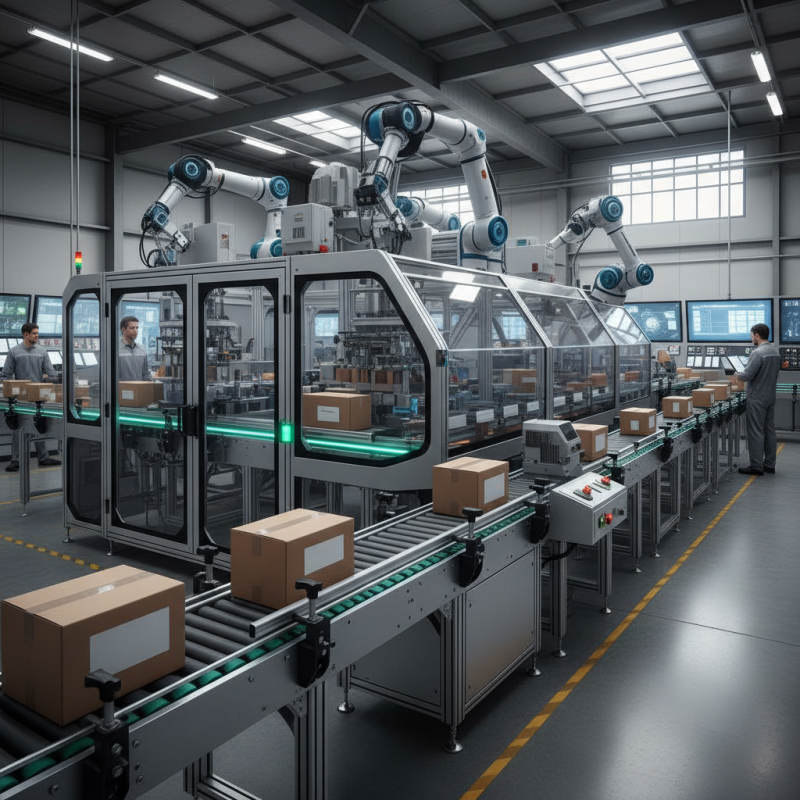
Packaging automation plays a crucial role in modern manufacturing. It streamlines production lines and minimizes human error. According to a recent study by the Packaging Automation Association, over 70% of manufacturers reported increased efficiency due to automation. This shift allows companies to produce more in less time.
Automated systems reduce labor costs significantly. A report from the International Society of Automation states that businesses can save up to 30% on labor expenses with efficient packaging solutions. However, adopting these technologies requires an initial investment. Not every company can afford the transition.
Moreover, while automation enhances productivity, it also brings challenges. Employees may need retraining, and resistance to change can occur. Some workers feel threatened by machines. Striking a balance between technology and human skills is essential. Finding the right integration can lead to a more productive workplace.
Key Benefits of Implementing Packaging Automation Equipment
In today's fast-paced manufacturing world, packaging automation equipment provides many advantages. It streamlines processes and enhances efficiency. For example, automated systems can pack products much faster than manual labor. This speed leads to higher output and shorter lead times. As a result, businesses can respond swiftly to market demands.
Moreover, consistency and accuracy are vital benefits of automation. Machines can maintain precise measurements and placements. This reduces the chance of errors that often occur with manual packing. However, reliance on technology can also have flaws. Equipment may malfunction or require maintenance. Finding the right balance between automation and human oversight is essential.
Cost savings are another compelling reason to implement automation. While the initial investment may be significant, the long-term savings can offset expenses. Labor costs decrease as machines take over repetitive tasks. Nevertheless, companies must carefully analyze their specific needs. Sometimes, the switch to fully automated systems can be overwhelming. Finding a manageable solution that suits the operation is key. This approach can unlock the full potential of packaging processes.
Why is Packaging Automation Equipment Essential for Modern Manufacturing? - Key Benefits of Implementing Packaging Automation Equipment
| Benefit |
Description |
Impact on Manufacturing |
Example Metrics |
| Increased Efficiency |
Automated packaging speeds up processes and reduces manual labor. |
Faster production rates lead to higher output. |
Up to 50% increase in output per hour. |
| Cost Reduction |
Minimizes labor costs and material waste through precision. |
Lower operational expenses enhance profit margins. |
Up to 30% reduction in packaging costs. |
| Consistency & Quality |
Provides uniform packaging and minimizes errors. |
Enhances product presentation and quality control. |
Quality assurance rates improved by 40%. |
| Scalability |
Easily adjustable to handle varying production volumes. |
Supports growth without significant downtime. |
Flexibility to scale operations by 20-100% as needed. |
| Safety Enhancements |
Reduces manual handling of hazardous materials. |
Improves worker safety and compliance with regulations. |
Accident rates decreased by 25% in automated areas. |
Types of Packaging Automation Equipment in Modern Manufacturing
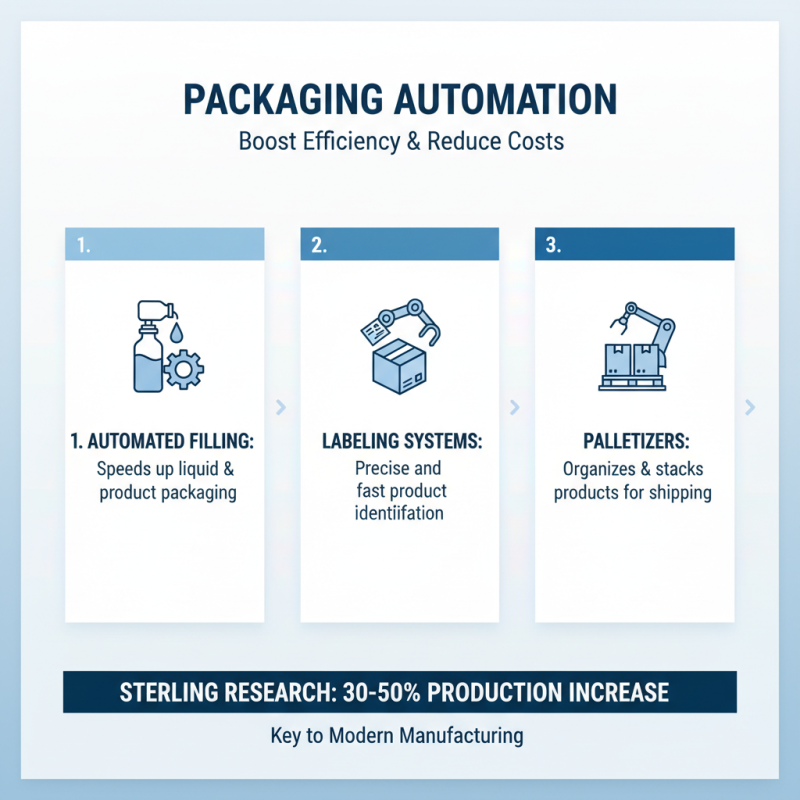
In modern manufacturing, packaging automation equipment has become crucial. Different types of equipment enhance efficiency and reduce costs. Common options include automated filling machines, labeling systems, and palletizers. According to a Sterling Research report, automation can increase production rates by 30-50%. This data underscores the importance of integrating efficient equipment into production lines.
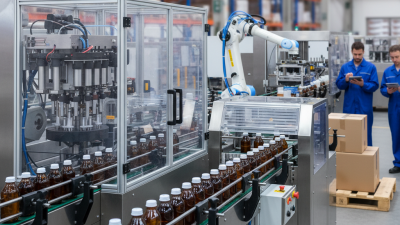
Automated filling machines streamline the process. They accurately dispense various products, from liquids to powders. Meanwhile, labeling systems ensure that every package is correctly marked. This reduces errors and supports compliance with regulations. A recent survey revealed that 70% of manufacturers experienced fewer production issues after implementing automated labeling solutions.
Palletizers handle finished products, stacking them for easy transportation. This reduces labor costs and minimizes workplace injuries. However, integrating new systems can present challenges. Workers may need training, and initial costs might deter some manufacturers. Reflecting on these aspects can lead to smarter investment decisions in packaging automation.
Challenges and Considerations for Adopting Packaging Automation
Adopting packaging automation is vital for many manufacturers. However, several challenges arise during this transition. Understanding these hurdles is essential for success.
One major challenge is employee resistance. Workers may fear job loss due to automation. Clear communication can ease these concerns.
Training programs can help employees adapt. It's crucial to involve them in the process. This can foster a sense of ownership.
Another consideration is equipment integration. New systems must work with existing production lines. Compatibility issues can create delays and frustration.
A detailed analysis of current workflows is necessary. Avoid rushing into decisions. Each step requires careful thought and planning. Balancing automation with human oversight is key.
Finding this balance can lead to smoother operations in the long run.
Future Trends in Packaging Automation Technology and Innovation
The evolution of packaging automation technology is fascinating. As industries strive for efficiency, trends are emerging that can redefine the landscape. One key trend is the adoption of artificial intelligence (AI). AI can optimize the packaging process. It minimizes waste and enhances precision. This technology allows for real-time adjustments, ensuring quality control that is consistent.
Another trend worth noting is the increase in flexibility. Modern packaging systems can adapt to different product sizes and shapes. Such versatility is invaluable. However, some systems may struggle with rapid changes. Manufacturers must find a balance between flexibility and reliability. Additionally, the integration of sustainable materials is gaining traction. Consumers demand eco-friendly options. Automation can help streamline the use of such materials while maintaining production speed.
While these innovations drive progress, challenges persist. Not all facilities can implement new technologies instantaneously. Training staff on sophisticated equipment can be daunting. It’s essential to address these hurdles to maximize the potential of packaging automation. Companies must reflect on their current capabilities and determine steps to evolve with these trends. The future of packaging automation looks promising, albeit with complexities that require careful thought and planning.
Packaging Automation Equipment Demand by Sector (2023)