Top 10 Innovative Industrial Packaging Solutions You Need to Know About
Innovations in industrial packaging solutions are transforming the landscape of supply chain management and logistics. The global industrial packaging market was valued at approximately $60 billion in 2022 and is projected to grow significantly in the coming years, reflecting a rising demand for sustainable and efficiency-driven packaging options. As industries face increasing pressure to reduce waste and improve the lifecycle of their products, innovative packaging solutions are not just an afterthought; they are becoming essential to operational success and environmental responsibility.
With advancements in materials technology and design, the latest industrial packaging solutions offer enhanced protection, durability, and sustainability. According to a recent report by Smithers Pira, companies that adopt innovative packaging solutions can experience up to a 20% reduction in costs associated with damage and waste. This growth in the sector is driven by a variety of factors, including the need for compliance with environmental regulations and the desire for improved end-user experiences. As we explore the top 10 innovative industrial packaging solutions, it is crucial to understand how these advancements are reshaping the industry and setting new standards for operational efficiency and environmental stewardship.

Revolutionary Materials Transforming Industrial Packaging
Revolutionary materials are reshaping the landscape of industrial packaging, offering innovative solutions that enhance efficiency and sustainability. One of the most significant advancements includes the use of biodegradable plastics derived from natural resources such as corn and sugarcane. These materials not only reduce reliance on fossil fuels but also promote environmental responsibility by breaking down more quickly than traditional plastics. As industries seek to reduce their carbon footprints, these alternatives are becoming increasingly popular, providing companies with the opportunity to meet both regulatory standards and consumer demand for greener practices.
In addition to biodegradable options, smart packaging technologies are making waves in the industrial sector. These solutions incorporate sensors and indicators that can monitor the condition of the product throughout its lifecycle, ensuring optimal quality and safety. For instance, temperature-sensitive inks can alert handlers if a package has been exposed to temperatures outside of acceptable ranges, thus preventing spoilage and waste. By integrating such technologies, businesses can improve supply chain efficiency and enhance product traceability, ultimately driving innovation in how goods are packaged and transported.
Sustainable Packaging Solutions for a Greener Future
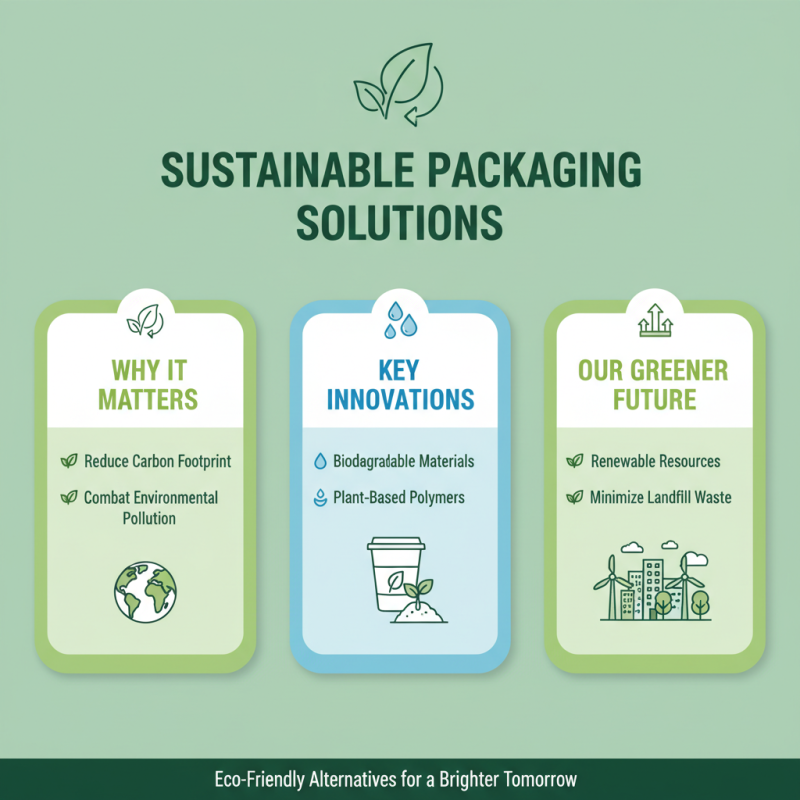
Sustainable packaging solutions are becoming increasingly essential in addressing environmental concerns and promoting a greener future. As industries face mounting pressure to reduce their carbon footprints, innovative packaging materials that prioritize sustainability are gaining traction. Biodegradable materials, for example, are emerging as viable alternatives to traditional plastics, breaking down naturally and minimizing environmental impact. These materials are often derived from renewable resources, such as plant-based polymers, making them much more eco-friendly.
In addition, the adoption of reusable packaging systems is gaining popularity across various sectors. These systems encourage a circular economy by allowing consumers and businesses to reuse packaging multiple times before it is recycled or disposed of. Furthermore, advancements in packaging design, which utilize minimal materials without compromising functionality, are contributing to waste reduction and resource efficiency. By focusing on sustainable innovations, industries can significantly reduce their environmental impact while meeting consumer demands for eco-responsible practices.
Smart Packaging Technologies Enhancing Supply Chain Efficiency
Innovative smart packaging technologies have emerged as vital tools in enhancing supply chain efficiency across various industries. By integrating advanced materials and digital solutions, these packaging systems not only protect products but also provide real-time data on their condition and location throughout the shipping process. This transparency helps companies manage inventory more effectively, reduce waste, and optimize logistics operations.
One significant advancement in smart packaging is the implementation of RFID (Radio Frequency Identification) tags. These tags allow for seamless tracking of goods and can be scanned without needing direct line of sight, facilitating easier inventory management. Moreover, temperature-sensitive packaging ensures that products are stored and transported under optimal conditions, reducing spoilage and enhancing product quality. As a result, businesses can respond more swiftly to demand fluctuations, ultimately leading to a more agile and efficient supply chain.
Customizable Packaging Designs for Diverse Industries
Customizable packaging designs are transforming the industrial sector by offering tailored solutions that cater to diverse industries. In a world where brand identity and sustainability matter, businesses are increasingly relying on packaging that reflects their values and meets specific operational needs. Customizable options allow industries to select materials, sizes, and shapes that optimize their product protection and enhance their market presence. Whether it's for food and beverage, electronics, or pharmaceuticals, tailored packaging helps companies stand out while ensuring optimal safety and functionality.
Tips for businesses looking to implement customizable packaging include assessing your product’s dimensions and weight to select the right materials that will provide adequate protection without wasting resources. Engage with your packaging supplier early in the design process to explore innovative solutions that might not have been considered. Moreover, consider the end-user experience; packaging that is easy to open and dispose of can contribute to customer satisfaction and brand loyalty.
Lastly, sustainability should be at the forefront of every packaging decision. Investigate eco-friendly materials and designs that minimize waste while still providing the functionality needed for industry purposes. In an era where environmental responsibility is paramount, offering customizable solutions that prioritize sustainability can differentiate your brand and strengthen your market position.
Top 10 Innovative Industrial Packaging Solutions You Need to Know About
| Packaging Solution |
Industry Application |
Key Features |
Sustainability |
| Biodegradable Packaging |
Food & Beverage |
Compostable materials, reduces carbon footprint |
Yes |
| Smart Packaging |
Pharmaceuticals |
Sensors for monitoring freshness |
No |
| Reusable Containers |
Retail |
Durable, designed for multiple cycles |
Yes |
| Vacuum Sealed Packaging |
Food & Beverage |
Extends shelf life, minimizes spoilage |
No |
| Active Packaging |
Electronics |
Absorbs moisture and improves product longevity |
Yes |
| Edible Packaging |
Food & Beverage |
No waste, adds nutritional value |
Yes |
| Paper-based substitutes |
Consumer Goods |
Replicates plastic properties, recyclable |
Yes |
| Transparent Packaging |
Retail |
Enhances product visibility, aesthetic appeal |
No |
| Flexible Packaging |
Personal Care |
Lightweight, space-saving |
Yes |
| Customizable Inserts |
Electronics |
Protects items during shipping, tailored fit |
Yes |
Trends Shaping the Future of Industrial Packaging Solutions
The evolution of industrial packaging solutions is significantly influenced by emerging trends that focus on sustainability, efficiency, and technology integration. One prominent trend is the shift towards eco-friendly materials, as companies are increasingly seeking ways to minimize their environmental impact. This includes the use of biodegradable or recyclable packaging materials which not only appeal to environmentally conscious consumers but also comply with stricter regulatory standards. Additionally, innovative designs that reduce waste and promote reuse are gaining traction, allowing businesses to enhance their sustainability profiles while maintaining functional efficacy.
Another key trend is the integration of smart technology into packaging solutions. Advances in IoT (Internet of Things) have led to the development of smart packaging that can monitor and communicate data regarding the product's condition throughout its lifecycle. This capability enhances traceability, allows for real-time temperature control, and improves inventory management. As digitalization continues to permeate various sectors, the incorporation of these technological advancements into industrial packaging is becoming paramount, offering a competitive edge by increasing efficiency and ensuring product integrity during transit.