How to Improve Food Packaging Automation for Better Efficiency?
In the fast-paced world of food packaging automation, efficiency is key. Experts continuously seek ways to enhance processes. John Smith, a leading automation specialist, once noted, “Automation must evolve to meet the changing demands of the food industry.” His insight highlights the urgency for improvement.
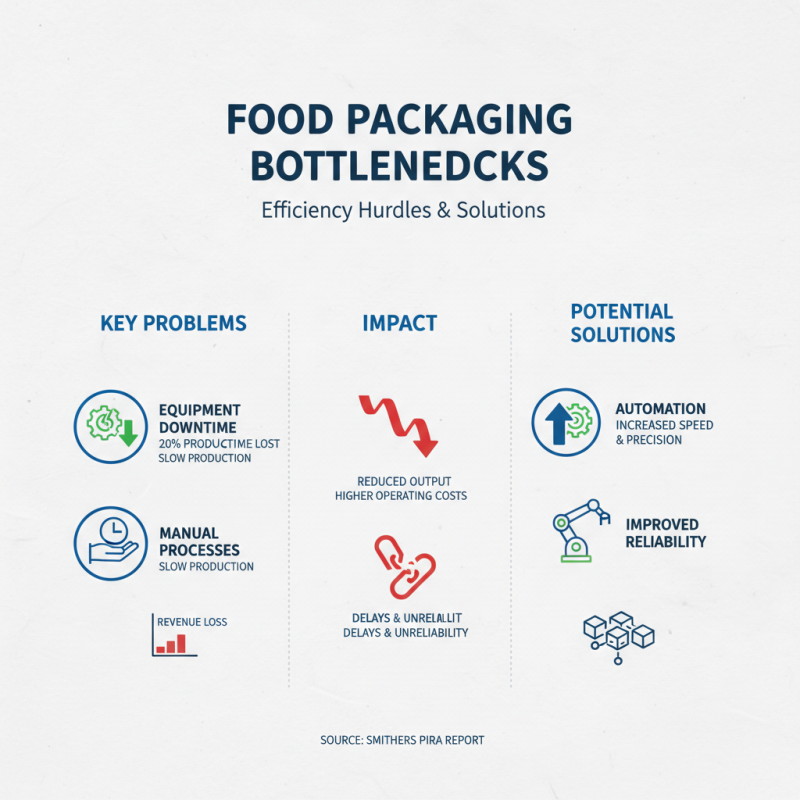
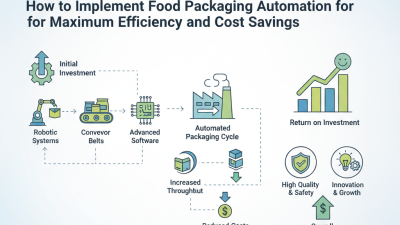
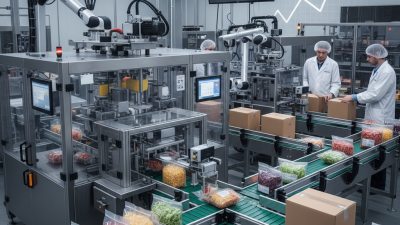
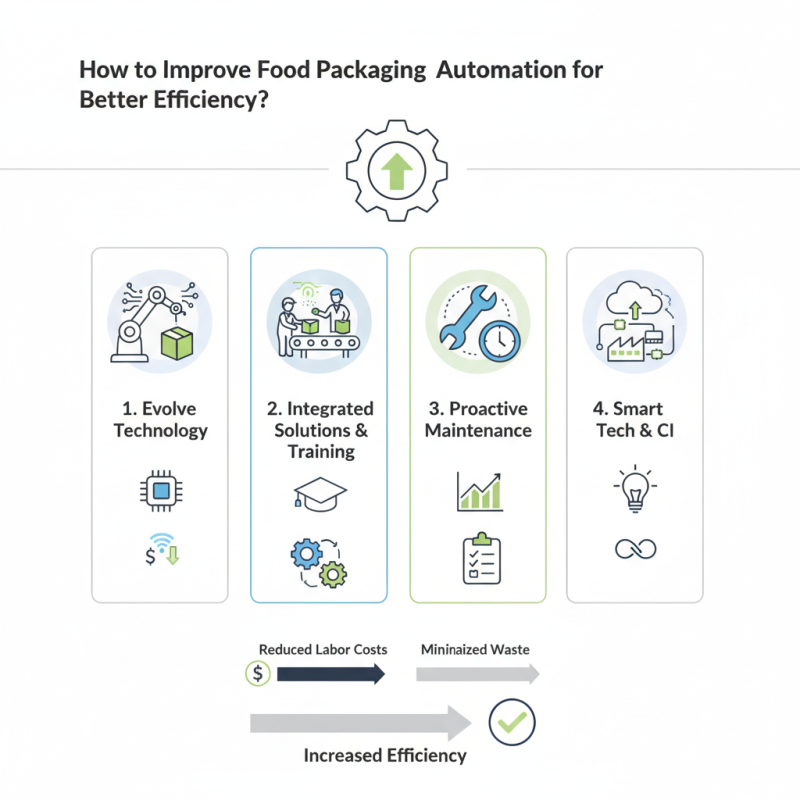
Food packaging automation significantly impacts production lines. Streamlined systems can reduce labor costs and minimize waste. However, many companies still struggle with outdated machinery. Enhancing technology alone is not enough. Training staff and integrating new solutions are critical.
Additionally, issues such as machinery breakdowns can disrupt workflows. A company may invest heavily in automation but still fall short. Regular assessments are essential to identify weaknesses. Failing to address these gaps can hinder overall efficiency. Implementing smarter technologies and continuous improvement efforts can pave the way for success in food packaging automation.
Assessing Current Food Packaging Automation Technologies
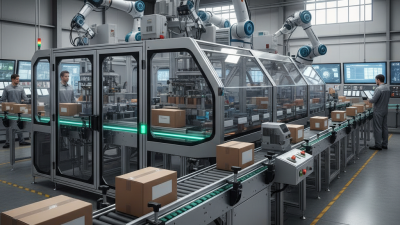
Assessing current food packaging automation technologies reveals diverse opportunities for improvement. Automation in this sector enhances efficiency, reduces labor costs, and minimizes errors. Reports indicate that automated packaging can increase production speeds by up to 30%, improving supply chain responsiveness. However, many companies still depend on outdated systems. This reliance can lead to inefficiencies and slow reaction times.
Implementing advanced technologies like AI and IoT can significantly enhance packaging processes. These innovations allow for real-time monitoring of operations. They also enable predictive maintenance, reducing downtime by an estimated 25%. However, not every organization is ready for such investments. Budget constraints and a lack of skilled personnel can hinder progress.
Tips:
- Regularly assess your existing technology.
- Identify bottlenecks in your current workflow.
- Invest in training staff to adapt to new systems.
- Embrace gradual upgrades rather than full overhauls.
This strategy minimizes disruption and encourages a smoother transition. Continually reassess and refine automation strategies to stay competitive.
Implementing Smart Sensors and IoT for Real-Time Monitoring
In the era of digital transformation, implementing smart sensors and IoT technology in food packaging automation is essential. Recent studies show that 70% of businesses report significant efficiency gains after adopting these technologies. Smart sensors can provide real-time monitoring of packaging processes, which helps in maintaining product quality. When utilized effectively, these sensors can reduce waste by up to 30%.
For effective implementation, it's crucial to integrate IoT systems seamlessly. Ensure that the data collected from sensors is analyzed promptly. Companies can predict potential failures and address them before they affect production. It’s important to assess existing infrastructure; many companies struggle with outdated systems.
Upgrading these systems is not always straightforward but necessary for growth.
Tips: Start with a pilot project. Test smart sensors on a small scale to evaluate their effectiveness. Also, engage employees in this transition. Their feedback is invaluable. Continual training can maximize the benefits of new technology. Not every company embraces change easily; examining past missteps can guide future decisions. Rethink your strategies regularly to stay ahead in efficiency.
Enhancing Workflow through Data Analytics and AI Integration
In today's fast-paced food industry, data analytics and AI integration play crucial roles in enhancing workflow efficiency. A report by MarketsandMarkets reveals that the global market for AI in food packaging is projected to reach $1.2 billion by 2024. This highlights a growing awareness of the importance of optimizing packaging processes through technology.
Applying analytics can help identify bottlenecks in the packaging line. For instance, real-time data monitoring can show where delays occur. With these insights, companies can adjust staffing or machinery setups. AI can predict equipment failures before they happen, reducing downtime. Recent studies indicate that predictive maintenance can lower operational costs by up to 30%. Yet, many businesses struggle with the initial implementation of these systems.
However, integrating such technologies isn't without challenges. Employees may resist changes to established workflows. Training staff to use new tools effectively requires time and resources. Moreover, data privacy concerns can complicate the implementation of advanced analytics. Companies need to consider these factors deeply while pursuing automation enhancements in food packaging processes. Balancing innovation with these real-world challenges is critical for long-term success.
Training Workforce for Effective Use of Automated Systems
In today's food packaging industry, automation plays a pivotal role in efficiency. However, the backbone of effective automation lies in a well-trained workforce. Reports indicate that companies investing in workforce training see a 20% increase in production efficiency. Proper training ensures that employees handle automated systems adeptly, reducing errors and downtime.
To achieve this, focus on hands-on training sessions. Use real-life scenarios to practice operational challenges. Engage employees with short tutorials and visual aids. These enhance understanding and retention of crucial information. Additionally, regular updates and refreshers are vital. Automation technology evolves quickly; staying updated is a necessity.
Consider integrating team-building activities that foster collaboration. When workers feel connected, they communicate better about automated processes. That's essential for identifying potential inefficiencies in the workflow. Regular feedback loops between supervisors and workers can also highlight areas needing improvement. Automation is not perfect, and being open to learn is key.
How to Improve Food Packaging Automation for Better Efficiency?
| Aspect |
Description |
Current Status |
Improvement Suggestions |
| Automation Technology |
Using advanced robotics and AI for packaging. |
Moderate integration with manual oversight. |
Invest in fully autonomous systems. |
| Workforce Training |
Training employees on automated systems. |
Basic training programs in place. |
Implement comprehensive training modules. |
| Maintenance Protocol |
Routine checks and maintenance of machinery. |
Scheduled maintenance every quarter. |
Adopt predictive maintenance systems. |
| Efficiency Metrics |
Tracking production rates and downtimes. |
Data collected but underutilized. |
Enhance data analytics capabilities. |
| Feedback Mechanism |
Collecting team feedback for improvements. |
Informal feedback channels exist. |
Establish formal feedback sessions. |