Exploring Opp Plastic Packaging at China Import and Export Fair?
The 139th China Import and Export Fair, scheduled for April and May 2026, promises an exciting platform for showcasing innovations in Opp Plastic Packaging. This industry has been marked by rapid growth, with the global market expected to reach $49 billion by 2025, driven by rising consumer demand for lightweight and durable packaging solutions.
Opp Plastic Packaging stands out due to its superior barrier properties and eco-friendliness, appealing to various sectors. However, there are challenges to address, such as recycling processes and environmental sustainability. Reports indicate that less than 30% of plastic packaging is recycled globally, highlighting a significant area for improvement.
As the Fair integrates AI smart search features, it offers suppliers a unique opportunity to connect with buyers focused on certified standards like ISO and CE. Yet, while efficiency is crucial, reliance on technology can overlook the human aspect of business relationships. Engaging in meaningful dialogues about sustainability in Opp Plastic Packaging should remain a priority for all stakeholders involved.
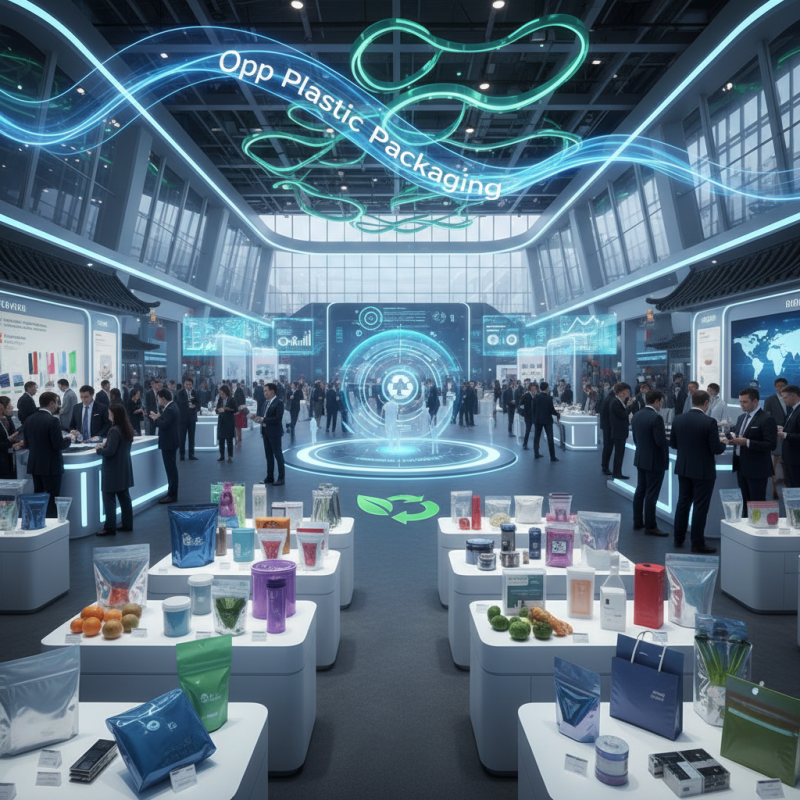
Overview of Opp Plastic Packaging Features and Applications
Opp plastic packaging is gaining traction in various industries due to its unique features. This packaging material offers high clarity and gloss, making products visually appealing. Its excellent barrier properties protect against moisture, oxygen, and contaminants. According to a recent report from MarketsandMarkets, the global market for OPP packaging is projected to grow at a CAGR of 4.6% from 2023 to 2028.
Applications of OPP plastic packaging span across food, cosmetics, and electronics. In the food sector, it helps extend shelf life. For cosmetics, its sheen enhances product attractiveness on shelves. However, challenges exist. Some manufacturers struggle with the balance between sustainability and performance. Concerns regarding recyclability and environmental impact linger. A survey from Euromonitor International highlighted that 62% of consumers prefer sustainable packaging. This demand pressures companies to innovate.
Despite its advantages, there's a need for a critical approach. OPP packaging can be costly for small businesses. It may not always be the best choice in terms of overall cost efficiency. As the industry evolves, finding a sustainable and cost-effective solution will remain essential. Engaging consumers with transparency on materials used could also improve brand loyalty.
Significance of Opp Plastic Packaging in Trade at the China Import and Export Fair
The China Import and Export Fair serves as a key platform for international trade. At this event, OPP plastic packaging plays a vital role. In recent years, the adoption of OPP (Oriented Polypropylene) packaging has surged. This material is valued for its lightweight yet durable properties. According to recent industry reports, OPP packaging can enhance product visibility and shelf life significantly.
Data shows that around 45% of exhibitors at the fair utilize OPP packaging to attract buyers. Its glossy finish provides a professional appearance for products, making them more appealing. However, despite its advantages, there are areas of concern. The recyclability of OPP materials is still under scrutiny. Many companies are now facing challenges with sustainability. They must balance aesthetics and environmental impact.
As global pressure mounts for eco-friendly practices, stakeholders in the trade must rethink their strategies. Transitioning to biodegradable alternatives could reduce negative perceptions around plastic. The fair highlights this urgent need for more sustainable options. Engaging in discussions about OPP's future can inspire innovation while maintaining trade relations.
Analysis of Market Trends for Opp Plastic Packaging in China
The market for OPP plastic packaging in China is dynamic and ever-evolving. Recent trends show a growing demand from various sectors. Industries such as food, cosmetics, and electronics are increasingly relying on OPP materials. This shift points to a broader focus on sustainability and lightweight packaging.
Many businesses are now seeking eco-friendly options. However, challenges remain. Several manufacturers struggle with balancing quality and costs. The pursuit of sustainability can lead to higher production expenses. Some firms cut corners, risking product integrity. This inconsistency can harm their reputation.
Tips: Conduct thorough research before sourcing OPP packaging. Focus on suppliers that prioritize quality. Visit trade fairs to explore new innovations. Networking can help identify reliable partners. Always evaluate the environmental impact of your choices. Consider local regulations to avoid potential pitfalls.
Sustainability Considerations for Opp Plastic Packaging in Global Supply Chains
Sustainability concerns in global supply chains are gaining traction. Opp plastic packaging is widely used, but its environmental impact is daunting. According to a recent report by the International Plastic Waste Coalition, over 300 million tons of plastic are produced yearly, with a significant portion being single-use. This statistic drives the need for sustainable practices in packaging.
Tips: Consider the source of materials when evaluating sustainability. Using recycled materials can drastically reduce carbon footprints.
Opp plastic packaging can be recycled, yet only 9% of all plastics are recycled globally. This statistic reveals a glaring gap in recycling practices. Industries must shift focus toward more eco-friendly alternatives. Education about proper disposal methods is essential, as many consumers lack awareness.
Tips: Engage with local recycling programs. Promoting these efforts can enhance sustainability metrics. Collaboration with suppliers can also lead to better practices.
Reflecting on sustainability isn't just about choosing materials; it involves changing mindsets. The push for transparency in supply chains is critical. Companies must assess their entire lifecycle impacts. Adopting a circular economy approach should be the goal.
Challenges and Innovations in Opp Plastic Packaging Industry
The OPP plastic packaging industry is at a critical juncture. At the China Import and Export Fair, various stakeholders address the challenges faced. This packaging type is popular due to its clarity, flexibility, and low cost. However, the environmental impact raises concerns. Many consumers now demand more sustainable solutions.
Innovation is crucial in this sector. New materials are being explored to improve recyclability. Lightweight designs help reduce transportation costs. Yet, progress often feels slow. Many companies struggle to balance cost and sustainability. Developing biodegradable alternatives is expensive and requires time.
Quality control remains a significant issue. Minor flaws in the production process can lead to waste. Many manufacturers need better training to enhance consistency. As the market grows, so does competition. Companies must adapt quickly or risk falling behind.