Why Are Industrial Food Packaging Machines Essential for Modern Food Production?
In today’s fast-paced world, industrial food packaging machines play a crucial role in food production. These machines enhance efficiency and ensure food safety. Different types of packaging equipment cater to diverse food products, from liquids to solids. Their versatility is vital for meeting consumer demands.
With the rise of e-commerce, the need for reliable packaging has grown. Food must remain fresh during transit. Industrial food packaging machines help preserve quality and prevent contamination. Yet, not all machines are created equal. Some lack precision, leading to waste and inefficiency. This reflects the ongoing need for improvement in technology.
Consumers are increasingly aware of packaging waste. Machines must adapt to eco-friendly materials. The industry faces pressure to innovate while minimizing environmental impact. These challenges highlight the importance of continuous development in industrial food packaging machines. They are not just tools but essential assets in modern food production.
The Role of Industrial Food Packaging Machines in Food Safety
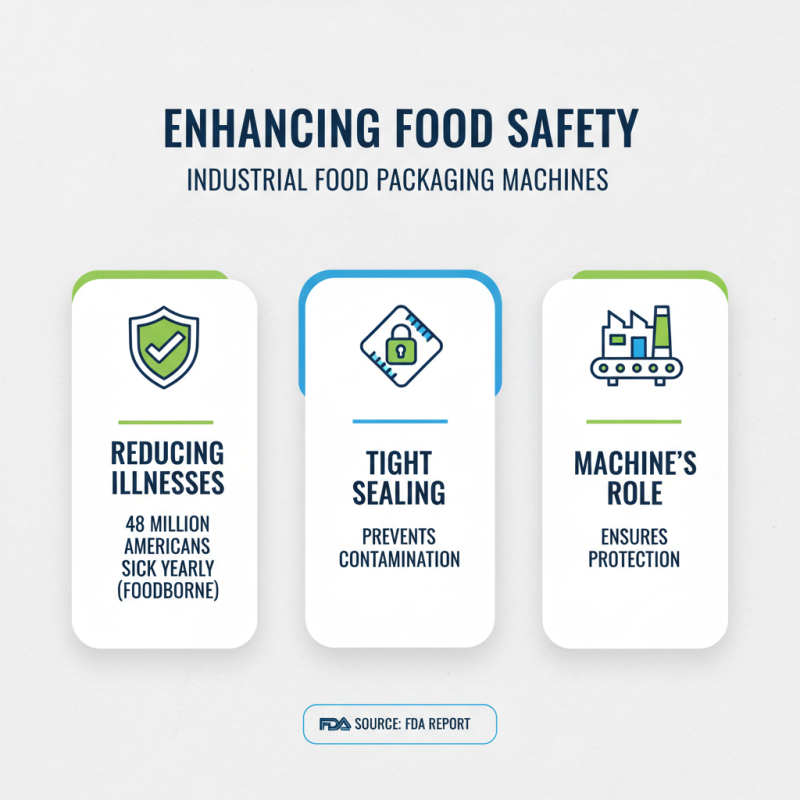
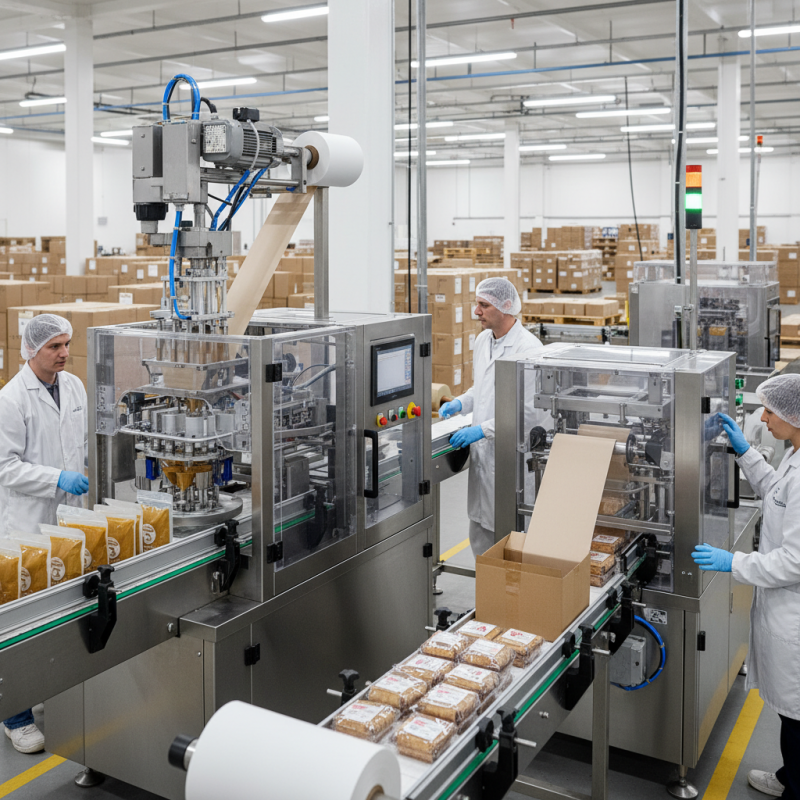
Industrial food packaging machines play a critical role in enhancing food safety. According to a report by the Food and Drug Administration, about 48 million people in the U.S. get sick from foodborne illnesses each year. Proper packaging helps reduce this number. These machines ensure that food products are sealed tightly and protected from contamination.
Moreover, packaging machines maintain optimal conditions during storage. These machines control temperature and humidity. A study from the Institute of Food Technologists shows that up to 30% of food can spoil due to poor packaging. This waste not only impacts businesses but also contributes to environmental concerns.
However, not all machines are foolproof. Some packaging solutions can compromise food integrity. Materials may react with food, leading to unsafe consumption. Investing in the latest technology is vital. Regular audits and updates can help identify risks and enhance food safety protocols. These measures, while necessary, often come with high costs that some businesses may hesitate to bear. Balancing safety and budget continues to be a challenge.
Enhancing Efficiency: Speed and Precision in Food Packaging
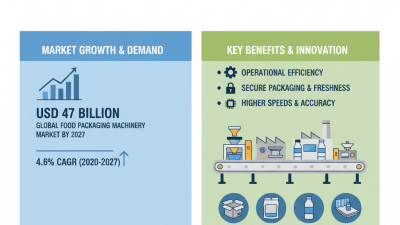
In modern food production, efficiency is crucial. Industrial food packaging machines play a vital role in enhancing speed and precision. According to a report by Smithers Pira, the global food packaging market is expected to reach $400 billion by 2024, largely driven by advancements in packaging technology. Fast and accurate packaging reduces waste and ensures product freshness.
These machines can package thousands of items per hour. This capability minimizes labor costs and boosts productivity. However, not all machines deliver the same results. Some may struggle with different package sizes or materials. This inconsistency can lead to errors, affecting the supply chain. For example, a mispackaged product can result in customer dissatisfaction and financial loss.
Precision in packaging also influences food safety. Improper sealing can lead to contamination. A study indicated that around 10% of packaged food items face issues related to sealing and freshness. This calls for ongoing improvement in machine technology. Companies must assess their packaging lines to avoid pitfalls. Balancing speed and quality is essential for success in a competitive market.
Efficiency in Food Packaging: Speed and Precision
Reduction of Waste: How Packaging Machines Contribute to Sustainability
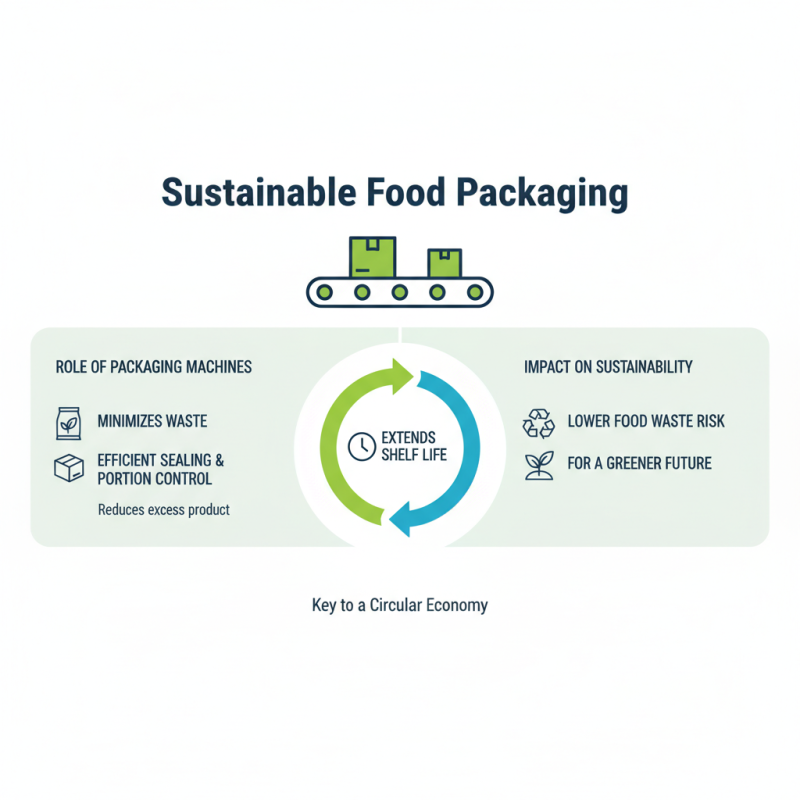
In modern food production, packaging machines play a crucial role. They help in minimizing waste, which is essential for a sustainable future. With efficient sealing and portion control, these machines reduce excess products that can spoil. Proper packaging extends shelf life, lowering the risk of food waste.
However, achieving sustainability is not a straightforward task. Some machines still rely on single-use plastics. This creates dilemmas for companies aiming to be eco-friendly. It's important to continuously explore biodegradable materials and recyclable options. Many industries face the challenge of balancing costs and environmental responsibility.
Additionally, the operation of these machines consumes energy. While advancements are made to enhance efficiency, there’s still room for improvement. Regular maintenance can optimize their performance, yet some businesses overlook this. Reflection on these practices can lead to significant improvements in waste reduction. Embracing this mindset could drive the industry toward a more sustainable future.
Compliance with Regulatory Standards in Food Packaging Processes
In the realm of modern food production, compliance with regulatory standards is critical. The food packaging process must meet strict guidelines. According to a 2023 report by the Food and Drug Administration, up to 40% of food waste is linked to packaging failures. This highlights the need for reliable machines that ensure proper sealing and contamination prevention.
Industrial food packaging machines play a vital role in adhering to these safety standards. They reduce the risk of spoilage, making food safer for consumers. For instance, machines that utilize modified atmosphere packaging can extend shelf life by 25%. However, not all equipment complies fully. Regular audits reveal that many facilities fail to update their machinery, increasing risks associated with outdated technology.
Fostering an environment of compliance requires more than just machinery. Employee training is essential. A 2022 industry survey noted that 35% of packaging errors stemmed from improper handling. Addressing these gaps is crucial. Efforts to enhance operational protocols may lead to significant improvements. The challenge lies in sustaining a vigilant, adaptable approach in this evolving industry.
Why Are Industrial Food Packaging Machines Essential for Modern Food Production? - Compliance with Regulatory Standards in Food Packaging Processes
| Dimension |
Description |
Importance |
| Efficiency |
Automated packaging speeds up the production process. |
Increase in output and reduced labor costs. |
| Consistency |
Uniformity in packaging ensures quality and safety. |
Meets consumer expectations and regulatory compliance. |
| Regulatory Compliance |
Machine designs often adhere to food safety standards. |
Avoids legal penalties and enhances brand reputation. |
| Flexibility |
Capable of adjusting to different packaging formats and sizes. |
Supports diverse product lines and market demands. |
| Traceability |
Facilitates monitoring of production batches. |
Enhances safety and quality assurance for consumers. |
The Economic Impact of Industrial Packaging on Food Production Costs
Industrial food packaging is pivotal in reducing production costs. According to recent studies, up to 30% of food production expenses are linked to packaging. Efficient packaging minimizes waste and enhances product shelf life. This efficiency translates into significant savings for manufacturers.
Tips: Always assess the packaging machinery's performance. Monitor waste levels and labor costs. These factors directly impact your bottom line.
Investing in advanced packaging technology can yield impressive results. For instance, automated packaging systems can speed up production rates by 50%. However, not every operation can afford this upgrade. It’s crucial to weigh the initial costs against potential savings. Smaller businesses may struggle with this balance.
Tips: Consider leasing machinery as an alternative. It allows for flexibility without the initial cash outlay. Focus on scalable solutions that adapt as your production grows.