What is a Cnc Bending Machine and How Does it Work?
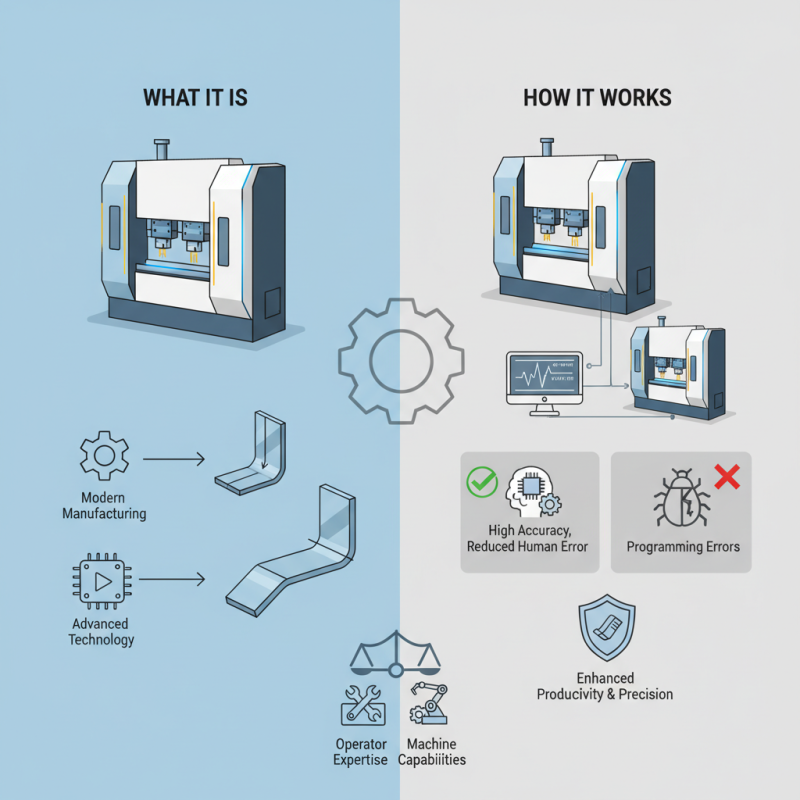
A Cnc Bending Machine is an essential tool in modern manufacturing. It offers precision in shaping metal materials into various forms. With advanced technology, it allows for high accuracy and efficiency in bending processes. Operators can program the machine to achieve complex designs. This adaptability makes it a favorite among engineers and manufacturers.
Understanding how a Cnc Bending Machine works reveals its inner complexity. The machine employs computer numerical control to guide its movements. This ensures that every bend meets exact specifications. It significantly reduces the chances of human error. However, it’s crucial to remember that programming errors can lead to incorrect bends.
Many professionals appreciate the capabilities of a Cnc Bending Machine. It stands out in a market filled with traditional bending methods. Yet, operators should continually assess their skills and knowledge. Relying solely on technology may not lead to the best outcomes. Balancing expertise with machine capabilities fosters better results. Embracing this dual approach can enhance overall productivity and precision in metal forming.
What is a CNC Bending Machine?
CNC bending machines are advanced tools that shape metal by bending it with precision. These machines use computer numerical control (CNC) to automate the bending process. This technology allows for highly accurate bends, which reduce the need for manual adjustments. The machine reads a programmed design and executes the bending with remarkable consistency.
A CNC bending machine often features a variety of tooling options. This flexibility enables it to handle different metal types and thicknesses. Operators can create complex shapes that would be difficult with manual methods. However, relying solely on technology may lead to an overconfidence in the machine. It's crucial to regularly check the setups and perform maintenance. Inconsistent calibrations can impact the quality of bends, emphasizing the importance of both skill and machine reliability.
Using a CNC bending machine might seem straightforward. Still, understanding its operation requires experience and knowledge. The intricacies of programming and tooling demand careful attention. This depth of understanding can significantly enhance the production process. Despite the efficacy of CNC machines, human insight remains essential. Balancing technology with skilled oversight leads to the best results.
What is a CNC Bending Machine and How Does it Work?
| Feature | Description |
| Machine Type | CNC Bending Machine |
| Process | Bending metal sheets using programmed CNC controls |
| Material Compatibility | Aluminum, Steel, Copper, and other metals |
| Applications | Manufacturing parts for automotive, aerospace, and construction industries |
| Control System | Computer Numerical Control (CNC) software |
| Key Benefits | High precision, repeatability, and efficiency |
| Common Models | Electromechanical and hydraulic CNC bending machines |
Key Components of a CNC Bending Machine
CNC bending machines are pivotal in various manufacturing processes. They enable precise bending of metal sheets and tubes, enhancing efficiency. Key components of a CNC bending machine greatly influence its functionality and precision.
The control console drives the CNC bending machine. It allows operators to input specifications and desired angles. Usually, user-friendly interfaces with digital displays make adjustments easier. Additionally, the hydraulic system plays a crucial role. It provides the power necessary for bending materials. This system must be reliable, as any failure can disrupt production.
Another vital component is the tooling setup. This includes dies and punches that define the bend's shape. Selecting the right tooling can significantly affect accuracy. Operators often face challenges in adjusting the tooling for various materials. It requires experience to achieve the desired results consistently. Each component works in harmony, yet frequent maintenance is essential. Wear and tear can compromise performance over time. Even the best machines need regular checks to ensure reliability.
CNC Bending Machine Production Capacity
How CNC Bending Machines Operate: A Step-by-Step Guide
CNC bending machines are vital tools for transforming metal sheets into desired shapes. These machines operate through a precise process that starts with programming the desired design into a computer. Once set, the machine moves its bending tool over a metal sheet, applying force at exact angles. This process ensures accuracy and efficiency, reducing human error.
Tips: Always check your material specifications before starting. Using the wrong thickness can lead to poor results.
The machine's hydraulic or electric mechanisms play a crucial role in this operation. They provide consistent pressure and support throughout the bending process. Accurate positioning is key; any misalignment can result in defects. Familiarize yourself with the controls and settings of your machine to avoid common pitfalls.
Tips: Regular maintenance is essential. This not only prolongs the machine's life but also enhances its performance. Keep an eye on the bending tool for wear and tear.
Understanding your CNC bending machine’s limits is crucial. Not every material bends the same way. Always test with scraps before proceeding with your actual work to ensure your settings are correct. Bending is an intricate process, and attention to detail can make all the difference.
Applications of CNC Bending Machines in Various Industries
CNC bending machines play a crucial role across various industries. In manufacturing, they accurately shape metal sheets and tubes. This precision is essential for creating parts that fit together flawlessly. Industries like automotive, aerospace, and construction heavily rely on CNC bending machines for their designs.
In the automotive sector, these machines create components like brackets and frames. They ensure strength and flexibility, which is vital for vehicle performance. Aerospace companies use CNC bending to craft lightweight structures. These components must meet strict standards for safety and efficiency.
Tip: Regular maintenance of CNC bending machines improves longevity and performance. Operators should frequently check for alignment and calibration issues. Addressing minor problems can prevent larger breakdowns.
In construction, bending machines aid in fabricating rebar and structural steel. Properly bent materials enhance building integrity. However, some challenges often arise, such as material warping or incorrect bending angles. Continual training for operators helps reduce these mistakes.
Tip: Ensure workers are well-trained in machine operation. Knowledgeable operators can spot potential issues early. Investing in staff education can save time and resources in the long run.
Benefits of Using CNC Bending Machines for Metal Fabrication
CNC bending machines play a crucial role in modern metal fabrication. These machines allow manufacturers to bend metal sheets with precision and consistency. The automation involved minimizes human error and speeds up production. As a result, projects can be completed faster without compromising quality.
Using CNC bending machines brings significant benefits. The machines provide accurate bends every time, which is vital for parts that need to fit together perfectly. This high level of precision ensures that materials aren't wasted on rework. Additionally, CNC machines can handle complex shapes and multiple bends, expanding design possibilities. The flexibility they offer can greatly enhance a fabricator's capabilities.
However, it's essential to remember the operator's role in the process. While CNC machines automate many functions, an experienced operator is still needed. Understanding the machine's limits and settings is critical. Mistakes can lead to costly errors. Continuous training and attention to detail are necessary for optimal results.