The Duravant family of operating companies serve the food processing, packaging and material handling segments.

Choosing a Portable Gas Detector is not just a matter of comparing prices or counting sensors. The right device depends on the gases present, the worksite, and how workers will use it. A meter carried near a worker’s chest faces different conditions from one used in a damp utility vault. Dust, temperature changes, and short battery life can all affect daily use. Small details matter.
Safety researcher James Reason wrote, “We cannot change the human condition, but we can change the conditions under which humans work.” His principle, from Managing the Risks of Organizational Accidents, is not specific to gas detectors, but it is useful here. A well-chosen detector can support safer work; it cannot replace training, maintenance, or sound procedures. That distinction is easy to overlook.
This guide explains how to match a Portable Gas Detector to the hazards and tasks it must handle. It covers sensor types, alarm options, battery life, durability, calibration, and ease of use. Consider a clear display viewed through safety glasses, or an alarm heard over machinery. Those practical tests can reveal more than a specification sheet. No model fits every workplace. And a feature that looks essential on paper may be awkward in a gloved hand. The selection process can still leave uncertainty; equipment choices deserve review as work conditions change.
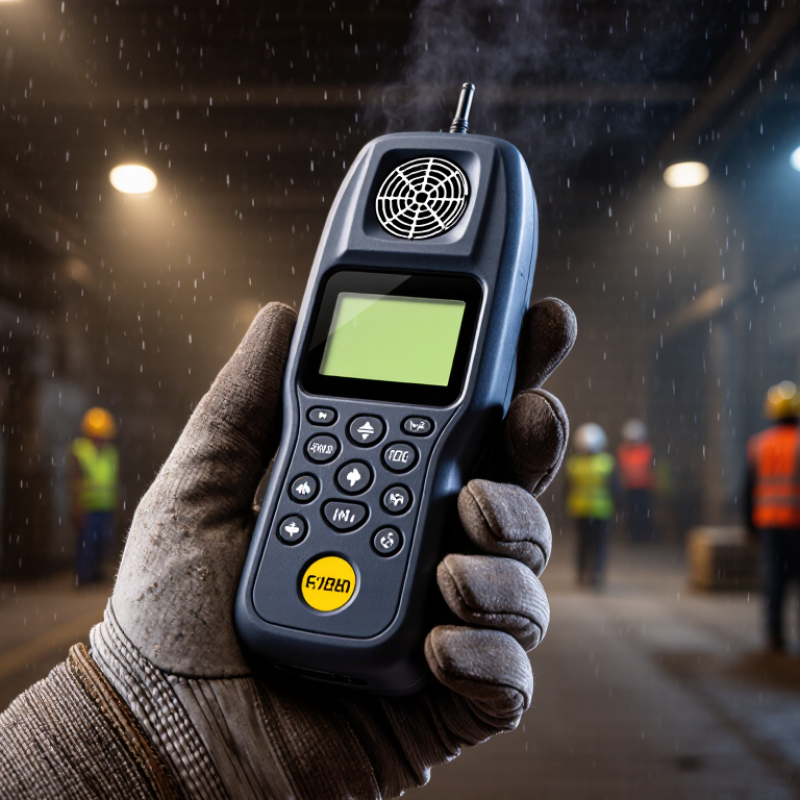
Before choosing a portable gas detector, list the gases that could actually be present. Review process chemicals, safety data sheets, nearby equipment, and the work task. A tank-cleaning job may involve oxygen deficiency, while a loading area could expose workers to fuel vapors. Carbon monoxide and hydrogen sulfide need different sensors. A “four-gas” configuration is not automatically right.
OSHA’s confined-spaces rule identifies oxygen below 19.5% or above 23.5% as hazardous, and flammable gas above 10% of its lower flammable limit as a hazard (29 CFR 1910.146). These are useful reference points, not universal clearance limits. Check local requirements and task-specific exposure limits. The NIOSH Pocket Guide provides gas-specific exposure and IDLH information for planning sensor ranges. Small details matter. Consider likely concentration, humidity, temperature, and cross-sensitivities; some sensors can respond to gases they were not meant to measure. It is easy to over-specify a detector, or to choose one because it is familiar. That assumption deserves a second look. Confirm the sensor matches the hazard, then verify calibration and bump-test procedures before work begins.
Compare the example U.S. OSHA exposure limits below when considering toxic-gas monitoring channels.
Carbon monoxide and ammonia have 8-hour time-weighted-average limits; hydrogen sulfide and chlorine values shown are ceiling limits. These limits use different averaging periods and are not directly comparable or detector alarm settings. Identify site-specific hazards first, and also assess whether oxygen or combustible-gas monitoring is needed. Confirm applicable local requirements before selecting a detector.
Reference: U.S. OSHA permissible exposure limits. Values shown: CO 50 ppm (8-hour TWA), NH₃ 50 ppm (8-hour TWA), H₂S 20 ppm (ceiling), Cl₂ 1 ppm (ceiling).
Start by identifying which gases the detector must measure. A single-gas unit may suit a defined task, while a multigas detector can monitor oxygen, toxic gases, and combustible gases together. Consider the work area, likely exposure, and whether readings are needed continuously or during spot checks. More sensors do not automatically mean better protection. They can add weight and create more settings to manage.
Match sensor technology to the target gas and conditions. Electrochemical sensors commonly measure specific toxic gases or oxygen. Catalytic-bead sensors detect many combustible gases, but need enough oxygen to work correctly. Infrared sensors can detect certain combustible gases without oxygen, though they do not detect every gas. For volatile organic compounds, a photoionization detector may help screen for changing concentrations, but it does not identify every compound. Check the sensor’s measurement range, cross-sensitivities, and operating limits. Humidity and temperature can affect readings. A neat specification sheet cannot show every field condition.
Tips: Confirm the exact gas list before buying. Review sensor limits and maintenance needs with a qualified safety professional. Follow the manufacturer’s instructions for calibration and functional checks. Ask whether the device fits your gloves and can be read in dim light. Small usability details matter, and they are easy to overlook.
Choosing a portable gas detector starts with the gases and concentrations your crew may actually encounter. Check process records, safety data sheets, and the site’s exposure assessment; then compare the detector’s measurement range, resolution, and alarm settings with those hazards. A sensor that cannot measure low concentrations reliably may miss an early warning. One with an unsuitable range may be less useful during a high-concentration event.
Use authoritative exposure data to guide the comparison, not as a substitute for site-specific alarm decisions. The NIOSH Pocket Guide lists a 10 ppm, 10-minute ceiling recommendation for hydrogen sulfide and an IDLH value of 100 ppm. For carbon monoxide, it lists a 35 ppm time-weighted REL and a 1,200 ppm IDLH value. These figures describe different risk measures; an IDLH value is not a routine alarm target. Check the instrument’s full-scale range and verify that its alarms suit your workplace plan.
Performance matters in the field. Consider sensor response time, accuracy, operating temperature, humidity, and whether the unit can detect several gases at once. A worker checking a damp pump room may need different protection from someone inspecting a dry loading bay. Test the detector before use, and follow the manufacturer’s calibration and bump-test guidance. Small details matter. I’ve seen equipment choices look sound on paper, yet feel awkward with gloves or a harness; trial it in realistic work conditions.
| Worksite or task | Gas hazard to assess | Typical range to consider | Performance and sensor checks | Selection note |
|---|---|---|---|---|
| Confined-space entry Manholes, tanks, vessels, and sewers | Oxygen, flammable gases or vapors, and likely toxic gases such as hydrogen sulfide or carbon monoxide | Oxygen: 0–25% vol; flammables: 0–100% LEL; toxic-gas ranges selected for the gases expected, commonly H₂S 0–100 ppm and CO 0–500 ppm | Check that all required sensors are fitted; review alarm settings, response time, sampling method, and suitability for remote probe sampling if needed | Test the atmosphere at multiple levels before entry and continue monitoring as required by the site procedure. Follow applicable confined-space rules and permit requirements. |
| Wastewater and sewer work Wet wells, lift stations, and drainage systems | Hydrogen sulfide, oxygen deficiency, and flammable gas | H₂S: often 0–100 ppm or wider where the risk assessment requires it; oxygen: 0–25% vol; flammables: 0–100% LEL | Consider humidity and contamination resistance, a suitable sampling hose or probe, clear alarms, and a range that covers expected peaks | Do not choose a range solely from routine readings: assess potential peak concentrations and the applicable exposure limits. |
| Industrial maintenance Boilers, engines, and process areas | Carbon monoxide, oxygen, and combustible gases, depending on the process | CO: commonly 0–500 ppm; oxygen: 0–25% vol; flammables: 0–100% LEL | Check sensor range and resolution, alarm configuration, operating temperature limits, battery life, and the required ingress protection | For catalytic-bead LEL sensors, confirm the atmosphere contains enough oxygen for measurement and assess possible sensor poisons or inhibitors. |
| Solvent handling and spill response Paints, coatings, and chemical storage | Volatile organic compounds (VOCs), plus oxygen or flammable-gas hazards where relevant | PID instruments commonly display VOC readings in ppm as isobutylene equivalent; available ranges vary by instrument, often from low ppm levels to thousands of ppm | Verify lamp energy, compound response factors, humidity effects, calibration requirements, and whether the reading is suitable for the target chemical | A PID is a screening tool and does not identify every compound. Check the instrument’s detection limits and response data for the specific chemicals involved. |
| Refrigeration and industrial cooling Plant rooms and equipment service | The refrigerant specified for the system; oxygen displacement may also be a concern in enclosed areas | Select a range and detection method specifically intended for the refrigerant and the expected leak levels | Confirm refrigerant compatibility, detection limit, cross-sensitivity, response time, and whether the instrument is intended for personal safety or leak locating | Refrigerants differ in properties and sensor response. A general-purpose combustible-gas sensor may not be appropriate for every refrigerant. |
| Remote or extended-duration work Field inspection, utilities, and infrastructure | Choose the gas set from the site risk assessment; common combinations include oxygen, LEL, CO, and H₂S | Match each sensor’s full-scale range to the expected concentrations and required alarm thresholds | Consider operating duration, battery endurance, data logging, audible/visual/vibration alarms, environmental rating, and ease of bump testing | Check that the detector remains within its stated operating conditions and that bump tests, calibration, and maintenance can be completed on schedule. |
Important: Ranges and sensor configurations vary by instrument and application. Confirm the target gases, expected concentrations, alarm limits, exposure requirements, and calibration method against the site risk assessment, instrument documentation, and applicable regulations. A wider measuring range does not by itself make a detector safer; ensure the instrument can also detect concentrations relevant to the required alarms.
How to Choose a Portable Gas Detector?
Check Portability, Durability, and Operating Conditions
A portable gas detector should be comfortable to carry throughout a full shift. Compare its weight, shape, and clip position with the protective clothing and tools workers actually use. A unit that swings from a belt or catches on a jacket may be less practical than its specifications suggest. Small details matter. Check whether the display is readable in dim areas and whether buttons remain easy to use with gloves.
Durability depends on the worksite. Dust, moisture, impacts, and vibration can affect performance, so review the device’s stated protection limits and care instructions. A rugged housing helps, but it does not make a detector indestructible. Inspect the case, sensor openings, and charging contacts regularly. A lighter model is not automatically the better choice; focusing only on weight is an easy mistake.
Operating conditions should guide the final choice. Check that the detector is suitable for the gases being monitored and for expected temperature and humidity ranges. Consider battery runtime, warm-up time, alarm visibility, and whether routine bump tests and calibration are practical on site. Check the manual. Keep a record of checks, and replace sensors according to the maker’s guidance. Even careful selection has limits: changing conditions can affect readings, so workers still need training and established site procedures.
Calibration deserves more than a date written on a label. Check that the detector measures the gases and concentration ranges relevant to the work area. Follow the manufacturer’s instructions for calibration intervals, and record each test. A bump test can confirm that gas reaches the sensors and triggers a response, but it does not replace calibration. Use in-date test gas, and note its concentration and expiry date. That detail matters. A well-kept record helps reveal drift, missed checks, or recurring sensor problems.
Alarms should be easy to notice in the actual work setting. Test the audible, visual, and vibration alerts, especially if machinery is loud or workers may wear hearing protection. Confirm that alarm thresholds match the site’s safety procedures; do not assume factory settings are right for every task. Check the detector’s certification markings and verify they suit the intended environment, including any requirements for hazardous locations. A certification is not a guarantee that the device fits every use. Even a careful checklist can miss a mismatch, so compare the detector’s documentation with workplace conditions before relying on it.