How to Choose the Right Food Bagging Machine for Your Business?
In the fast-paced world of food production, choosing the right food bagging machine is crucial. With the global food packaging market expected to reach $500 billion by 2027, it is vital for businesses to keep pace. According to a report by Grand View Research, the demand for efficient packaging solutions is soaring, driven by increasing consumer expectations. However, selecting the optimal machine can be daunting.
Expert in food packaging technology, John Smith, once stated, "The right food bagging machine can significantly enhance productivity and reduce waste." His insights highlight the importance of understanding specific business needs. Many businesses overlook the unique aspects of their operations when selecting a machine. A mismatch can lead to inefficiency and increased costs.
Additionally, the variety of options available in the market can be overwhelming. High-speed machines, for instance, may not fit every business model. Careful evaluation of output needs and budget constraints is essential. Many companies rush the decision-making process, resulting in regret later. Taking the time to assess requirements can lead to better long-term outcomes.
Understanding Different Types of Food Bagging Machines Available
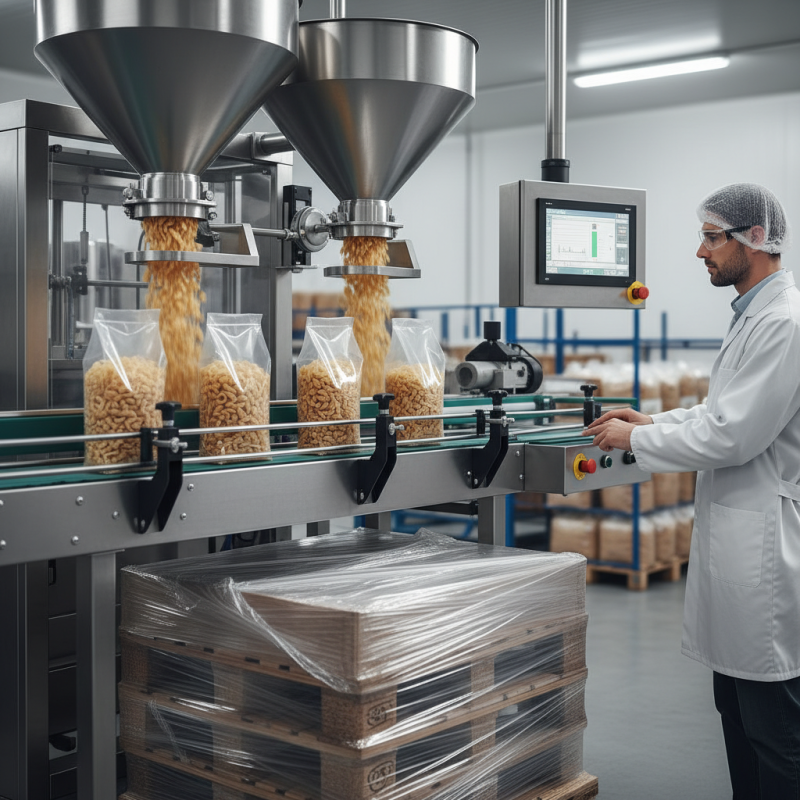
When selecting a food bagging machine, understanding the types available is crucial. There are several distinct types, including vertical form fill seal machines, horizontal flow wrappers, and vacuum sealers. Each machine serves different packaging needs. For example, vertical form fill seal machines are ideal for snacks and cereals. They efficiently create bags from rolls of plastic film. Meanwhile, horizontal flow wrappers are better for wrapping products like baked goods or meats, providing a tight seal.
According to industry reports, the global food packaging equipment market is projected to grow at a compound annual growth rate of 4.5% through 2026. This growth is driven by the rising demand for convenience foods. However, choosing the wrong machine can lead to inefficiencies and increased costs. It is essential to assess the specific requirements of your product line. Factors like speed, bag size, and materials used should guide your decision. Vacuum sealers, while great for extending shelf life, may not be suitable for all products.
Not all machines are perfect for every application. Many businesses overlook compatibility with existing production lines. This oversight can result in operational bottlenecks. Additionally, budget constraints often limit options, making it tempting to compromise on quality. Understanding that each type of machine has its advantages and limitations will lead to better choices and increased efficiency in the long run.
How to Choose the Right Food Bagging Machine for Your Business?
| Machine Type |
Ideal For |
Speed (Bags/Min) |
Bag Type |
Price Range |
| Vertical Form Fill Seal (VFFS) |
Snacks, Granules |
30-100 |
Pouch, Flat Bags |
$20,000 - $50,000 |
| Horizontal Form Fill Seal (HFFS) |
Meat, Cheeses |
20-80 |
Vacuum Bags, Pouches |
$30,000 - $60,000 |
| Manual Bagging Machine |
Small Businesses, Startups |
5-20 |
Various Sizes |
$1,000 - $5,000 |
| Automated Bagging System |
High Volume Production |
100-200+ |
Pre-made Bags, Stand-up Pouches |
$50,000 - $150,000 |
| Semi-Automatic Bagging Machine |
Versatile Uses |
25-60 |
Pouch, Bag-in-box |
$10,000 - $30,000 |
Assessing Your Business Needs for Bagging Efficiency
Choosing the right food bagging machine requires a deep understanding of your business needs. Efficiency in bagging can significantly impact your production rates and labor costs. A recent industry report indicated that companies can reduce labor costs by up to 30% through effective automation. Assessing your specific requirements is crucial to achieving these efficiencies.
First, evaluate the types of food products you package. Bagging machines come in various styles, from vertical to horizontal. Each type is suitable for different food items. For instance, granulated items might require a different setup than liquids. This choice directly affects speed and efficiency. Additionally, consider your production volume. Machines designed for high throughput will offer greater efficiency for large-scale operations, while smaller machines can suit niche markets better.
Tips: Always test machines with your products first. This ensures compatibility and efficiency.
Moreover, reflect on your future needs. Will your business grow? Selecting a machine that can adapt to changes can save both time and money in the long run. Remember, even the best machines have limitations. Underestimating your operational needs can lead to inefficiency. Upgrading machines later may become costly. Balancing immediate needs with future growth is essential. Keep these factors in mind while selecting your food bagging machine.
Bagging Machine Efficiency Assessment
Key Features to Consider in Food Bagging Machines
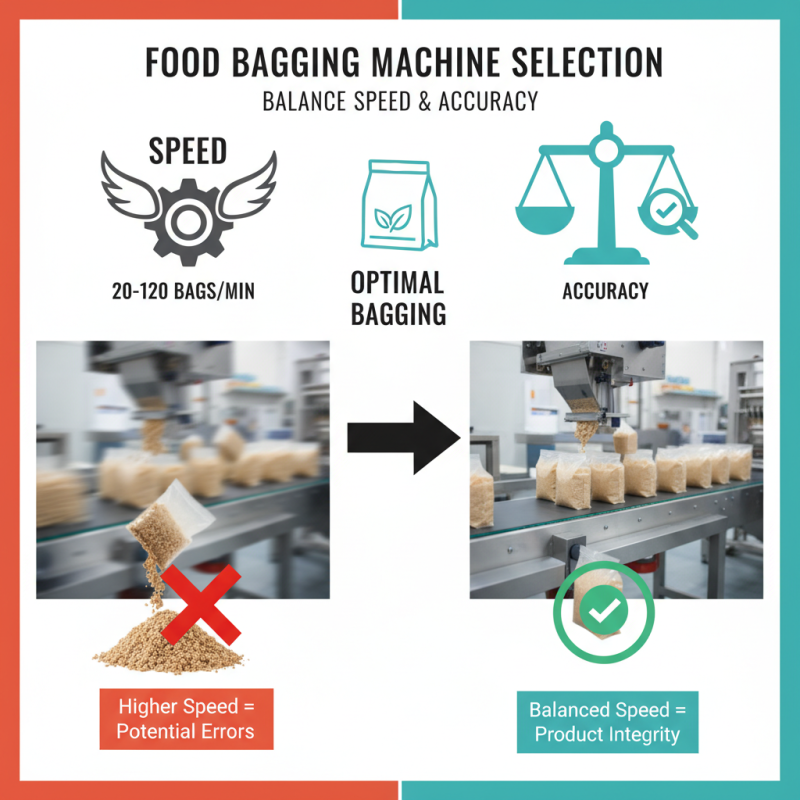
When selecting a food bagging machine, various key features come into play. One major consideration is the speed of the machine. Reports show that machines can achieve rates of 20 to 120 bags per minute. However, higher speeds may lead to errors. It’s essential to balance speed with accuracy to maintain product integrity.
Another critical feature is the machine's versatility. Many machines can handle different bag types and sizes. For example, some machines are designed for pillow bags, while others cater to gusseted bags. A machine that adapts easily to different products can save time and reduce operational costs. However, this adaptability may result in a steeper learning curve.
Additionally, user-friendly controls and maintenance features are vital. An intuitive interface can streamline training and operation. Maintenance requirements should be manageable, too. According to studies, machines with simple maintenance protocols often lead to less downtime. Yet, it’s crucial to evaluate the trade-offs between ease of use and advanced technology. In some cases, overcomplicating features can be counterproductive.
Evaluating Costs and Budget for Your Bagging Solution
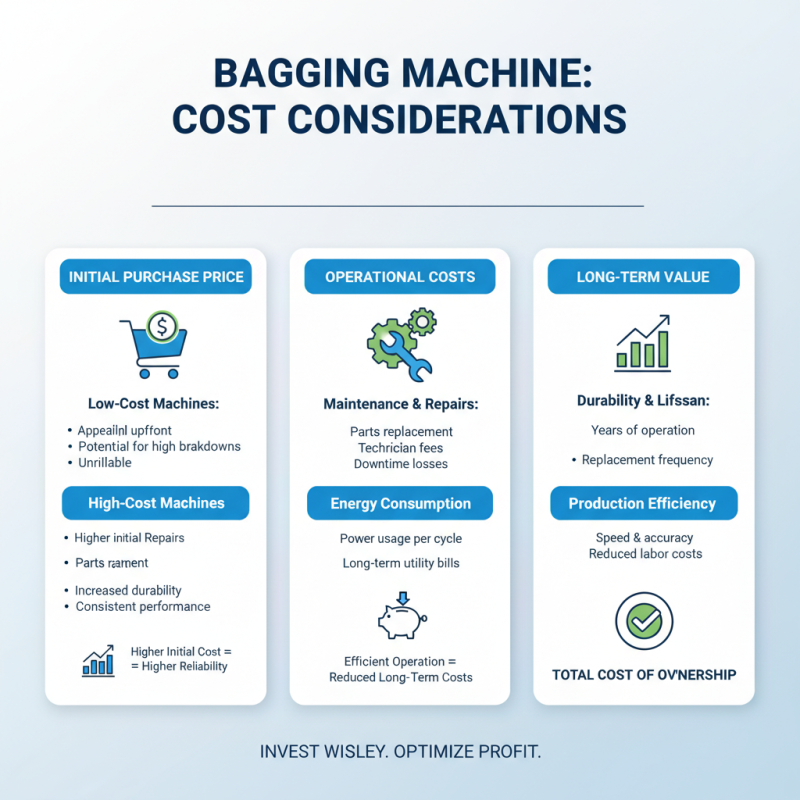
When considering a bagging machine for your business, costs can vary greatly. First, evaluate the initial purchase price. A low-cost machine might seem attractive but consider its long-term reliability. Cheaper models can lead to frequent breakdowns and repairs, potentially increasing overall costs.
Assess the operating costs next. This includes the energy consumption, maintenance needs, and labor requirements. A more efficient machine can save you money in the long run. Look for automation features that reduce manual handling. These can help minimize labor costs but may require a larger initial investment.
Lastly, budget for spare parts and potential upgrades. Some machines may need specific parts that can be expensive. It's crucial to think about future needs as your business grows. Investing more upfront can lead to better performance and lower costs down the line. Reflect on your specific needs and aim for a solution that fits your budget while meeting production goals.
Importance of Maintenance and Support in Bagging Equipment Selection
Maintaining and supporting your bagging equipment is crucial for efficiency. Regular maintenance can boost productivity significantly. According to industry reports, businesses that perform routine maintenance see up to a 25% reduction in downtime. This means your products keep moving, which enhances overall profitability.
Select a food bagging machine with accessible support services. A well-structured support system enhances training for operators. Moreover, having a responsive technical team can address issues promptly. Research shows that 30% of production delays stem from inadequate support. Equipment should also be easy to service. Complicated machinery can lead to costly mistakes.
Efforts to improve equipment reliability will pay off. A machine with a good track record often means fewer replacements and repairs. The investment in preventive measures might seem high initially. However, it can save businesses thousands in the long run. Balance between quality and support is essential. Businesses sometimes overlook support, focusing solely on cost. This can lead to disappointing outcomes.