How to Choose the Right Case Packer Machine for Your Needs?
Choosing the right case packer machine is essential for efficient packaging operations. The complexity of modern production demands careful consideration. Businesses often face challenges when selecting the right equipment. A suitable case packer machine increases productivity and reduces waste.
Understanding specific needs is crucial. Different industries require different packing solutions. For example, food and beverage companies may need machines that handle moisture levels effectively. Others may prioritize speed and accuracy.
It's important to evaluate several factors before making a decision. The size of the products, the packing speed, and the level of automation all play significant roles. Consulting with industry experts can provide valuable insights. A well-chosen case packer machine can significantly enhance operational efficiency. However, failing to choose wisely may lead to operational setbacks. Reflecting on your unique requirements can steer you toward the best option.
Understanding the Basics of Case Packer Machines
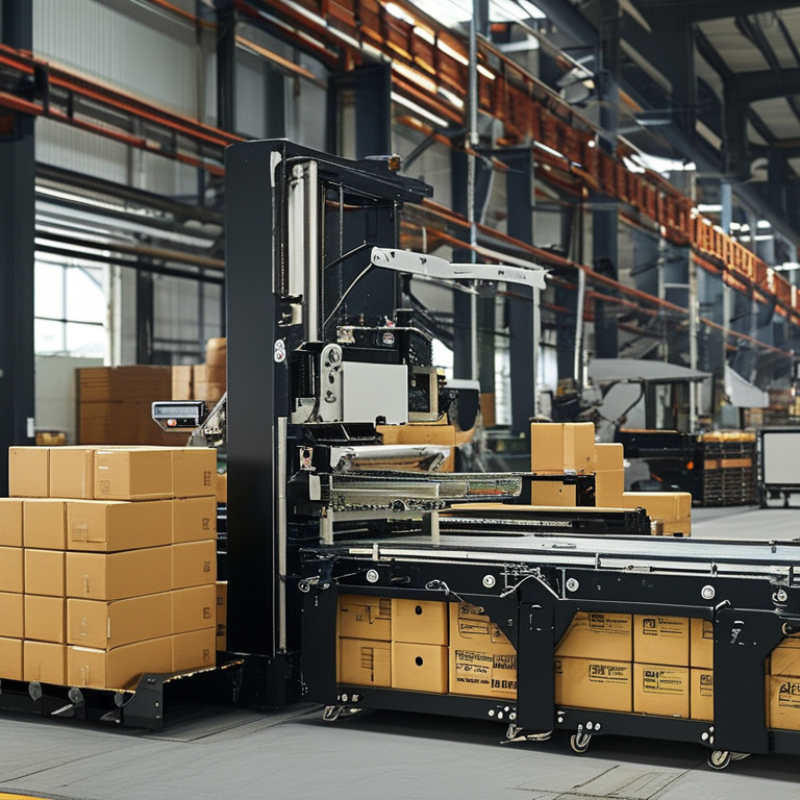
When selecting a case packer machine, understanding the basics is crucial. A case packer efficiently places products into boxes for shipment. These machines vary in design and capability. Some are designed for lower output, while others handle high-speed packing. Evaluating your production volume is essential. It helps determine the speed and size you need.
Consider the types of products being packaged. Are they fragile, large, or oddly shaped? Each type requires different handling mechanisms. Machines may use robotics or specialized grippers for delicate items. Your choice should reflect these factors for optimal efficiency. Reflect on your workflow. Does the machine integrate easily into your existing process? Ensuring compatibility can save time and reduce frustration.
Budget is also a significant aspect. High-quality machinery often comes at a premium. However, lower-cost options might lead to increased maintenance costs over time. Weigh the upfront investment against long-term reliability. After evaluating these factors, revisit your choices. Are you maximizing efficiency and minimizing downtime? This ongoing assessment can ensure your case packer meets evolving needs.
Identifying Your Packaging Needs and Requirements
Identifying your packaging needs is crucial when selecting a case packer machine. Start by assessing your product type and dimensions. Consider the material of your packaging as well. Different machines handle various materials differently, impacting production efficiency. For soft packaging, a machine that applies gentle handling is essential. Meanwhile, rigid containers may require stronger systems.
Understanding your production volume is vital. Estimate your daily or weekly output requirements. High-speed operations need machines designed for speed without compromising quality. If production demands are variable, investing in adjustable machines may be wise. These can handle fluctuations in volume, adding flexibility to your operations.
Evaluate the space available in your facility. Size constraints can affect your choice. Additionally, reflect on your team's expertise. A complex machine may require specialized knowledge, which could slow down operations. Consider training needs in your budget. The right equipment should align with your capabilities and future growth plans.
How to Choose the Right Case Packer Machine for Your Needs?
| Packaging Type |
Machine Type |
Speed (cases/hour) |
Dimensions (L x W x H) |
Weight |
Power Requirement |
| Retail Cases |
Horizontal Case Packer |
20-40 |
200 x 100 x 150 cm |
300 kg |
3 Phase, 380V |
| Corrugated Boxes |
Vertical Case Packer |
30-50 |
180 x 120 x 160 cm |
250 kg |
1 Phase, 220V |
| Shrink Wraps |
Robotic Case Packer |
15-30 |
220 x 150 x 140 cm |
280 kg |
3 Phase, 415V |
| Bottles |
Case Erector / Packer |
25-45 |
240 x 130 x 155 cm |
320 kg |
3 Phase, 380V |
Comparing Different Types of Case Packer Machines
When selecting a case packer machine, understanding the different types is crucial. There are several machine types to consider. Automated case packers are quick and efficient. They are suitable for high-volume production lines. Semi-automatic models require more human intervention but offer flexibility for smaller operations.
Different industries have varying packing needs. Some machines focus on specific case sizes and shapes. Others handle a wide range. For instance, wraparound case packers are ideal for items like cans and bottles, ensuring a snug fit. On the other hand, cartoning machines are designed for products that require a box assembly. The choice impacts both efficiency and packaging quality.
Tips for choosing include evaluating your production speed. You should also consider the size variations of your products. Think about how much floor space you have available for installation. Lastly, assess your budget while keeping future expansion in mind. Investing in the right case packer can enhance productivity without overwhelming your setup.
Analyzing Production Speed and Efficiency Considerations
When analyzing production speed, consider how your case packer machine meets operational demands. Efficiency is key to maintaining a competitive edge. Look for machines that can achieve high speeds while ensuring product integrity. If a machine operates too quickly, it may compromise packaging quality. Balancing speed with reliability is paramount.
It’s also important to evaluate the adaptability of the machine. Production lines often need flexibility. Some machines may excel in speed but fail in versatility. The ability to handle different package sizes or types can make a significant difference. Assess test runs to see how the machine performs with your product.
Production speed isn't merely a number; it requires thorough examination of workflow. Slowdowns can occur due to design flaws, which waste resources. Continuous monitoring for bottlenecks can uncover inefficiencies. While speed may attract attention, consistency and quality are what truly matter in the long run.
Evaluating Budget and Cost-effectiveness of Options
When evaluating budget and cost-effectiveness for case packer machines, it's crucial to analyze your production needs. Consider how frequently you will use the machine and its expected lifespan. A lower upfront cost might seem appealing, but think about long-term maintenance and operation costs. Sometimes, investing more initially can lead to savings later on.
Assess the options based on features that align with your production volume. Look for machines that offer flexibility and scalability. It's essential to ensure they can handle various products and packaging types. Don't forget to evaluate the energy consumption of each machine. This often overlooked aspect can add significantly to ongoing costs.
Lastly, gathering feedback from existing users is invaluable. Their insights can reveal hidden costs or unexpected issues. Learn from their experiences to make a well-informed decision. Avoid rushing into a purchase; take the time to weigh your options carefully. Even small details can impact your budget in the long run.