How to Choose the Right Case Packaging for Your Products: A Complete Guide
Choosing the right case packaging for your products is a critical decision that can significantly impact your business's success. With the ever-evolving market demands and consumer expectations, understanding the intricacies of case packaging has never been more essential. As expert in the packaging industry, Dr. Emily Carter states, "Effective case packaging not only protects your products but also enhances brand perception and customer satisfaction." This encapsulates the dual role that case packaging plays in both safeguarding items and conveying brand values.
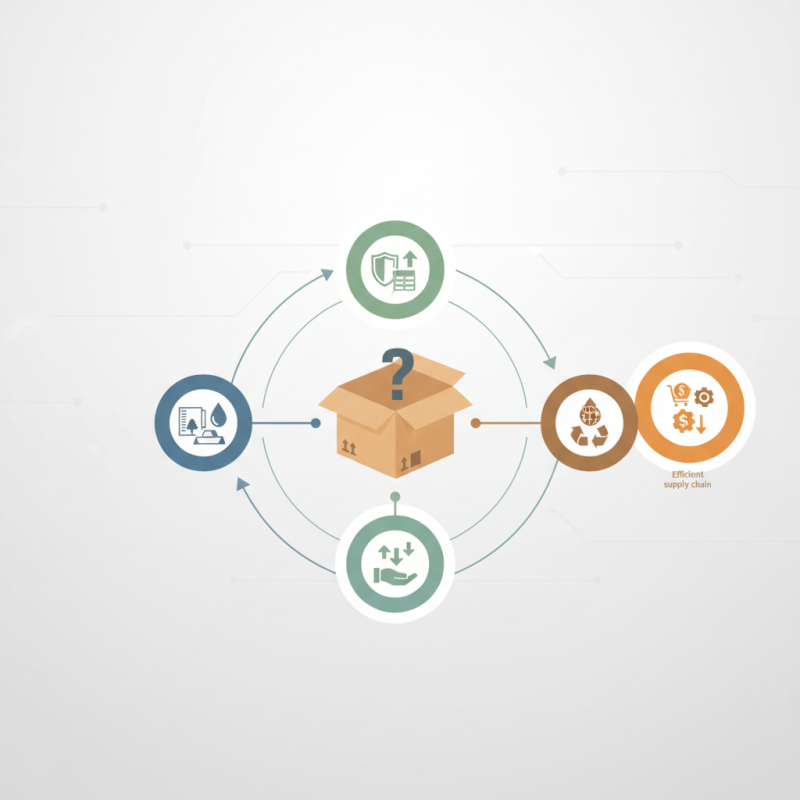
In this complete guide, we will explore the various aspects of case packaging, including materials, design, and sustainability considerations. By delving into these elements, businesses can make informed choices that meet both logistical needs and consumer preferences. The strategic selection of case packaging can streamline operations, reduce costs, and ultimately lead to a more efficient supply chain. Join us as we navigate the complexities of case packaging and uncover the vital insights necessary for your product's success.
Understanding the Importance of Case Packaging for Product Safety
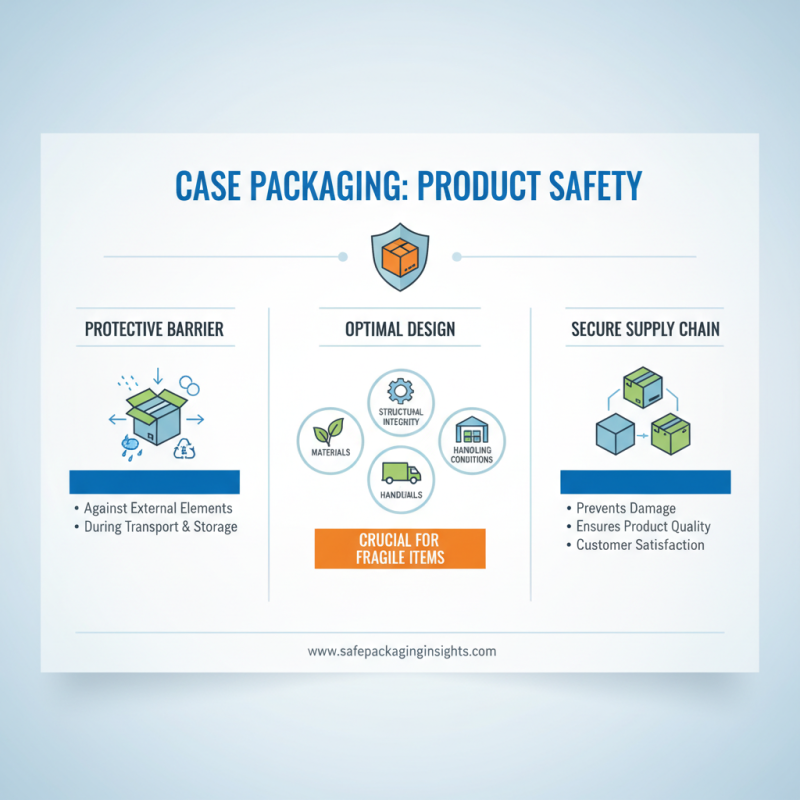
Case packaging plays a crucial role in ensuring product safety throughout the supply chain. By providing a protective barrier against external elements, it helps safeguard products from damage during transportation and storage. An effective case packaging design considers factors such as materials, structural integrity, and the handling conditions the product will encounter. This is particularly important for fragile items, which require robust packaging to prevent breakage and ensure they reach consumers in optimal condition.
Moreover, the right case packaging can significantly reduce the risk of contamination and spoilage, particularly for perishable goods. Utilizing appropriate sealing techniques and materials can help maintain hygiene and extend shelf life, which is essential in the food industry. Additionally, well-designed packaging can enhance visibility and facilitate easier handling for workers, ultimately contributing to safer transportation practices. Investing time and resources into selecting the right case packaging is essential for maintaining product integrity and ensuring that customers receive high-quality goods.
Identifying Product Requirements and Target Market Needs
When choosing case packaging for products, understanding product requirements and the needs of the target market is crucial. According to a report by Smithers Pira, nearly 60% of consumers consider the sustainability of packaging materials a key factor in their purchasing decisions. This insight highlights the importance of selecting materials that not only protect the product but also align with consumer values. For instance, if your product is environmentally friendly, opting for biodegradable or recyclable packaging can enhance its appeal to eco-conscious shoppers.
Moreover, the functionality of the packaging must meet specific product needs. In the pharmaceutical industry, for example, the Packaging Association cites that over 40% of product returns are due to packaging failures such as poor sealing or inadequate protection during transport. Therefore, investing in robust, quality packaging that can withstand handling and storage conditions is essential. By identifying and prioritizing the specific requirements of both the product and the target market, brands can create packaging solutions that enhance customer satisfaction and improve overall product performance in the marketplace.
Exploring Different Types of Case Packaging Materials
When selecting case packaging for your products, understanding the various types of materials available is crucial for ensuring product safety and maximizing efficiency. Corrugated cardboard is among the most popular options due to its lightweight yet sturdy nature. It provides excellent protection during transit and is adaptable to various shapes and sizes, making it suitable for a wide range of products. Additionally, corrugated cardboard is recyclable, aligning with growing consumer preferences for environmentally friendly packaging solutions.
Another widely used packaging material is plastic. It is often chosen for its durability and resistance to moisture, making it ideal for food products and other items requiring a longer shelf life. Different types of plastics, such as PET, HDPE, and PVC, can be used based on their specific properties and intended applications. While plastic offers many benefits, its environmental impact has led to increased scrutiny, prompting many companies to explore biodegradable or recycled plastic options as sustainable alternatives.
Wooden crates and pallets are also commonly used in packaging, particularly for heavier or bulk items. They provide robust support and can be customized to fit larger products securely. However, while wood is strong, it does require consideration regarding its sourcing and impact on sustainability. As companies strive to balance functionality with environmental responsibility, choosing the right case packaging material involves evaluating durability, cost, and ecological factors to best meet both business needs and consumer expectations.
Evaluating Cost-Effectiveness and Environmental Impact
When considering case packaging for products, it's essential to evaluate both cost-effectiveness and environmental impact. A recent study by Smithers Pira highlighted that sustainable packaging options are not only beneficial for the environment but can also lead to significant cost savings. The shift towards eco-friendly materials can reduce packaging costs by up to 20% over time, especially as companies move away from traditional plastic towards biodegradable alternatives. This trend is increasingly driven by consumer demand for sustainable practices, with 72% of consumers preferring brands that use eco-friendly packaging.
Moreover, the environmental impact of packaging decisions cannot be overlooked. The World Economic Forum reports that packaging accounts for nearly 50% of global plastic waste, emphasizing the need for innovative solutions. Choosing materials like recycled paper and compostable plastics can enhance a brand's sustainability profile while minimizing landfill contributions. By assessing the life cycle of packaging choices, businesses can identify opportunities to reduce waste and carbon emissions, ultimately leading to more responsible production practices. Investing in sustainable packaging not only appeals to the growing environmentally-conscious consumer base but can also bolster a company's reputation in an increasingly eco-aware market.
Cost-Effectiveness and Environmental Impact of Different Case Packaging Materials
Design Considerations: Branding and Visual Appeal in Packaging
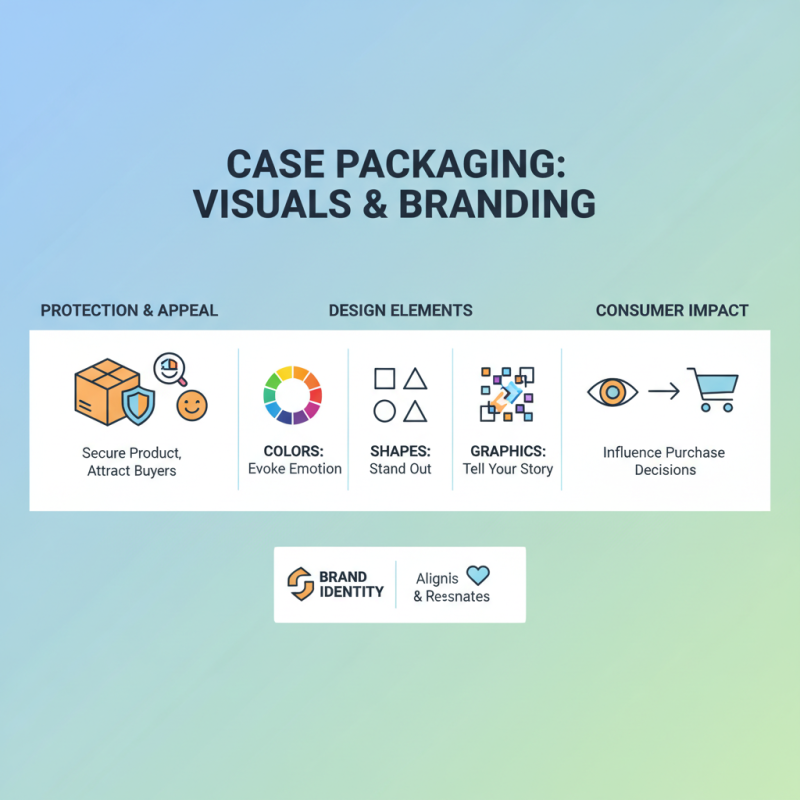
When it comes to case packaging, the visual appeal and branding play crucial roles in setting your product apart from the competition. A well-designed package not only protects the product but also enhances its marketability and attractiveness to consumers. Choosing colors, shapes, and graphics that resonate with your target audience can greatly influence their purchasing decisions. Consider employing a color palette that aligns with your brand identity while also evoking emotions that relate to your product’s use or purpose.
Incorporating your brand elements into the packaging design is essential for creating a cohesive brand experience. This includes using your logo, typography, and other design elements consistently across all packaging formats. Effective packaging should tell a story and convey the essence of your brand, making it instantly recognizable on shelves. Furthermore, attention to detail—such as texture, finish, and overall presentation—can elevate the perceived value of the product. A visually appealing package not only attracts buyers but can also foster brand loyalty and encourage repeat purchases.