How to Choose the Best Canteen Bottle Supplier?
Choosing a Canteen Bottle supplier affects more than the logo on a bottle. It shapes product safety, delivery reliability, and the experience people have every day. Grand View Research estimated the global reusable water bottle market at USD 8.32 billion in 2023, with projected growth from 2024 to 2030. That market estimate offers useful context, but it cannot tell buyers whether a particular supplier is dependable.
Look beyond attractive product photos. Ask what the bottle is made from, whether food-contact documentation is available for the intended market, and how the supplier checks leaks, finish quality, and capacity. Request recent test records where relevant, plus a physical sample. Try it with cold water. Check the cap after turning it upside down in a bag. Small tests can reveal issues that a polished catalog may not show.
Production details matter, too. Confirm minimum order quantities, sample charges, customization limits, packaging, lead times, and how defects are handled. Ask for written specifications and clear answers about material traceability. A low unit price can become expensive if colors vary, shipments arrive late, or replacements are difficult to arrange. Still, no checklist removes every risk. A sample may pass while a later production run falls short, so buyers should agree on inspection criteria before placing an order. The right Canteen Bottle supplier is not simply the cheapest or most polished. It is the one that can support its claims with evidence, communicate openly, and deliver consistent quality at the scale your project needs.
Define Your Canteen Bottle Requirements
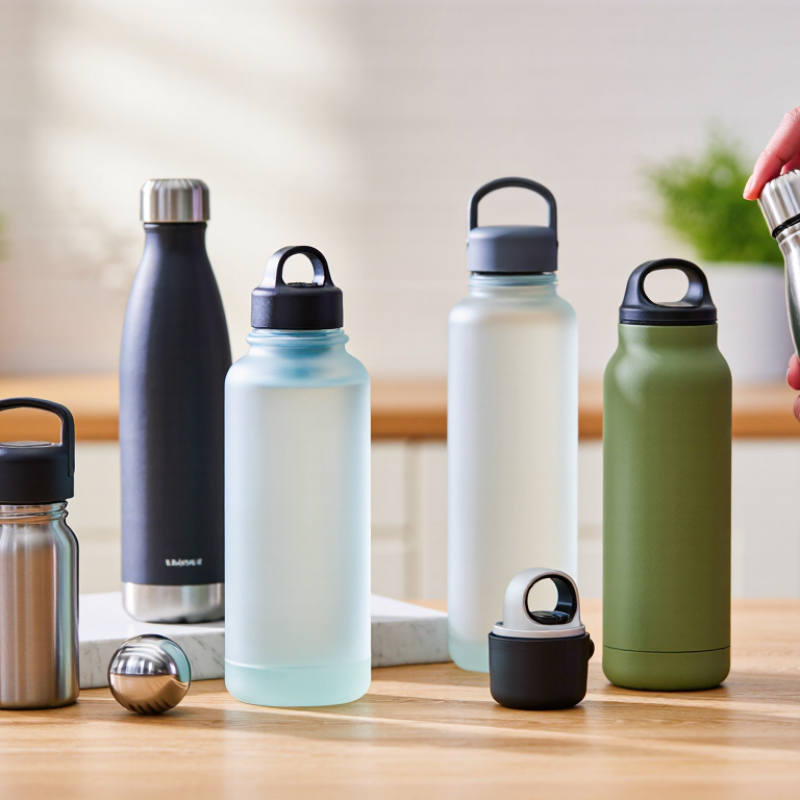
Before requesting quotations, describe where and how the bottle will be used. A canteen serving students may need a lightweight 500-millilitre bottle that fits a backpack pocket. A workplace may value a wider opening for ice and quick cleaning. Check hand grip, lid design, refill frequency, and whether bottles will be washed by hand or in a dishwasher. Small details matter.
Set measurable specifications: capacity, material, weight, wall thickness, lid type, colour range, and acceptable production tolerances. Ask suppliers how they test leakage and confirm dimensions across samples and bulk orders. Request material documentation and clear care instructions. OECD’s Global Plastics Outlook (2022) estimates that 353 million tonnes of plastic waste were generated worldwide in 2019, with only 9% recycled. That figure covers all plastics, not bottles specifically, but it supports asking about durability and end-of-life options.
For context, the U.S. EPA’s 2018 Facts and Figures report recorded 14.5 million tons of plastic containers and packaging in the U.S.; 1.9 million tons were recycled. These figures are dated and location-specific, so do not treat them as a bottle-only forecast. We still get this wrong. A polished sample can hide a stiff lid or awkward grip; test several filled bottles with actual users before approving production.
Assess Bottle Materials, Design, and Safety Standards
A canteen bottle should suit the way people will actually use it. Stainless steel handles frequent use well, while food-grade plastic is lighter and less likely to dent. Glass keeps flavors neutral, but its weight and breakage risk may not suit every setting. Ask the supplier for material specifications, not just broad labels. “Food-grade” alone tells you little about testing or intended use.
Design affects daily habits. Check that the bottle stands steadily on a desk, fits common bag pockets, and opens without awkward force. A wide mouth can make filling and cleaning easier. Look closely at the lid, gasket, and threaded joints; these small parts often reveal more about workmanship than a polished product photo. Small details matter. Still, appearance can be persuasive, and I would not treat a neat finish as proof of durability.
Safety documentation deserves careful review. Request test reports for the bottle’s food-contact materials and ask whether they match the exact model, color, and lid being quoted. Confirm that the intended temperature range is clear, especially for hot drinks or dishwashing. A “BPA-free” statement is useful, but it does not cover every material or safety question. Compare the supplier’s answers with the requirements of your market, and clarify how production changes are monitored. If a report is vague or outdated, pause and ask for a better one.
Verify Supplier Capacity, Quality Control, and Compliance
A canteen bottle supplier should prove it can deliver consistent volume, not just produce an attractive sample. Ask for monthly capacity, current production schedules, and typical lead times. Compare these figures with your order size and seasonal demand. A factory’s stated maximum may assume ideal conditions. Ask what happens when a molding line stops or a key material arrives late. Request a pilot run, then inspect bottles from different cartons. Small differences in cap fit or wall thickness can become costly at scale.
Quality control should be visible in records and routine checks. Ask how incoming materials are inspected, how leak tests are performed, and whether production lots can be traced. Request recent test reports for the exact bottle materials and intended food-contact use. Check that the report identifies the model, test scope, and date; a certificate for a different product proves little. Ask to see records. Keep a retained sample from each approved batch, where practical. It takes space, but it can help investigate later complaints.
Compliance needs to match the markets where the bottles will be sold. Ask which declarations and test documents apply, and have a qualified reviewer verify them. Do not rely on a supplier’s verbal assurance alone. A short video call from the production floor can reveal labeling, storage, and inspection practices, though it cannot replace a proper audit. One uncomfortable question is worth asking: who owns corrective action when a batch fails inspection?
How to Choose the Best Canteen Bottle Supplier
Verify supplier capacity, quality control, and compliance before placing an order.
How to read this chart: Sample ratings illustrate how a buyer might compare suppliers on a 1–5 scale; they are not industry benchmarks. Check production capacity and lead times, review inspection and testing records, and verify that material and product documentation meets the regulations applicable in your market.
Compare Pricing, Lead Times, and Customization Options
Choosing the best canteen bottle supplier starts with a clear comparison, not the lowest quote. Request pricing for the same bottle material, capacity, lid style, and order quantity. A quote for a 600-milliliter stainless-steel bottle is not comparable to one for a smaller plastic model. Check whether setup, packaging, and shipping costs are included. Ask for tiered pricing, too. A lower unit price may require a much larger order than you can store.
Tips: Compare written lead times from order approval to dispatch. Ask whether the estimate includes a pre-production sample and production checks. Leave room for delays; a tight delivery date can make small changes costly.
Customization can affect both price and timing. Confirm available colors, printing methods, logo placement, and minimum order quantities. Request a physical sample or a clear proof showing size and color before approving production. Ask how the supplier handles defects and replacements, and keep the agreed specifications in writing. Small details matter. One spreadsheet may help, but it will not reveal every issue: sample quality and communication also deserve attention. A supplier’s estimate can change if artwork, materials, or quantities change, so confirm those details before placing the order.
Review Service Terms, Samples, and Long-Term Reliability
A canteen bottle supplier should put service terms in writing, not leave them in sales emails. Check the minimum order, production lead time, payment schedule, defect allowance, replacement process, and who pays freight for rejected goods. Ask how quickly the supplier answers quality complaints and whether changes to materials or factories require your approval. Keep it measurable. A low unit price means little if a delayed shipment disrupts your launch.
Request production-representative samples, not specially polished display pieces. Test the cap for leaks after repeated opening, inspect seams and threads, and check whether the bottle feels comfortable when filled. If you need custom colors or printing, approve a signed sample and keep one as a reference. A good-looking sample can still hide inconsistent finishing. I would also ask for test records covering capacity, material composition, and food-contact suitability for the intended market.
Long-term reliability needs evidence: on-time delivery history, documented quality checks, backup capacity, and clear notice of supply changes. The OECD’s Global Plastics Outlook (2022) estimated that plastic packaging made up 40% of global plastic waste in 2019. The U.S. EPA’s 2018 materials report counted 82.2 million tons of containers and packaging in municipal solid waste. These figures make material choices and end-of-life information worth discussing, not just price. Ask suppliers to explain their material claims and provide supporting documents; vague promises are hard to verify.