How to Choose the Right Food Packaging Machine for Your Business?
In the food industry, choosing the right food packaging machine is crucial. According to Dr. Emily Hart, an expert in food technology, “The right packaging can extend shelf life and preserve quality.” Her insights highlight the importance of making an informed decision.
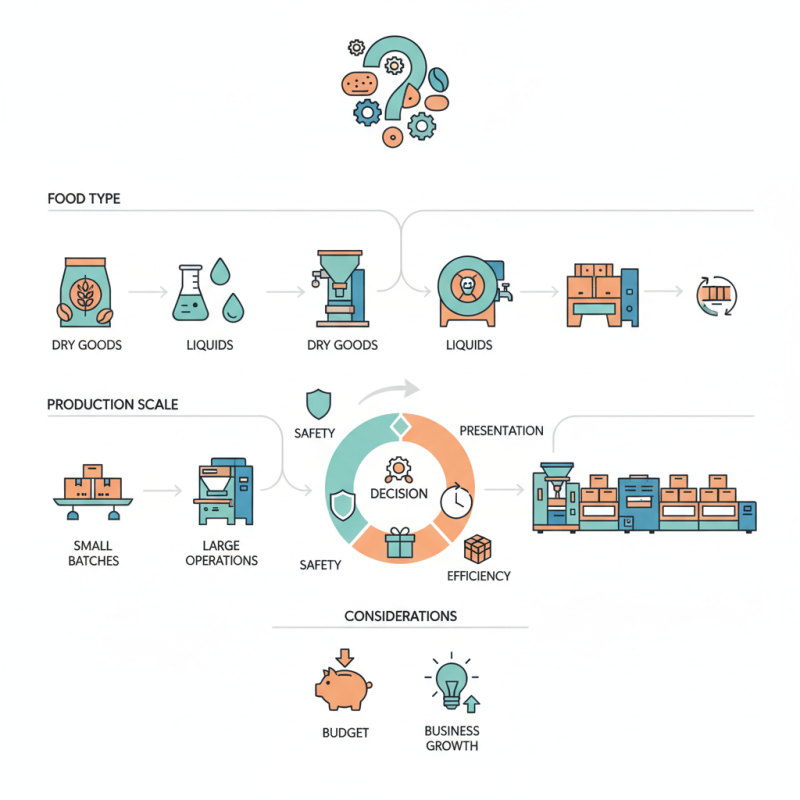
Selecting a food packaging machine can be daunting. There are countless options available, each with its own features and benefits. It's not just about efficiency; it's also about the end product's safety and presentation. Consider the type of food you process. Different categories, like dry goods or liquids, require specific machines.
Reflect on your production scale. A machine suited for small batches may not meet demands for larger operations. Mistakes can be costly. You could end up with a machine that doesn’t fit your needs or budget. Understanding your business and learning from past choices is essential in this process. The right food packaging machine can propel your business forward.
Understanding Different Types of Food Packaging Machines Available
When selecting the right food packaging machine, understanding the types available is crucial. There are several categories of machines, each tailored for specific packaging needs. For instance, vertical form-fill-seal machines are ideal for granulated products. These machines can increase efficiency and reduce labor costs, which is vital in a competitive market.
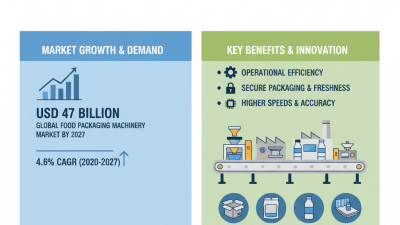
According to industry statistics, the global food packaging equipment market is expected to reach $60 billion by 2025. This growth reflects the demand for efficiency and versatility. Shrink-wrapping and vacuum packaging are also key players. Shrink-wrapping helps preserve freshness, while vacuum sealing extends shelf life. Many companies may overlook their specific needs in favor of popular machines, which can be a mistake.
It's important to assess your products before making a choice. Not all machines fit every product. For instance, fragile items require gentle handling. Furthermore, weighing speed against accuracy can lead to operational challenges. Investing in the wrong equipment may increase costs in the long run, affecting profitability. Just recognizing the variety is not enough; you also need to weigh the trade-offs involved in your specific production environment.
Assessing Your Business Needs for Packaging Solutions
Choosing the right food packaging machine requires careful assessment of your business needs. Understanding specific demands is essential. According to recent industry studies, packaging machinery can increase production efficiency by up to 30%. That's a significant boost for any business looking to streamline operations.
Consider your product type and packaging format. If you deal with liquids, a flow-wrapper might suit your needs. For solid products, a vacuum sealer could be a better choice. Data from the Packaging Machinery Manufacturers Institute shows that 40% of food waste occurs during inadequate packaging. This highlights the importance of selecting a machine that meets your requirements.
Also, reflect on your production volume. A small bakery will not need the same capacity as a large distribution center. Research suggests that improperly sized machinery can lead to inefficiencies. It’s vital to balance budget constraints with long-term goals. Many businesses overlook this aspect, leading to costly adjustments later.
Key Features to Consider in Food Packaging Machines
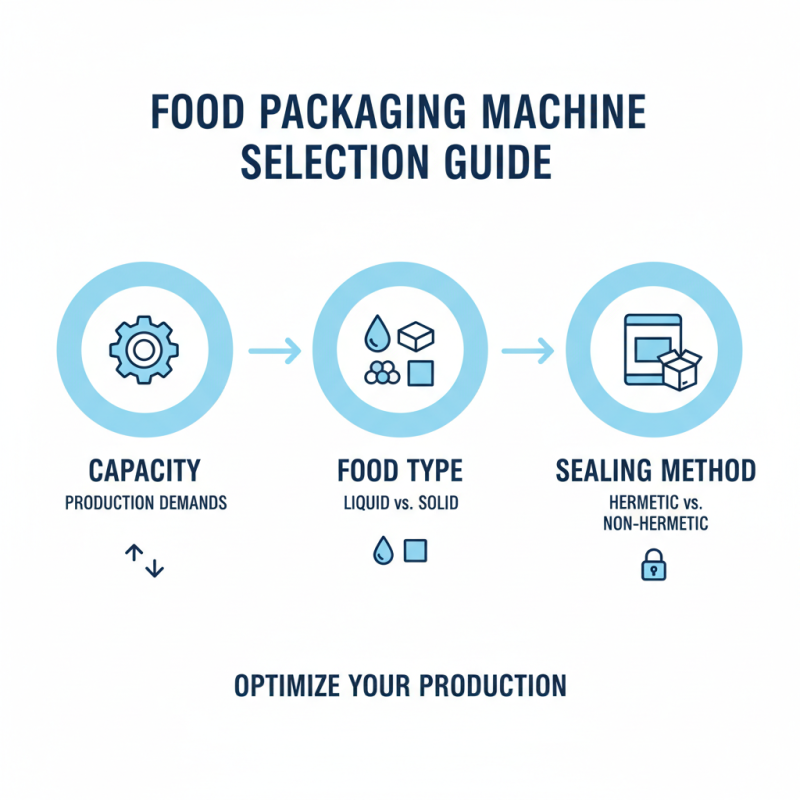
When selecting a food packaging machine, key features are crucial. Consider the machine's capacity. It should meet your production demands. Too small, and you may face bottlenecks. Too large, and you could waste resources. Think about the type of food being packaged. Different foods require different approaches. Liquid products need different sealing methods than solid ones.
Next, look at versatility. A machine that can handle various packaging types adds value. This can include bags, pouches, or containers. However, more features can complicate operation. Users often admit they struggle with multifunctional machines. Maintenance is another important aspect. Regular upkeep prolongs machine life. If it's too complex, maintenance may become a burden.
Finally, consider the machine's energy efficiency. A more efficient model cuts costs. Yet, some businesses might hesitate to invest upfront. They may worry if the machine will deliver on its promises. This uncertainty calls for careful reflection on your specific needs and capabilities. Make a choice that aligns with your business goals and future growth.
Evaluating Costs and Budget Constraints for Machinery
When evaluating costs for food packaging machines, consider your budget carefully. The initial purchase may be significant. However, hidden costs can arise later. Maintenance, repairs, and energy consumption are key factors. Be aware of these expenses before making a decision. A low-priced machine might not be the best option in the long run.
Analyze the productivity requirements for your business. A higher output machine may appear costly but can save you money over time. Calculate the return on investment based on your production volume. This approach helps in understanding which machine justifies the expense. Don't forget to factor in training costs for your staff. A complex machine may require a learning curve, impacting your overall efficiency.
It’s essential to reflect on your specific needs. Custom features can add to the cost but may enhance your packaging process. Are those features necessary? Dive deeper into your production goals. Make sure the machine aligns with your long-term strategy. Prioritize flexibility and scalability as your business grows. Balancing these aspects can lead to wiser financial decisions.
Maintenance and Support: Ensuring Longevity of Your Equipment
Choosing the right food packaging machine is a crucial investment. It is not just about the initial purchase. Proper maintenance and ongoing support play a significant role in ensuring the longevity of your equipment. Without these, the machine could become a liability very quickly.
Regular maintenance checks are essential. They keep the machine in optimal working condition. This includes cleaning, lubrication, and alignment adjustments. Neglecting these tasks can lead to malfunctions. Unforeseen downtime is costly. It disrupts production and can lead to wasted resources. Keeping a maintenance schedule can help avoid these pitfalls.
Support services are equally important. Access to technical assistance can be a lifesaver. Sometimes, small issues can escalate without proper guidance. Having a reliable support team makes troubleshooting easier. It reduces stress and allows business owners to focus on growth. Investing in maintenance and support is as important as choosing the right machine.
How to Choose the Right Food Packaging Machine for Your Business? - Maintenance and Support: Ensuring Longevity of Your Equipment
| Machine Type |
Application |
Average Cost ($) |
Maintenance Frequency |
Support Availability |
| Vertical Form Fill Seal |
Snack Foods |
10,000 - 30,000 |
Monthly |
24/7 Online |
| Horizontal Flow Wrapper |
Bakery Products |
15,000 - 40,000 |
Bi-Weekly |
Phone Support |
| Cup Filler |
Dairy Products |
20,000 - 50,000 |
Weekly |
On-Site |
| Shrink Wrapper |
Frozen Foods |
25,000 - 60,000 |
Monthly |
Email Support |
| Net Weigher |
Grains and Seeds |
12,000 - 35,000 |
Quarterly |
Training Available |