How to Choose High Quality Screw Rod for Your Projects?
Choosing the right materials for projects is crucial. Among these materials, the "High-Quality Screw Rod" stands out. Recent industry reports indicate that 70% of project failures can be linked to subpar components. Selecting high-quality screw rods can significantly minimize risks.
High-quality screw rods ensure durability and reliability in mechanical applications. Data from the National Institute of Standards and Technology highlights that improper materials can cause delays and elevate costs. Investing in quality can prevent these issues. However, many engineers often overlook this vital aspect.
It's essential to evaluate different suppliers and their standards. Not all screw rods are created equal. Some may not meet rigorous industrial standards. This reliance on quality can limit oversight and lead to costly mistakes down the line. Emphasizing high-quality screw rods can enhance project outcomes. Taking the time to choose wisely can save future headaches.
Understanding Different Types of Screw Rods Available in the Market
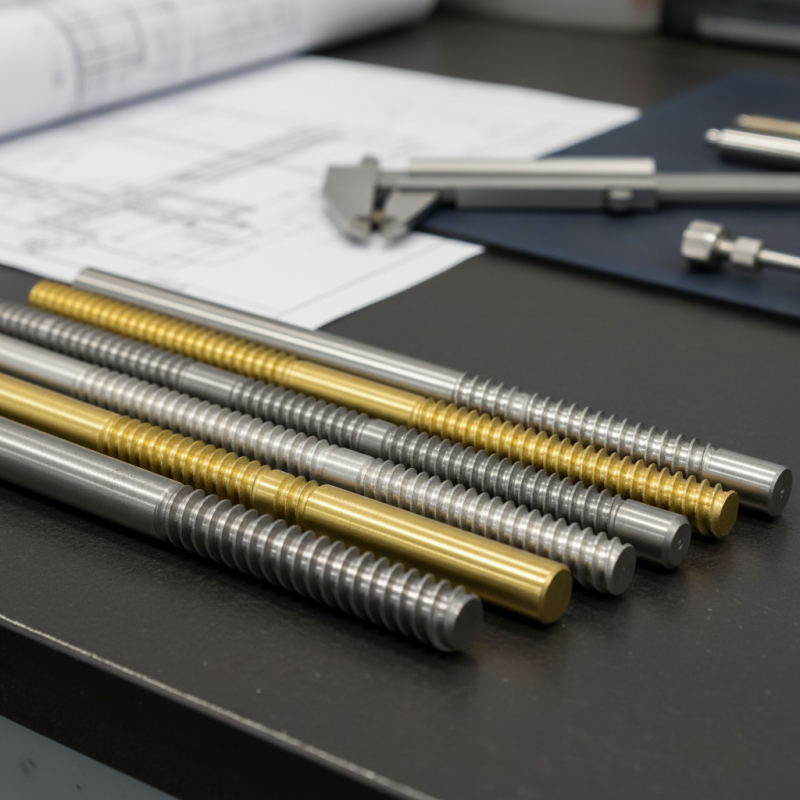
When selecting screw rods, it’s crucial to understand the various types available. Screw rods come in different materials, lengths, and threads. Common materials include stainless steel, carbon steel, and plastic. Each material offers unique benefits in terms of strength, corrosion resistance, and application suitability.
Stainless steel screw rods are known for their durability. They resist rust and are ideal for outdoor or moisture-prone environments. Carbon steel rods, while strong, require coating for protection against rust. Plastic screw rods are lightweight and suitable for applications where corrosion is a concern but may lack strength under heavy loads.
Thread size and pitch also vary. Coarse threads provide faster installation while fine threads offer better holding strength. Choosing the right type and size is vital for the structural integrity of your project.
Pay attention to load requirements and environmental factors for optimal performance. Mistakes in selection can lead to project delays and increased costs. Always consult with a professional if unsure about your choices.
Key Factors to Consider When Selecting Screw Rod Material
When selecting screw rod material, understanding the key factors is essential. The material type significantly affects strength, durability, and resistance to corrosion. For instance, steel is a common choice due to its high tensile strength, but its susceptibility to rust can be a drawback in humid conditions. According to a report by the International Journal of Advances in Materials Science, choosing stainless steel can enhance longevity, as it boasts a corrosion resistance rate of around 70% compared to standard steel.
Another critical factor is the screw rod's diameter and length. The dimensions influence load-bearing capacity. For heavy-duty applications, larger diameters provide more strength, which is crucial in construction projects. Research indicates that a mere increase of 1 mm in diameter can raise the load-bearing capacity by 30%. Additionally, the thread design can impact the friction and ease of installation. Many engineers now consider variable pitch threads for improved performance.
Finally, it’s vital to assess the manufacturing standards. Not all screw rods meet the same quality controls. Some may exhibit manufacturing defects that compromise their reliability. A survey conducted by the Materials Science Institute reported that roughly 15% of screw rods fail to meet industry specifications. Always verify certificates and test reports when selecting materials to avoid future complications.
Evaluating the Strength and Durability of Screw Rods for Your Needs
When selecting screw rods for your projects, evaluating their strength and durability is essential. A screw rod's material composition greatly impacts these properties. Common materials like carbon steel and stainless steel offer different benefits. Carbon steel is strong but may rust, while stainless steel resists corrosion but can be less durable under extreme stress.
Tips: Consider the environment where the screw rod will be used. For damp conditions, opt for materials that resist corrosion. For heavy loads, prioritize rods that have undergone rigorous tensile testing.
The manufacturing process also plays a role. Rods that are cold drawn typically exhibit higher strength compared to those that are hot-rolled. Look for specifications detailing tensile strength and yield strength when making your choice. Some manufacturers may provide inconsistent quality, so reliable sourcing is crucial.
Tips: Always check for certifications or quality standards. If possible, consult with industry experts for recommendations tailored to your specific needs. Understanding these factors will ultimately lead to a more successful project outcome.
Importance of Precision and Tolerance in Screw Rod Manufacturing
Precision and tolerance are critical factors in screw rod manufacturing. Industries depend on precise measurements to ensure that components fit correctly. A report by the International Association of Machinists indicates that a mere 0.1 mm deviation can lead to significant mechanical failures. Sourcing high-quality screw rods means understanding these specifications.
Quality screw rods are produced under strict guidelines. Tolerance levels must be maintained within tight ranges, often around ±0.05 mm for high-performance applications. According to a survey by the American Society of Mechanical Engineers, over 45% of machinery breakdowns are due to improper fitting of parts. This highlights the need for precise screw rods in engineering projects.
Moreover, even minor imperfections can impact functionality. A screw rod with an uneven thread can lead to binding or misalignment in machinery. This is not an area to overlook. Regular audits of manufacturing processes are essential for maintaining standards. Understanding the implications of precision helps prioritize quality in your projects.
Best Practices for Sourcing High-Quality Screw Rods from Suppliers
When sourcing high-quality screw rods, start by assessing the supplier's expertise. Look for manufacturers with a strong track record in the industry. Online reviews and testimonials can provide insights. Furthermore, consider the materials used in production. Quality steel or durable alloys can significantly impact the performance of the screw rods.
Certifications are crucial. A supplier with ISO or other recognized certifications shows a commitment to quality. However, not all certified products guarantee excellence. Request sample products to evaluate their performance firsthand. Pay attention to threading accuracy and surface finish. These details can influence assembly and functionality.
Communication is vital in the sourcing process. A reliable supplier will address your concerns and provide detailed specifications. Sometimes, suppliers might not meet your expectations; be prepared to clarify your needs. It’s helpful to create a checklist of required features. This can guide discussions and ensure better alignment. Remember that the sourcing process may take time. Don't rush; high-quality results are worth the wait.