How to Choose the Best Industrial Packaging Solutions?
Choosing the right industrial packaging solutions is crucial for businesses. The ideal packaging protects products during transportation and storage. It also enhances branding and reduces costs. Various factors must be considered when selecting packaging.
Material choice plays a vital role. Different products require different materials for protection. For example, fragile items might need cushioning materials, while heavy goods may require sturdier options. Customization can improve functionality and appeal.
Yet, companies often overlook specific needs and environmental impacts. Many focus solely on cost, forgetting durability and sustainability. Reflecting on these aspects helps refine choices. Striking a balance between cost, quality, and impact is essential. Selecting the best industrial packaging solutions requires careful thought and assessment.
Understanding Industrial Packaging: Types and Their Applications
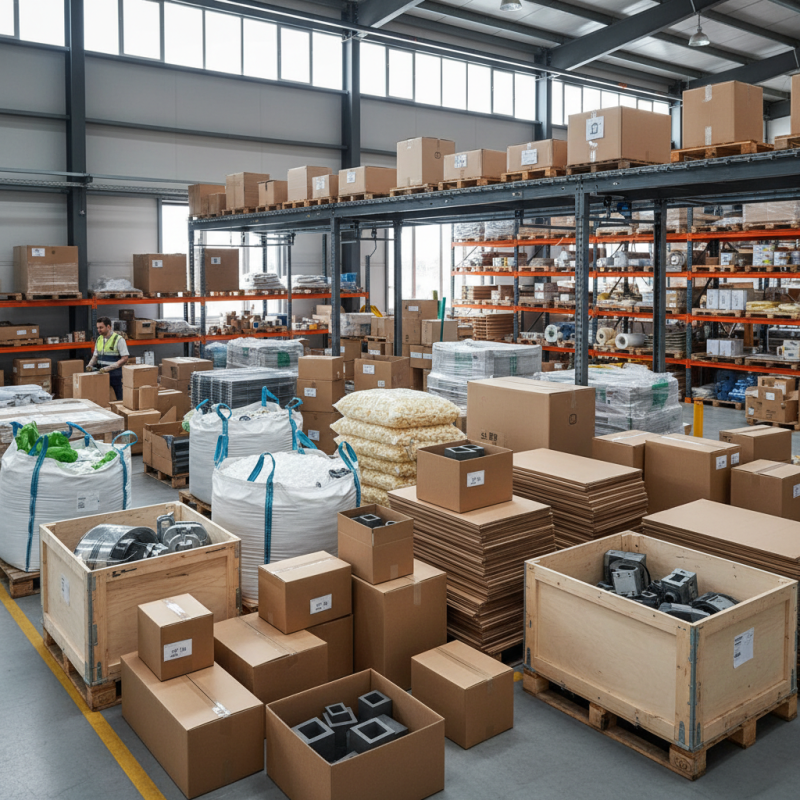
Industrial packaging plays a crucial role in various sectors, including manufacturing and logistics. Different types cater to specific needs. For instance, rigid packaging ensures maximum protection for fragile items, while flexible packaging offers versatility for various products. According to a report by Smithers Pira, the global industrial packaging market was valued at approximately $70 billion in 2022, highlighting its significance in supply chains.
Wooden crates are popular for heavy items. Their sturdiness makes them ideal for machinery or large components. In contrast, cardboard boxes are lightweight and recyclable, perfect for shipping consumer goods. However, reliance on cardboard can raise concerns regarding durability in extreme conditions. Moreover, plastic packaging continues to rise, driven by its moisture resistance and lightweight properties.
Companies must assess the specific characteristics of their products and the environments they will face. Packaging should not only protect items but also be cost-effective. Balancing eco-friendliness with strength can be tricky. While many suppliers offer materials that are biodegradable, they may not always ensure maximum protection. Hence, selecting the right type of packaging requires a thoughtful approach to meet diverse needs.
Industrial Packaging Solutions: Types and Applications
Evaluating Material Options: Strength, Durability, and Sustainability
When selecting industrial packaging solutions, evaluating materials is crucial. Strength and durability must be prioritized. Weak materials can lead to product damage during transport. A torn box or dented container can result in financial loss. Consider how much weight the packaging will bear. Test material strengths under various conditions. This ensures they can withstand real-world challenges.
Sustainability is an often overlooked factor. Many materials are recyclable or biodegradable. These options reduce environmental impact. However, some sustainable materials may lack strength. Conduct experiments to understand this trade-off. It's essential to balance environmental friendliness with performance. Look into life-cycle assessments to gauge true sustainability. This helps in making informed choices.
Reflecting on these aspects, the selection process can feel overwhelming. Each material has its advantages and disadvantages. There is no one-size-fits-all solution. Take time to consider specific needs. Custom solutions might be necessary. Collaboration with experienced suppliers can provide valuable insights.
Cost Analysis: Balancing Quality and Price in Packaging Solutions
When evaluating industrial packaging solutions, cost analysis becomes crucial. Striking a balance between quality and price can influence supply chain efficiency. According to industry reports, businesses spend an average of 7-10% of their total costs on packaging. This highlights the importance of choosing materials that not only protect products but also fit within budget constraints.
To optimize costs, consider different materials and production techniques. For instance, a report by Smithers Pira shows that sustainable packaging options can reduce expenses by 10-15% over time. However, not all materials offer the same durability or functionality. Misjudging material strength can lead to product damage, resulting in losses that overshadow any initial savings.
Tip: Always perform a cost-benefit analysis before committing to materials. Analyze various suppliers and their offerings.
It's essential to scrutinize long-term impacts versus short-term gains. Investing in high-quality packaging may raise upfront costs, but can yield significant savings through reduced damage rates and improved brand reputation.
Tip: Keep track of your packaging's performance metrics. This data can guide future decisions.
Ultimately, ensuring the right balance will improve your company’s bottom line while meeting operational needs.
How to Choose the Best Industrial Packaging Solutions? - Cost Analysis: Balancing Quality and Price in Packaging Solutions
| Material Type |
Quality Rating |
Cost per Unit ($) |
Durability (Years) |
Eco-Friendliness Rating |
| Cardboard |
7/10 |
0.50 |
3 |
High |
| Plastic |
8/10 |
0.75 |
5 |
Medium |
| Metal |
9/10 |
2.00 |
10 |
Low |
| Glass |
9/10 |
1.50 |
8 |
High |
| Biodegradable |
8/10 |
1.20 |
2 |
Very High |
Compliance and Regulations: Ensuring Safety Standards in Packaging
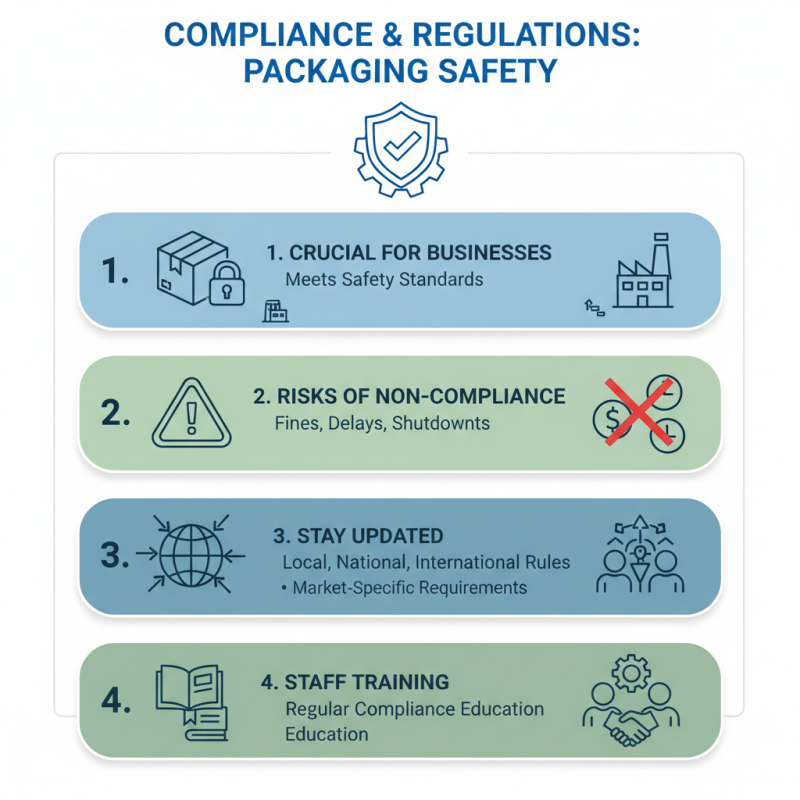
Ensuring compliance with packaging regulations is crucial for any industrial business. Packaging must meet safety standards set by regulatory bodies. Failure to comply can lead to fines, delays, or even shutdowns. Businesses should stay updated on local, national, and international regulations. Each market can have its specific requirements. Regular training for staff on compliance is essential.
Many companies overlook the importance of material safety data sheets (MSDS). These documents provide critical information about handling materials safely. Neglecting them may result in accidents or health issues. Furthermore, it’s important to review the packaging process regularly. Are the materials used appropriate for the product? Is the labeling clear and compliant? These questions should be revisited often.
Investing in compliance may seem costly upfront. However, non-compliance can result in severe consequences. It is easy to underestimate the impact of compliance on brand reputation. A small mistake may damage credibility and trust. Businesses should prioritize compliance to ensure long-term success. Regular audits can help identify gaps. This approach promotes accountability and continuous improvement in packaging practices.
Innovative Technologies: Trends Shaping the Future of Industrial Packaging
Innovative technologies are rapidly transforming the landscape of industrial packaging. A recent report from Smithers Pira notes that the global market for smart packaging is projected to reach $31.6 billion by 2024, underscoring the growing emphasis on enhanced efficiency and sustainability. Smart packaging technologies, such as RFID tags, allow companies to track their products throughout the supply chain. This visibility minimizes waste and maximizes transparency.
Biodegradable materials are also gaining traction in the industry. According to a study published in Packaging World, the demand for sustainable packaging solutions has surged, with 74% of consumers preferring products with eco-friendly packaging. This shift is prompting manufacturers to adapt and innovate. They are exploring alternatives such as plant-based plastics and recycled materials. Yet, the transition is fraught with challenges, including balancing cost with sustainability benefits.
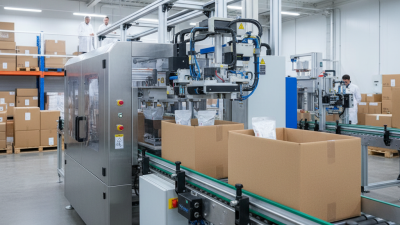
Automation is reshaping production lines, too. Companies are investing in robotics to improve efficiency and reduce labor costs. However, this reliance on automation raises concerns about job displacement. As companies navigate these trends, they must remain adaptable while considering the long-term implications of their choices. The future of industrial packaging will reflect these dynamic shifts and the ongoing quest for improvement.