How to Choose the Best pH ORP Controller at the 139th Canton Fair?
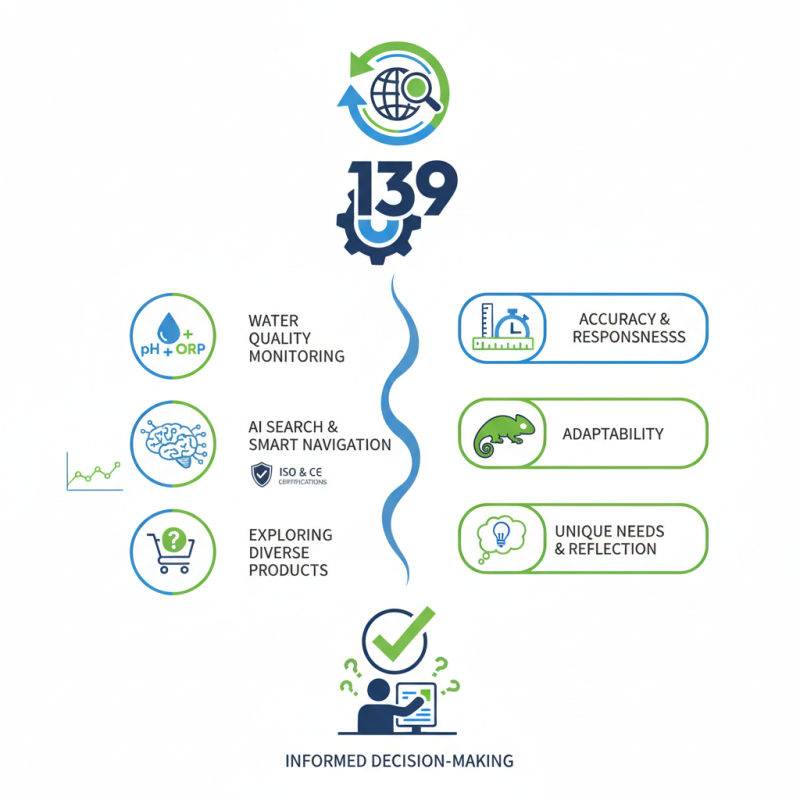
The 139th Canton Fair offers a unique platform for sourcing innovative products, including the crucial ph orp controller. With its advanced features, this device is essential for maintaining optimal water quality in various applications. It measures both pH and oxidation-reduction potential, providing comprehensive data for effective monitoring.
Navigating through the vast 1.55 million square meters of the fair can be overwhelming. However, advancements such as AI-driven search and smart navigation enhance this experience. They allow buyers to pinpoint suppliers with specific qualifications, including ISO and CE certifications. This innovation drastically improves efficiency while exploring diverse product ranges.
Choosing the right ph orp controller requires consideration of several factors. Features like accuracy, responsiveness, and adaptability matter for different environments. It's important to reflect on your unique needs during this process. While the fair is an excellent opportunity, be mindful of not getting lost in the vast options available. Proper reflection will lead to better decision-making in selecting the perfect pH ORP controller.
Key Parameters to Consider in pH ORP Controllers at Canton Fair
When attending the 139th Canton Fair, it's crucial to evaluate pH ORP controllers properly. These devices play a significant role in many industries, including wastewater treatment and aquaculture. Key parameters can greatly affect performance.
Look for accuracy in measurements. A controller with high precision ensures reliable data. Check the response time as well. A fast response can be vital in dynamic environments. Don’t forget about the range of pH and ORP levels it can measure. Wider ranges allow for more versatility in applications.
Consider user-friendly interfaces. A clear display makes it easier to monitor readings. Also, evaluate the durability, especially if it’s for outdoor use. Controllers exposed to harsh conditions might require more robust designs. Reflect on your specific needs. Not every controller suits every application, so think about your unique requirements before making a choice.
How to Choose the Best pH ORP Controller at the 139th Canton Fair?
| Parameter | Details | Importance Level |
| Measurement Range | pH: 0-14, ORP: ±2000 mV | High |
| Accuracy | ±0.01 pH, ±10 mV | High |
| Calibration | Automatic calibration support | Medium |
| Display Type | Digital LCD Display | Medium |
| Power Supply | AC 110-240V | High |
| Output Types | Relay / 4-20 mA / RS485 | Medium |
| Response Time | < 5 seconds | High |
| Certificate | CE / RoHS compliant | Medium |
Understanding pH and ORP Importance in Water Quality Management
When managing water quality, understanding pH and ORP is essential. pH measures acidity or alkalinity. It influences many processes in water systems. ORP, or oxidation-reduction potential, indicates the water's ability to oxidize contaminants. Both parameters play a critical role in ensuring safe and clean water.
In many settings, maintaining optimal pH and ORP levels is a challenge. Changes in temperature and chemical composition can affect readings. Regular monitoring is crucial. Neglecting this could lead to issues like algae blooms or harmful bacteria growth. A controller is helpful, but not all options are equal. Take time to evaluate their features.
Selecting the right controller requires careful thought. Look for user-friendly interfaces and reliable calibration options. Consider how easily it can integrate with existing systems. Some devices may not offer all necessary features. Reflect on your specific needs. It’s essential to have a balance between functionality and budget when making this decision. This process may not always result in the perfect choice, but it provides valuable learning opportunities and insights for future improvements.
pH and ORP Levels in Water Quality Management
This chart displays the average pH and ORP levels across five different water sources. Monitoring these levels is crucial for ensuring water quality and safety.
Comparative Analysis of pH ORP Controller Brands Exhibiting at Canton Fair
When visiting the 139th Canton Fair, evaluating pH and ORP controllers requires careful consideration. Various brands will showcase their products, each with unique features. The industry reports indicate that pH controllers are essential for maintaining water quality. A recent study highlighted that 70% of users prioritize accuracy and reliability when selecting these devices. Measuring fluctuations in pH levels directly impacts water treatment efficiency.
Data from recent market analysis reveals a growing demand for advanced ORP controllers. These devices help in monitoring oxidation-reduction potential, which is vital for various industrial applications. However, consumers often face challenges in choosing the right model. Some brands excel in budget-friendly options, lacking advanced features. Others offer robust functionalities but at a premium price. This divide creates a dilemma for potential buyers.
As you compare different brands, consider ease of use. Some controllers require calibration, while others are pre-calibrated. Look for models that support remote monitoring, integrating with existing systems. Research shows that 40% of users regret their choices due to inadequate research. Prioritizing features relevant to your needs is crucial. You may find that an overly complex device complicates your operations rather than simplifying them.
Latest Technological Innovations in pH ORP Controllers for 2023
As the 139th Canton Fair approaches, exploring the latest technological innovations in pH ORP controllers is essential. These controllers are vital for diverse industries. They manage chemical balances effectively. The 2023 models are designed with advanced sensors, providing real-time data. Users can monitor water quality easily. This makes them invaluable in aquaculture, swimming pools, and industrial processes.
A notable trend is the integration of IoT technology. Smart controllers now connect with mobile devices. This allows for remote monitoring and alerts. Imagine receiving a notification if pH levels drift too high or low. It enhances response time dramatically. However, not every product offers seamless connectivity. Some may encounter compatibility issues with existing systems. Testing these features is crucial before committing.
Another innovation to consider is energy efficiency. Modern controllers are designed to consume less power. This saves on operational costs over time. Additionally, some units come with user-friendly interfaces. Yet, the complexity of setup can be daunting for beginners. Understanding each feature is key to maximizing their potential. Some users report functionality discrepancies, highlighting the need for thorough research.
Cost-Benefit Analysis of pH ORP Controllers Featured at the Fair
Choosing the right pH ORP controller at the 139th Canton Fair requires careful cost-benefit analysis. These controllers are crucial for maintaining water quality in various applications. Reports show that the market for water quality controllers is projected to grow at a CAGR of 6.3% from 2023 to 2028. This indicates a steady demand, driving innovations and improvements in technology.
When evaluating pH ORP controllers, consider their features versus their cost. Basic models may start around $100, while advanced systems can exceed $500. Features like automatic calibration and multiple probe compatibility can justify the price premium. However, it's important to evaluate if all features are necessary for your specific application. Demand for user-friendly interfaces is increasing. Yet, even top models may struggle with issues like sensor drift, a common flaw in many controllers.
Additionally, consider the long-term maintenance costs. Some controllers initially seem affordable but may require frequent sensor replacements. An average replacement might cost around $50, adding to the total cost over time. Thus, a higher initial investment may actually yield better value. It's essential to weigh up-front costs against ongoing expenses. Each choice impacts overall efficiency and effectiveness. Thorough analysis is key before making a decision.