Top Biogas Purification Techniques for Global Buyers?
The global biogas market is witnessing rapid growth, projected to reach USD 50 billion by 2026. As a cornerstone in renewable energy, biogas is essential for sustainable development. However, effective Biogas Purification remains a challenge. This process involves removing impurities to enhance gas quality for various applications, including electricity generation.
Biogas purification technologies vary widely. Common methods include water scrubbing, pressure swing adsorption, and membrane separation. Each technique has distinct advantages and limitations. For instance, water scrubbing is effective but may not be suitable for all gas types. Reports indicate that optimizing these methods can significantly improve efficiency and reduce costs.
While the advancements in biogas purification are promising, challenges persist. Market players often struggle to balance cost and performance. As buyers seek reliable purification techniques, understanding these dynamics is crucial. Exploring these purification strategies ensures the production of high-quality biogas, contributing to the energy transition. Such insights foster a more profound recognition of the importance of biogas purification in a sustainable future.
Overview of Biogas Purification Techniques
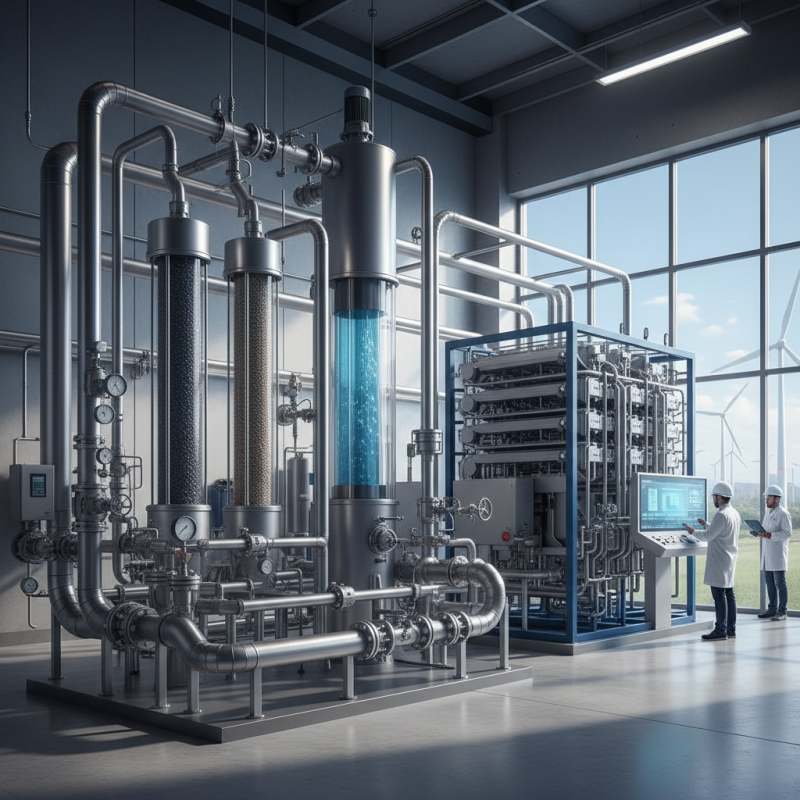
Biogas purification is critical for harnessing energy from organic waste. This process helps remove harmful gases, increasing the quality of biogas. According to a report by the International Renewable Energy Agency (IRENA), the global biogas market is projected to reach $1 billion by 2027. This growth depends on effective purification methods that enhance biogas utilization.
There are several common techniques for purifying biogas, such as water scrubbing and pressure swing adsorption (PSA). Water scrubbing uses water to absorb impurities, including carbon dioxide and hydrogen sulfide. It is effective but can consume significant water resources, raising sustainability concerns. The PSA method separates gases under high pressure and may result in higher purity levels. However, it also involves substantial energy consumption and the need for advanced materials.
While these technologies offer solutions, each has its drawbacks. Cost-effectiveness is a concern, especially for smaller operations. Additionally, the environmental impact of water use in scrubbing cannot be ignored. Ongoing research aims to refine these methods, ensuring they are efficient and sustainable. A focus on innovation in biogas purification is crucial to meet the growing demand for clean energy.
Importance of Biogas Purification in Renewable Energy
Biogas purification plays a crucial role in renewable energy systems. The process removes impurities to produce high-quality biogas. This ensures the gas can be used efficiently in various applications, including energy generation.
The importance of biogas purification cannot be overstated. Impurities in biogas, such as hydrogen sulfide and carbon dioxide, can severely hinder its utility. These contaminants can corrode equipment and reduce energy output. Proper purification enhances biogas quality, making it a viable alternative to fossil fuels.
Investing in purification technology is essential. Many buyers may overlook this, thinking it increases costs. However, the long-term benefits are significant. Effective purification leads to cleaner energy and greater operational efficiency. It's worth reflecting on the balance between initial investment and future gains in sustainability.
Common Technologies Used for Biogas Purification
Biogas purification is essential for creating methane-rich fuel. Various techniques are employed globally to meet energy needs. Each technology varies in efficiency, cost, and applicability.
One common method is pressure swing adsorption (PSA). This technique effectively separates methane from carbon dioxide. A report by the International Renewable Energy Agency indicates that PSA can achieve over 95% purification. However, it may require substantial upfront investment, which can be a barrier for smaller operations.
Another effective method is water scrubbing. This process uses water to absorb CO2 and other gases while allowing methane to pass. It is cost-efficient and environmentally friendly. However, it can be limited by water availability and may require additional treatment for pollutants.
Membrane technology is gaining attention due to its modular nature. It separates gases based on size. A study from the Journal of Cleaner Production noted that membrane systems can be compact and adaptable. Yet, membranes can face fouling issues, impacting long-term efficiency.
Choosing the right purification technique is crucial. Each option has its pros and cons, reflecting specific operational needs and local conditions. Understanding these nuances is vital for buyers in the biogas sector.
Comparative Analysis of Biogas Purification Methods
Biogas purification is essential for maximizing energy output and minimizing environmental impact. Several techniques exist, each with distinct advantages and challenges. Common methods include water scrubbing, pressure swing adsorption, and membrane separation. Each method varies in efficiency, cost, and scalability.
Water scrubbing is a widely used technique for biogas purification. It employs water to absorb impurities like carbon dioxide and hydrogen sulfide. While effective, its water usage can be a drawback in arid regions.
Pressure swing adsorption offers high purity levels but requires significant energy input. This could raise operating costs and impact feasibility for small-scale projects.
Membrane separation represents a newer approach. It utilizes selective membranes to differentiate gases. This method can work in various conditions and scales, though initial investment costs might deter some users.
Choosing the right purification method often requires weighing these factors. Each method has trade-offs that challenge decision-making. Buyers must carefully assess their specific needs and local conditions. The right technique can lead to improved efficiency and reduced environmental effects.
Future Trends in Biogas Purification Technologies
The biogas purification market is evolving rapidly, driven by the need for cleaner energy. Recent studies project a growth rate of 10.5% in biogas purification technologies over the next five years. This increase is influenced by the rising demand for renewable energy sources and government incentives. These technologies focus on removing impurities, making biogas suitable for grid injection or vehicular use.
Emerging trends emphasize membrane separation and pressure swing adsorption (PSA) techniques. Membrane technologies are more energy-efficient and have a smaller footprint. Additionally, PSA is gaining traction due to its cost-effectiveness and high purity levels. A report from the International Renewable Energy Agency noted that these methods are becoming standard in many facilities worldwide. However, scalability and initial investment costs remain challenges.
Tips: Consider the end use of purified biogas when selecting a technology. For small-scale applications, simpler systems may suffice. Keep an eye on regulatory changes that could impact technology adoption. Evaluate your local market's readiness for advanced solutions, as not all regions have the infrastructure in place.