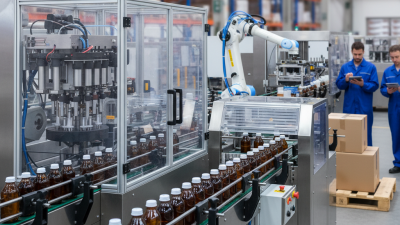
The Duravant family of operating companies serve the food processing, packaging and material handling segments.

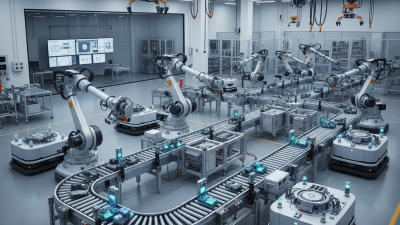
In today's competitive landscape, machinery automation plays a pivotal role in enhancing productivity. Investing in the right automation solutions can revolutionize your operations. However, not all systems deliver the expected results.
Many industries are seeing remarkable improvements due to machinery automation. These solutions streamline processes, reduce labor costs, and minimize errors. Yet, challenges often arise during implementation. For instance, integration with existing systems can be complex. Companies must consider their specific needs carefully.
Exploring the ten best machinery automation solutions reveals options that can maximize efficiency. Each solution offers unique benefits and potential setbacks. Understanding these nuances is crucial for making informed decisions. As technology evolves, staying updated is vital. Consider both the advantages and the pitfalls of automation.
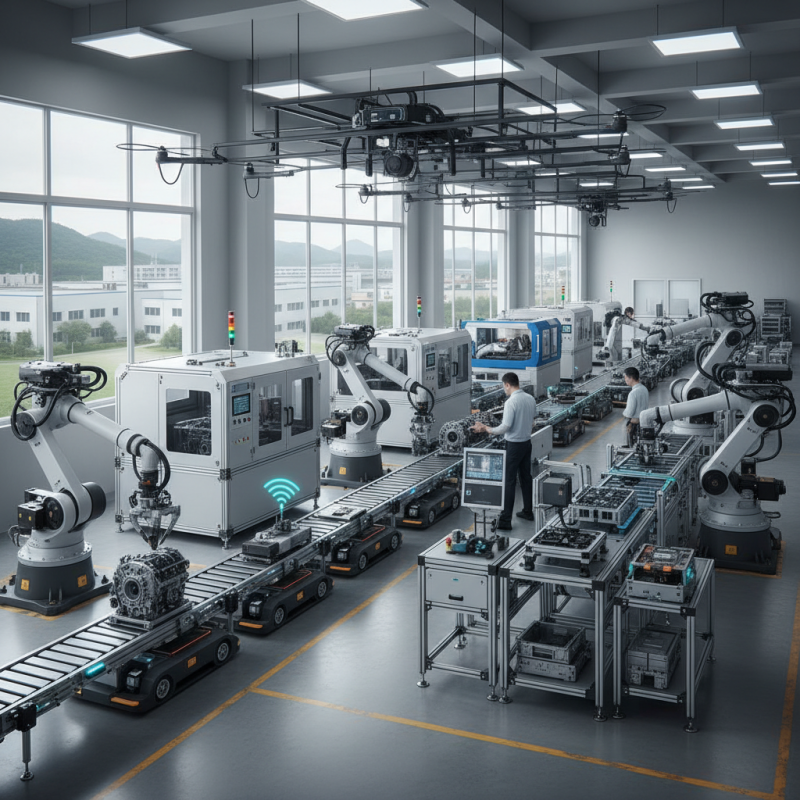
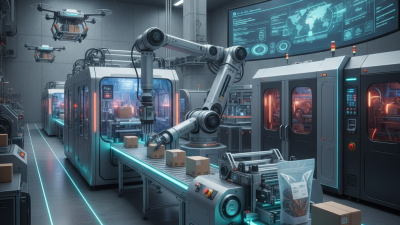
In the realm of machinery automation, trends are evolving rapidly. One significant trend is the integration of artificial intelligence. AI enhances decision-making and optimizes processes. With better data analysis, machines predict failures before they occur. This reduces downtime. However, companies often struggle to keep up with the technology. Proper training is essential but frequently overlooked.
Another noteworthy trend is the rise of collaborative robots, or cobots. These machines work alongside humans, increasing productivity without sacrificing safety. Factories are now designed for flexibility. This approach allows quick adjustments to production lines. But implementing such systems can be challenging. Workers may resist changes, fearing job loss or increased responsibilities.
Moreover, the Internet of Things (IoT) plays a crucial role in automation. Connecting machines provides real-time data for monitoring and maintenance. Insights gained can drive improvements. Yet, handling vast amounts of data can overwhelm teams. They may lack the skills to analyze it effectively. This gap must be addressed to unlock full potential.
| Solution | Key Features | Benefits | Efficiency Improvement (%) | Implementation Time (Weeks) |
|---|---|---|---|---|
| Automated Guided Vehicles (AGVs) | Autonomous navigation, load transport | Reduced labor costs, flexibility | 30% | 6 |
| Robotic Process Automation (RPA) | Software bots, rule-based operations | Increased speed, accuracy | 25% | 4 |
| Smart Sensors | Real-time data tracking, condition monitoring | Proactive maintenance, reduced downtime | 40% | 8 |
| IoT-Enabled Machinery | Connectivity, data analytics | Enhanced decision-making, operational efficiency | 35% | 10 |
| Predictive Maintenance Tools | Data-driven insights, AI algorithms | Minimized failures, reduced costs | 45% | 12 |
| Digital Twin Technology | Virtual modeling, simulation | Better design accuracy, risk mitigation | 50% | 14 |
| Collaborative Robots (Cobots) | Human-robot interaction, safety features | Scalability, ease of programming | 28% | 5 |
| Machine Learning for Quality Control | Pattern recognition, defect detection | Higher quality, lower rejection rates | 33% | 9 |
| Automated Inventory Management | RFID tagging, real-time tracking | Reduction in stockouts, accuracy | 27% | 7 |
| Cloud-Based Automation Solutions | Remote access, data storage | Flexibility, cost-effectiveness | 30% | 11 |
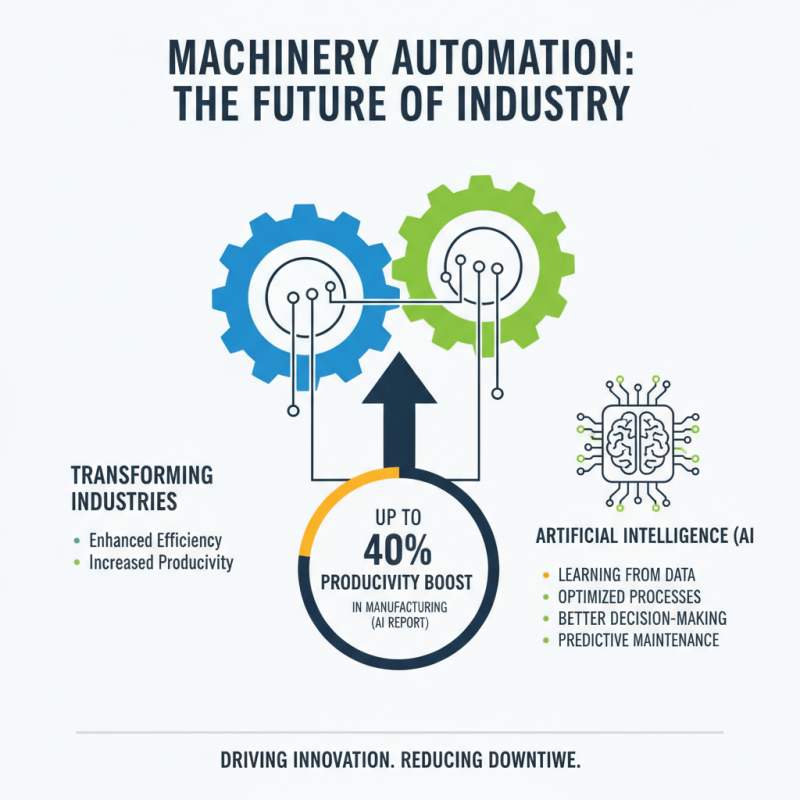
Machinery automation is transforming industries, enhancing efficiency and productivity. Key technologies are driving this change. Artificial intelligence (AI) is at the forefront, enabling machines to learn from data and optimize processes. A recent report found that AI could boost productivity by up to 40% in manufacturing settings. This technology allows for better decision-making and predictive maintenance, reducing downtime.
Robotics is another vital component. Advanced robotics can perform tasks ranging from assembly to inspection with precision. The International Federation of Robotics reported a 12% increase in robot utilization in 2021 alone, highlighting the rising demand for automation. However, challenges remain. Not all facilities can easily integrate these solutions. Sometimes, significant upfront investment is a barrier, and worker training is essential for smooth transitions.
Additionally, the Internet of Things (IoT) is crucial for connecting machinery. IoT devices collect valuable data, providing insights into operational efficiency. According to a study, 70% of manufacturers believe IoT will significantly enhance their productivity. Yet, data security concerns loom large. As operations become more connected, vulnerabilities increase, requiring constant attention to cybersecurity measures.
Machinery automation has transformed many industries, but not every implementation is flawless. A well-documented case shows that a manufacturing plant increased productivity by 30% after introducing automated machinery. However, initial planning overlooked integration issues. This led to downtime during the transition, costing the company significant time and resources. Proper integration is crucial.
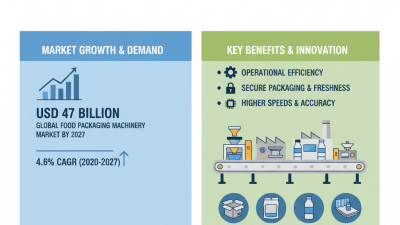
Another case indicated a food processing facility that achieved 25% waste reduction with automation. Yet, they faced challenges with employee retraining. Many workers felt uncertain about their roles post-automation. Research from industry reports suggests 40% of employees resist technology changes. Thus, companies must prioritize training alongside automation.
One striking example is a logistics firm that implemented automated sorting systems, improving order accuracy by 15%. Still, they grappled with maintenance complexities. Scheduled downtime for repairs affected service speed. According to equipment reports, up to 30% of automated systems can suffer from unexpected failures. Despite the benefits, companies must analyze these potential pitfalls before fully committing to automation.
Automation in machinery presents unique challenges. One significant hurdle is the integration of new systems with legacy equipment. According to a report from the International Federation of Robotics, about 25% of manufacturers struggle with outdated machinery. This can lead to inefficiencies and increased downtime. Companies often underestimate the time needed for proper integration. This oversight can result in stretched budgets and delayed production schedules.
Another challenge is the skill gap in the workforce. A study by Deloitte indicates that 2.4 million manufacturing jobs may go unfilled by 2028. This shortage can hinder companies from fully utilizing automation technologies. Training programs are often lacking or not aligned with current tech needs. Companies must invest in continuous training to bridge this gap. Part of this investment includes fostering a culture of adaptability among employees.
Data security is also a concern. As machinery becomes more interconnected, vulnerabilities increase. A report from Cybersecurity Ventures predicts that $6 trillion will be spent on cybercrime damages annually by 2021. Adopting robust cybersecurity measures is essential. Many firms are still playing catch-up in this area. It's vital for businesses to regularly assess their cybersecurity protocols and make necessary updates.
This chart represents the efficiency improvements observed in various machinery automation solutions over the last year. Each solution was evaluated based on its impact on productivity, cost savings, and operational efficiency.
The future of machinery automation is promising. It offers significant efficiency gains across various industries. Companies can expect increased productivity and reduced operational costs.
Automated solutions are transforming traditional workflows. But not every implementation goes smoothly. Challenges do arise.
Efficiency gains depend on accurate data. Collecting and analyzing performance data is essential. However, many businesses struggle with integration. It’s not uncommon for gaps to appear in the data chain. These gaps can lead to poor decision-making. Ensure that data protocols are well-defined to avoid issues.
Here are some tips for optimizing your automation strategy. First, focus on continuous training for your team. Adaptations are necessary as technologies change. Second, involve stakeholders in the planning phase. Their insights can highlight potential pitfalls. Lastly, regularly assess your automation systems for inefficiencies. This reflection can uncover hidden opportunities for improvement. Embrace the journey to automation while being mindful of its challenges.