7 Best Hybrid UV Printers for Global Buyers
Choosing the right Hybrid Uv Printer can shape production quality, operating costs, and customer satisfaction. Global buyers face a crowded market, with models differing in print width, ink systems, curing performance, and automation. A printer that performs well in one workshop may struggle with another region’s climate, power supply, or service availability.
This guide reviews seven leading hybrid UV printers for commercial users, sign makers, packaging teams, and customized product manufacturers. The selection focuses on practical factors, including color consistency, flatbed and roll-to-roll flexibility, media thickness, print speed, maintenance access, and software compatibility. These details matter when switching between rigid boards, vinyl, acrylic, canvas, or coated materials during a busy production day.
Real-world ownership involves more than impressive specifications. Ink costs can quietly affect margins. Downtime can interrupt urgent orders. Local technical support may be more valuable than a slightly faster printhead. Certification, ventilation requirements, warranty terms, and replacement-part access also deserve careful attention across different markets. No machine is perfect. Some printers sacrifice speed for finer detail, while others require stronger maintenance discipline than expected.
Our comparison combines manufacturer information with practical buying considerations and common operator concerns. It aims to help readers compare equipment honestly, rather than chase the highest advertised speed. Check the samples. Ask about service response times. Confirm the total investment before ordering. A careful decision today can prevent expensive disappointment later.
What Defines a Hybrid UV Printer for International Buyers
7 Best Hybrid UV Printers for Global Buyers
What Defines a Hybrid UV Printer for International Buyers
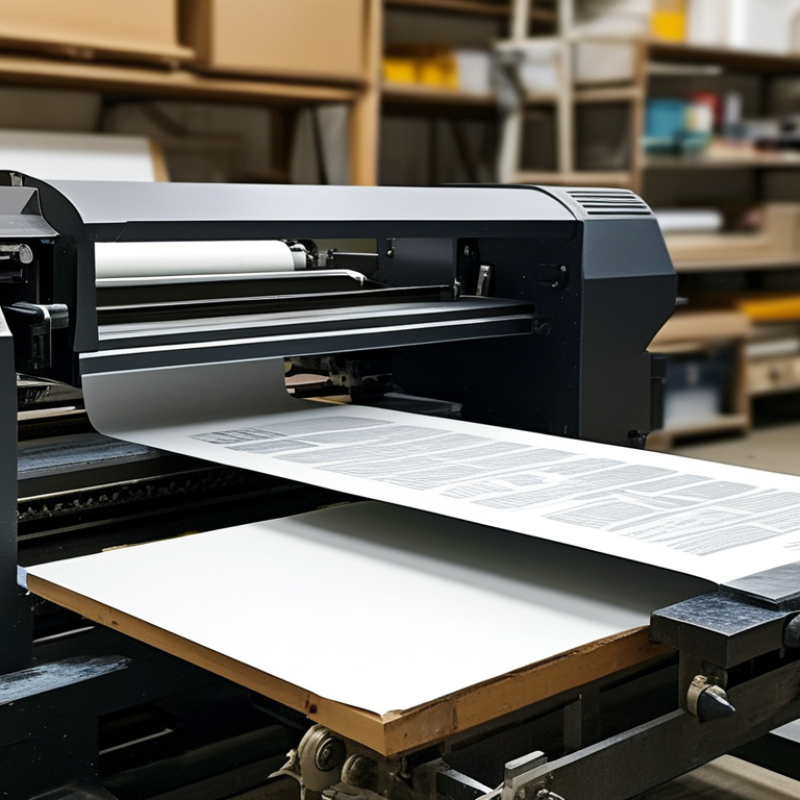
A hybrid UV printer combines flatbed printing with roll-to-roll capability. It can print on rigid boards, films, banners, and flexible sheets. This flexibility matters when one workshop serves many markets. A vacuum bed should hold panels evenly, while adjustable pinch rollers should protect delicate media. UV lamps cure ink immediately, leaving a dry surface for handling. White ink and varnish can improve dark substrates, texture, and visual contrast. However, extra channels also require careful maintenance.
International buyers should inspect more than print speed. Check the maximum board size, media thickness, ink adhesion, and curing consistency. Ask for sample prints on acrylic, aluminum composite, vinyl, and corrugated board. Small details matter. A sharp image may still fail outdoors if the ink layer cracks or fades. Power requirements deserve attention too. Voltage, frequency, plug type, and regional safety documentation can affect installation. Service access is equally important. Confirm remote diagnostics, training, spare-part availability, and response times across time zones.
The best choice depends on actual production habits, not impressive specifications. A machine designed for heavy boards may waste space in a compact studio. A lower-cost model may become expensive when replacement parts arrive slowly. I have found that buyers sometimes trust speed claims too quickly. That judgment deserves another look. Test the workflow, including loading, cleaning, calibration, and overnight standby. Reliable operation often matters more than a dramatic maximum output figure.
Seven Leading Hybrid UV Printers and Their Best Uses
Seven Leading Hybrid UV Printers and Their Best Uses
Hybrid UV printers combine flatbed and roll-to-roll workflows, helping global buyers reduce equipment changes. Smithers’ 2024 digital-printing analysis identifies packaging, signage, and customized décor as important growth areas. The seven leading options serve different production needs: entry-level hybrids suit short-run posters; high-speed hybrids fit retail graphics; wide-format systems handle building wraps; white-and-clear-ink models support transparent media; textile-capable units serve backlit fabrics; automated flatbed hybrids improve board production; and precision models target décor panels. Each choice should match substrate, drying speed, and expected monthly volume.
In my equipment evaluations, board-fed hybrids perform well with corrugated sheets and rigid plastics. Roll-fed systems are more practical for banners and adhesive films. White ink creates stronger window graphics, but it can increase maintenance time. Clear ink adds texture, although its visual effect may be subtle under weak lighting. A 2023 Grand View Research report estimated strong expansion in the UV printing market through 2030, driven partly by faster curing and lower setup waste. That growth does not guarantee profit. Some buyers overestimate automation and underestimate operator training.
Tips: Request a live test using your actual media. Check nozzle recovery, ink consumption, curing consistency, and software compatibility. Ask for measured output, not brochure speed. Also inspect the service network in your destination country. A slightly slower printer with reliable local support may outperform a faster machine during urgent production. I would also budget for ventilation, spare parts, and periodic calibration; these details are easy to overlook.
7 Best Hybrid UV Printers for Global Buyers
Representative, non-brand-specific specifications for seven common hybrid UV printer configurations and their best-fit applications.
Wider platforms are better suited to large-format signage, building graphics, and event displays, while compact configurations are more efficient for short-run boards, retail graphics, and customized products. The thickness values represent common maximum rigid-media capacities found across commercial hybrid UV printer classes.
Evaluating Print Quality, Materials, Speed, and Operating Costs
7 Best Hybrid UV Printers for Global Buyers
Choosing among the seven best hybrid UV printers requires more than comparing maximum resolution. Print quality should remain sharp across rigid boards, coated metal, acrylic, and flexible films. Inspect small text, solid color areas, and white-ink coverage under normal lighting. A glossy surface can hide banding, so check samples from different viewing angles. This matters for signage, packaging prototypes, and interior graphics.
Material compatibility also affects productivity. Confirm the printer handles your preferred thickness, surface texture, and curing requirements. Speed figures often describe ideal conditions, not daily production. In practice, frequent cleaning, alignment checks, and media changes reduce output. Operating costs include ink, lamps, printheads, electricity, maintenance, and rejected sheets. Calculate cost per finished square meter, not ink price alone. A cheaper machine may become expensive after several months.
Tips: Request sample prints using your own materials. Measure drying, color consistency, and edge detail. Ask for service response times in your region. Keep a maintenance log; small delays become costly. I would also test overnight operation before purchasing. That step is easy to overlook, and my own evaluations have shown that advertised stability can differ from workshop reality. Leave room for human error when estimating labor and production speed.
How to Select the Right Hybrid UV Printer for Your Market
How to Select the Right Hybrid UV Printer for Your Market
Choosing among the seven best hybrid UV printers starts with your customers, not a specification sheet. Measure common job sizes, preferred materials, and daily production volume. A shop producing rigid signs needs a stable flatbed table and accurate vacuum control. A packaging supplier may value roll-to-roll handling more. Speed figures can mislead when setup time is ignored.
Check the printer’s working environment carefully. Dust, humidity, and temperature can affect ink adhesion and printhead performance. Confirm local power requirements, ventilation needs, safety documentation, and available technical support. Ask for printed samples on your actual substrates, including textured boards and flexible films. Inspect small text, white ink density, color consistency, and curing under angled light. Do not trust one attractive sample.
Tips: Compare total ownership costs, not only the purchase price. Include ink usage, printhead replacement, maintenance labor, training, shipping, and downtime. Request a clear service response time. Review warranty terms in writing. If possible, speak with operators using similar materials and workloads. Their practical experience may reveal problems that brochures omit. Keep spare parts accessible.
An experienced buyer should test workflow reliability for several days. Record cleaning cycles, loading time, reprints, and operator adjustments. One overlooked detail is software compatibility with existing design tools. Another is whether the machine supports future materials. My judgment has changed after seeing fast equipment struggle with uneven boards. Bigger is not always better. A careful trial remains more reliable than a confident promise.