Best Flame Arrester Solutions for Safe Industrial Operations?
In industrial settings, safety is paramount. A critical component in achieving this is the Flame Arrester. This device plays a vital role in preventing explosive flames from propagating through pipelines and vents. By halting flames, it protects equipment and personnel from potential hazards.
Understanding the function and importance of a Flame Arrester is essential for safety engineers and plant operators alike. These devices are designed to withstand high-pressure environments and can be tailored for various applications. However, choosing the right solution requires expertise and careful consideration of unique operational contexts.
A common oversight is underestimating the importance of regular maintenance. Without proper upkeep, even the best Flame Arrester may fail. It is also crucial to select a model that matches the specific process conditions. Each industrial operation presents its own set of risks, making informed choices essential. The right Flame Arrester is not just a precaution; it’s a necessity for a truly safe industrial environment.
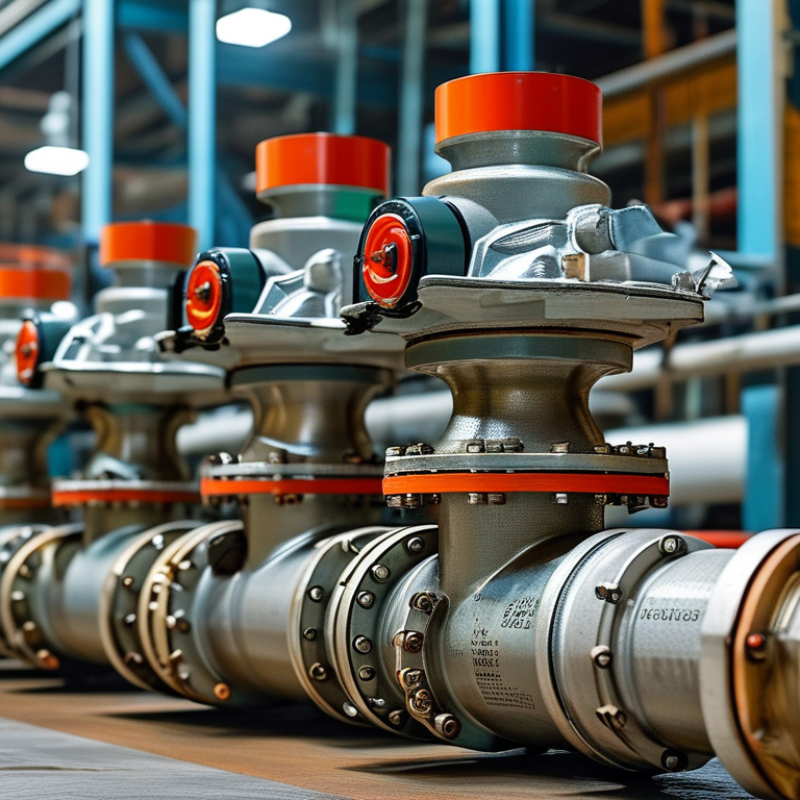
Best Flame Arrester Solutions for Safe Industrial Operations
Flame arresters are crucial for protecting industrial facilities. They prevent flames from traveling back into equipment and storage tanks, reducing the risk of explosions. These devices use various principles of operation, including cooling, quenching, and expansion. Effective design is vital for ensuring safety and compliance with industry standards.
Choosing the right flame arrester requires careful consideration of several factors. The material, size, and installation location can affect performance. A flame arrester must handle specific pressures and temperatures. Moreover, regular maintenance is necessary to ensure functionality. Neglecting maintenance can lead to failures during critical moments.
Training personnel in flame arrester operation is essential. Employees should understand how these devices work and their importance in safety protocols. However, relying solely on technology is not enough. Human error is always a possibility. This emphasizes the need for a robust safety culture within industrial operations. Regular drills and safety audits can help reinforce best practices.
Understanding the Role of Flame Arresters in Industrial Safety
Flame arresters play a critical role in industrial safety by preventing the propagation of flames in hazardous areas. According to a report by the National Fire Protection Association (NFPA), about 25% of industrial fires involve flammable gases or vapors. This underscores the necessity for reliable flame arresters in environments where ignition sources are present.
Using effective flame arresters can significantly reduce the risk of catastrophic incidents. They work by cooling the flame and disrupting its propagation. This technology is essential in industries such as oil and gas, chemical manufacturing, and food processing, where flammable materials are prevalent. The lack of proper flame arresters can lead to severe accidents and loss of life.
However, not all flame arresters are created equal. Many facilities overlook the importance of regular maintenance and appropriate selection. A study highlighted that 30% of industrial operations fail to install the correct type of arrester for their specific use case. This reveals a crucial area for improvement. Proper education and adherence to safety standards can help mitigate these risks. Regular audits and staff training ensure that safety measures are effective and compliant with regulations.
Types of Flame Arresters and Their Applications in Various Industries
Flame arresters play a critical role in various industrial sectors. These devices prevent flame propagation in systems handling flammable gases or vapors. In chemical manufacturing, for example, explosion risks are high. Proper installation of flame arresters can significantly reduce these hazards.
There are different types of flame arresters, including directional and non-directional models. Directional flame arresters are designed for venting applications. They allow pressure relief while blocking flames effectively. Non-directional flame arresters, on the other hand, protect storage tanks from external ignition sources. They help maintain safety in oil and gas industries.
However, relying solely on flame arresters isn't enough. Regular maintenance is essential to ensure their effectiveness. Inspection failures often lead to unsafe conditions. Training operators to recognize signs of wear can be invaluable. Addressing these issues can enhance overall safety and compliance in operations.
Key Factors to Consider When Selecting a Flame Arrester
When selecting a flame arrester, multiple factors demand attention. The design and construction material play a critical role. For instance, stainless steel offers durability, while aluminum is lighter. The choice depends on the application. Environmental conditions are also essential. For outdoor operations, resistance to UV rays and extreme temperatures is vital.
Another crucial aspect is the operational pressure and flow rate. It determines the arrester type required. A simple error in calculation can lead to significant safety risks. Regular inspections are necessary to identify wear and tear. Often, users overlook this aspect until it’s too late.
Installation procedures should not be ignored. Improper placement can hinder performance. Each facility has unique requirements that require tailored solutions. Operators often wrestle with balancing cost and quality. It’s a delicate dance where one misstep could jeopardize safety.
Installation and Maintenance Best Practices for Flame Arresters
When installing flame arresters, understanding the environment is crucial. Assess the location for potential ignition sources, as they can impact safety. Correct sizing is essential; an undersized arrester may fail. Regular inspections must be scheduled to ensure optimal performance.
Maintenance is often overlooked but is vital for reliability. Keep the arrester clean and unobstructed. Periodic testing should be done to verify its effectiveness. Document maintenance activities thoroughly. This promotes accountability and identifies patterns that could indicate issues.
Training personnel on the importance of flame arresters can enhance safety culture. Engage your team in discussions about best practices and potential problems. Regularly review operational procedures to ensure everyone understands their role. Over time, these steps will build a more robust safety framework.
Conclusion
Flame arresters play a crucial role in ensuring industrial safety by preventing the propagation of flames from one area to another. These devices are essential in various industries, acting as a protective barrier in systems that handle flammable gases or vapors. Understanding the types of flame arresters available and their specific applications is key for industries that prioritize safety.
When selecting a flame arrester, several factors must be considered, including the environment, the nature of the substances involved, and regulatory compliance. Proper installation and regular maintenance are also critical to the effective performance of flame arresters. Adhering to relevant regulatory standards ensures that industrial operations remain safe and reliable, minimizing risks associated with potential fire hazards.