What is the Best Cast Nylon Pipe for Your Project?
When embarking on a project that requires durable piping, the choice of materials is vital. Cast Nylon Pipe stands out due to its strength and versatility. This material offers excellent wear resistance and flexibility, making it suitable for various applications. Whether for industrial use or advanced engineering projects, selecting the right Cast Nylon Pipe is key to efficiency.
Understanding the specific requirements of your project is crucial. Not all Cast Nylon Pipes are created equal. Differences in formulation and design can significantly impact performance. Consider factors like temperature range, pressure tolerance, and chemical compatibility when making your decision. Experts often emphasize the importance of consulting with suppliers to ensure the right fit.
The right Cast Nylon Pipe can enhance the longevity and effectiveness of your project. However, one must be aware that not every option will meet your needs perfectly. Some pipes may excel in one area but falter in another. This could lead to unexpected challenges down the road. Careful evaluation and expert advice can mitigate these risks, ensuring a successful outcome.
Understanding Cast Nylon Pipes and Their Applications
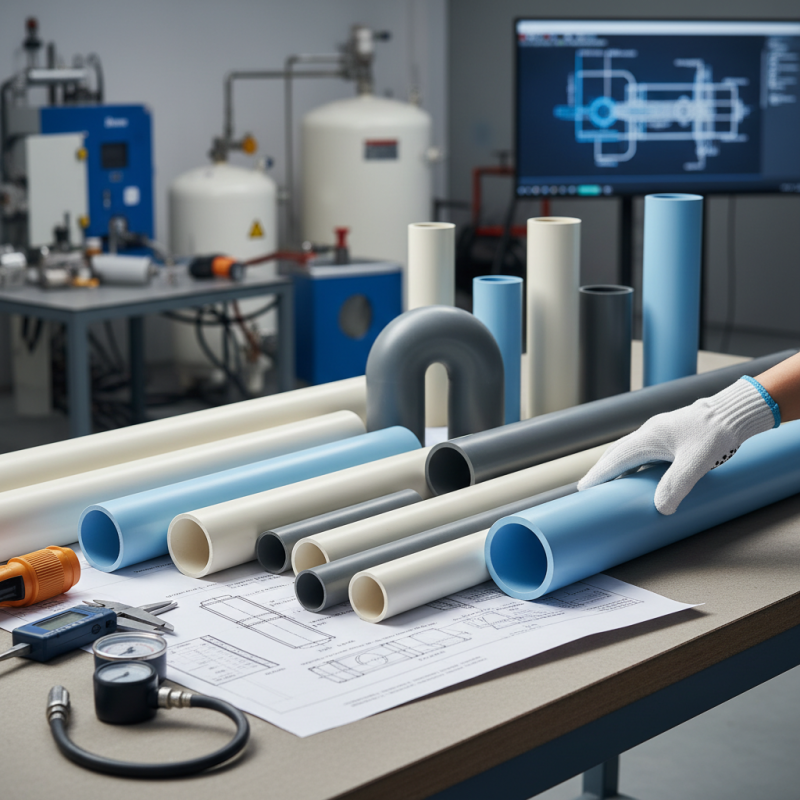
Cast nylon pipes are increasingly popular in various industries due to their unique properties. These pipes, made from solid nylon material, offer excellent strength and resistance to wear. They can withstand harsh conditions, making them ideal for applications in construction, manufacturing, and fluid transfer systems. Cast nylon pipes also provide low friction, which enhances efficiency in transporting materials.
When considering their applications, it's essential to understand that not all projects demand the same specifications. The diameter, length, and type of reinforcement needed can vary greatly. Some projects may require flexibility, while others demand rigidity. Thoroughly evaluating the project requirements is essential. Additionally, environmental factors, like temperature and exposure to chemicals, must be assessed. This careful analysis helps ensure you select the right cast nylon pipe.
However, choosing the wrong type can lead to inefficiencies. For instance, opting for a pipe that cannot endure high pressure may result in leaks. This not only affects performance but can incur extra costs for repairs. Understanding your project's unique needs is crucial. A detailed inquiry into material properties and compatibility with existing systems can lead to better project outcomes.
Key Factors to Consider When Selecting Cast Nylon Pipes
When selecting the best cast nylon pipe for your project, several key factors come into play. First, consider the application. Different projects demand specific material properties. Assess the load and environmental conditions. Temperature and humidity can affect performance. The right choice can prevent future issues.
Next, think about the pipe dimensions. Inner and outer diameter matters greatly. A poor fit can lead to leaks or inefficiencies. Measure your requirements carefully. Tolerance levels are crucial too. Too tight or too loose can compromise the system.
Another aspect is the manufacturing method. Cast nylon has distinct qualities compared to extruded alternatives. Understanding these differences helps in making an informed decision. Consult with professionals if necessary. They can provide valuable insights. Take time to reflect on your options. Each project is unique, and the perfect pipe must align with specific needs.
Comparison of Cast Nylon Pipe Properties
This bar chart illustrates the comparison of key properties of different types of cast nylon pipes including tensile strength, thermal resistance, and chemical resistance. The data reflects performance metrics critical for selecting the best cast nylon pipe for various applications.
Comparing Different Grades of Cast Nylon for Pipe Fabrication
Selecting the right cast nylon pipe for fabrication is crucial for various industrial applications. Different grades of cast nylon offer distinct advantages. Grade 6 nylon, for example, provides high-strength characteristics and excellent abrasion resistance. In contrast, Grade 66 nylon boasts superior impact resistance and thermal stability. These differences can play a significant role in performance and longevity under varying conditions.
Industry reports suggest that using specialized grades can enhance operational efficiency. Research indicates that cast nylon pipes can handle temperatures up to 200°F without significant deformation. Additionally, the moisture absorption rate varies by grade, impacting performance in humid environments. Grade 6 typically absorbs more water, while Grade 66 exhibits lower absorption rates, making it suitable for precision applications.
Evaluating these grades reveals some challenges; for instance, the cost of higher-grade materials may not justify their benefits in low-stress applications. Engineers often face the dilemma of selecting a grade that balances performance and cost. The decision requires a clear understanding of project demands and environmental factors. This reflective approach can guide better material choices for lasting results.
Advantages of Using Cast Nylon Pipes in Industrial Projects
Cast nylon pipes have become a preferred choice in various industrial applications. Their robust construction offers superior resistance to abrasion and impact. This means they can handle demanding environments without significant wear. Projects that involve transporting chemicals or heavy materials greatly benefit from using these pipes.
The low friction properties of cast nylon enhance fluid flow, making it more efficient. This efficiency can result in energy savings, an important consideration for many industrial projects. Additionally, cast nylon pipes are lightweight. This feature simplifies handling and installation, reducing labor costs. However, it is crucial to consider the specific needs of your application carefully. Not all cast nylon pipes are equal, and selecting the right type is essential for optimal performance.
Another aspect to think about is maintenance. While cast nylon is resistant to many chemicals, it is not impervious to all. Some users may experience challenges with UV exposure over time. Regular inspections and a proactive maintenance plan can mitigate long-term issues. We must acknowledge that while cast nylon pipes offer many advantages, understanding their limitations is equally important for project success.
Common Challenges and Solutions When Working with Cast Nylon Pipes
When working with cast nylon pipes, challenges can arise. One common issue is inadequate machining. The surface finish may not meet the required specifications, leading to poor fit when assembling components. To improve outcomes, carefully match your machining process to the material properties of cast nylon. This can help achieve the right dimensions and smooth surfaces.
Another challenge is the susceptibility of cast nylon to moisture absorption. This can impact the material's physical properties over time. It’s essential to store and handle these pipes in a controlled environment. Use protective coatings if necessary. This simple measure can enhance durability and performance.
**Tips:** Maintain optimal storage conditions. Use moisture barrier wraps if needed. Regularly check for signs of wear or damage. This will help ensure the longevity of your cast nylon pipes. Always plan for potential issues during your project to avoid costly setbacks.
What is the Best Cast Nylon Pipe for Your Project? - Common Challenges and Solutions When Working with Cast Nylon Pipes
| Project Type | Common Challenges | Solutions | Recommended Pipe Grade |
| Water Treatment | Corrosion Resistance | Use a UV-stabilized grade | Nylon 6 |
| Chemical Processing | Chemical Compatibility | Select a specially formulated grade | Nylon 66 |
| Pneumatic Systems | Pressure Resistance | Use pipes with reinforced structure | Glass-Filled Nylon |
| Food Processing | Hygiene Standards | Select FDA-approved materials | HDPE Cast Nylon |