Top Benefits of Using Smc Moulding Press for Global Buyers?
In today's manufacturing landscape, the Smc Moulding Press has emerged as a game-changer for global buyers. This innovative technology offers numerous advantages that enhance production efficiency and product quality. By utilizing the Smc Moulding Press, companies can achieve superior mold precision and reduce material waste. This leads to a significant decrease in operational costs over time.
The Smc Moulding Press is not just about efficiency. Its versatility allows manufacturers to create a wide range of products, from automotive parts to household items. Buyers appreciate the ability to customize their orders according to specific needs. This flexibility can lead to better market adoption and increased sales.
However, adopting the Smc Moulding Press is not without its challenges. Some organizations may face a learning curve or initial investment hurdles. It is essential to weigh these factors against the long-term benefits. Keen buyers will find that the potential for innovation and cost savings often outweighs these initial obstacles. Ultimately, the Smc Moulding Press is a powerful asset for those willing to embrace its capabilities.
Overview of SMC Moulding Press and Its Applications
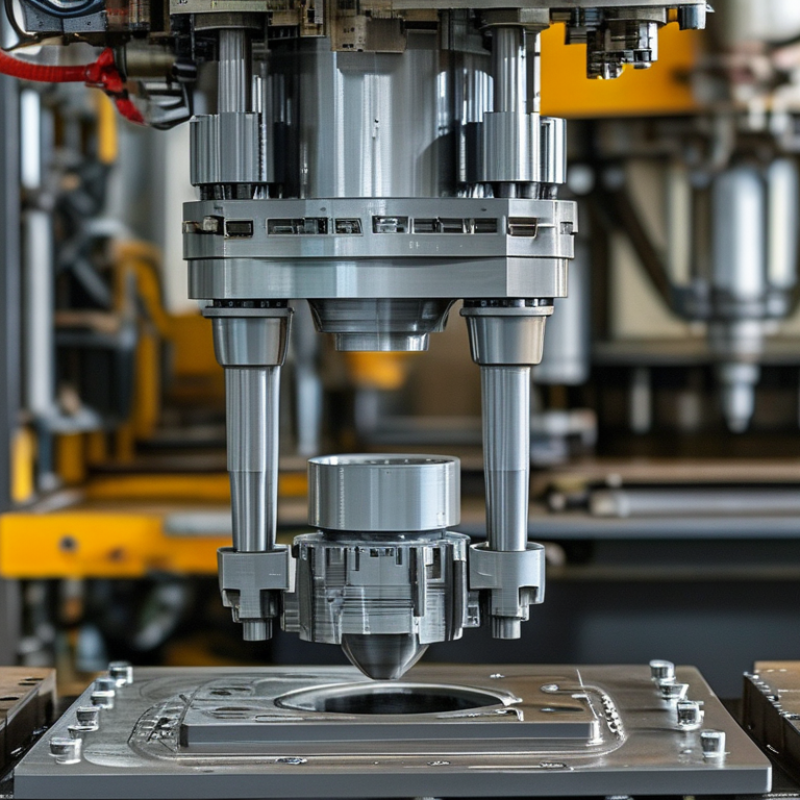
SMC moulding presses play a crucial role in the manufacturing industry. They are used to produce composite parts through a process called Sheet Molding Compound (SMC) technology. This method is efficient, producing strong and lightweight components. Industries such as automotive, aerospace, and construction benefit significantly from these presses. They create complex shapes and maintain high quality.
Applications of SMC moulding presses are vast. These machines can produce everything from car parts to electrical boxes. The versatility makes them a favorable choice for global buyers. They offer cost-effective solutions, but there are challenges. Overheating can lead to defects in the molded parts. It’s essential for operators to monitor temperatures and pressures closely. Neglecting this can result in wasted materials and resources.
Investing in technology for SMC moulding can enhance production rates. However, it requires skilled technicians to operate effectively. Not all buyers may have access to such expertise. This gap can impact the overall efficiency of production lines. Buyers need to weigh the benefits against potential drawbacks. Balancing these aspects is crucial for a successful operation.
Advantages of SMC Moulding Press for Global Buyers
SMC moulding presses are increasingly popular among global buyers. These machines provide various advantages that enhance manufacturing efficiency. One notable benefit is their ability to produce complex shapes with precision. This capability reduces waste in materials and saves on costs. Buyers appreciate the flexibility in design this technology offers.
The energy efficiency of SMC moulding presses is another key advantage. They consume less power compared to traditional methods. This not only lowers operational expenses but also appeals to environmentally conscious buyers. Additionally, these presses require minimal maintenance. This means less downtime and more productivity over time.
Despite these benefits, potential users should consider the initial investment required. It can be substantial, which might deter some buyers. Understanding the long-term savings and efficiency gains is essential for making informed decisions. Exploring options and assessing specific needs will be crucial before adopting this technology.
Cost Efficiency and Reduced Production Time
Using SMC moulding presses can significantly reduce production time and cost for global buyers. These presses offer a faster processing cycle due to their efficient design. By optimizing the material flow, they minimize delays in production. Consequently, manufacturers can meet tighter deadlines and foster better customer relationships.
When investing in SMC technology, consider maintenance. Regular upkeep ensures the press operates optimally. A neglected machine may lead to unplanned downtime. This can extend production timelines and inflate costs, negating the benefits of using advanced moulding presses. Implementing a rigorous maintenance schedule can avert these issues.
Production runs more smoothly when using automated systems with SMC presses. Automation reduces human error and streamlines operations. Still, it's critical to train staff effectively. Undertrained employees can hinder production efficiency. Regular training sessions keep the staff updated on the latest techniques and processes. This focus on education can lead to better resource management and further cost efficiencies.
Top Benefits of Using Smc Moulding Press for Global Buyers
| Benefit | Description | Importance | Estimated Savings |
| Cost Efficiency | Lower operational costs due to minimal waste and efficient production. | High | Up to 30% savings in material costs. |
| Reduced Production Time | Faster cycle times lead to increased output per hour. | High | 10-20% increase in production capacity. |
| Versatility | Ability to produce various shapes and sizes efficiently. | Medium | Adaptable to different product types without major retooling. |
| Consistency in Quality | Uniform production standards ensure high-quality output. | High | Reduces defects, saving costs on rework. |
| Eco-Friendly Production | Lower energy consumption and waste generation. | Medium | Contributes to sustainability goals, attracting eco-conscious buyers. |
Enhanced Product Quality and Consistency
The use of SMC (Sheet Molding Compound) moulding press technology has dramatically improved product quality across various industries. This method allows for the creation of highly durable and aesthetically pleasing components. A recent industry report noted that manufacturers using SMC presses experienced a 30% decrease in defects, leading to less waste and lower costs. Buyers benefit significantly from reduced defect rates, enhancing their market competitiveness.
Achieving consistency in manufacturing is critical. SMC moulding presses provide uniform pressure and temperature, ensuring that every part comes out reliably. Research shows that 85% of users report improved product consistency after adopting this technology. This consistency translates into stronger relationships with clients who demand quality assurance. However, one must remain aware of the initial investment costs associated with these machines, which can be substantial.
Moreover, while SMC technology is advantageous, some manufacturers may grapple with adapting their processes. Transitioning to SMC requires training and a shift in operational mindset. Industry professionals often cite a learning curve that can temporarily disrupt production. Balancing these challenges against the long-term benefits is crucial for maximizing ROI. Despite these hurdles, the overall gains in quality and efficiency make SMC moulding presses a worthwhile consideration for global buyers.
Top Benefits of Using Smc Moulding Press for Global Buyers
Environmental Impact and Sustainability Benefits of SMC Presses
The use of SMC (Sheet Molding Compound) presses presents significant environmental advantages. These machines contribute to a more sustainable manufacturing process. They reduce waste compared to traditional methods. Utilizing SMC can lead to a decrease in materials consumed, which can help minimize the environmental footprint of production.
SMC production involves less energy compared to other molding techniques. This helps in lowering greenhouse gas emissions. Additionally, SMC materials can be fully recycled and reused, enhancing circular economy efforts. Adopting SMC presses is not without challenges. Transitioning to this technology demands upfront investment and training. Manufacturers must acknowledge these hurdles while evaluating their long-term benefits.
Furthermore, the efficiency of SMC presses can vary based on usage. If not optimized, they may produce excess scrap material at times. It’s crucial to continuously monitor and improve these processes. Embracing this technology requires commitment. However, the potential for a positive impact on both the environment and product efficiency is substantial. SMC presses offer a promising path to sustainable manufacturing.